Hidden Clues in Dust: What Your Home Is Telling You
Dust mites sound tiny and harmless, but they can make your home feel miserable. These little bugs love soft surfaces and feed on dead skin cells inside dust. In Central Texas, with our warm, humid conditions and long pollen seasons, dust mites feel right at home.
If you are constantly dusting, sneezing, or smelling a musty odor, the problem may not be your cleaning habits. Your HVAC system and plumbing can quietly add moisture and pull in more dust, which gives dust mites exactly what they want. When we fix comfort systems, we often see allergy problems improve, even before people buy special sprays or fancy gadgets.
So if you are tired of red eyes, stuffy noses, and dusty furniture, it may be time to look behind the scenes at the air and water systems in your house.
How Dust Mites Expose HVAC Trouble Spots
When your HVAC system is not working properly, dust and dust mites spread throughout the whole home. Common issues include:
- Weak or dirty air filters that do not catch small particles
- Undersized or clogged return vents that cannot pull enough air
- Dusty or damaged ductwork that blows buildup back into rooms
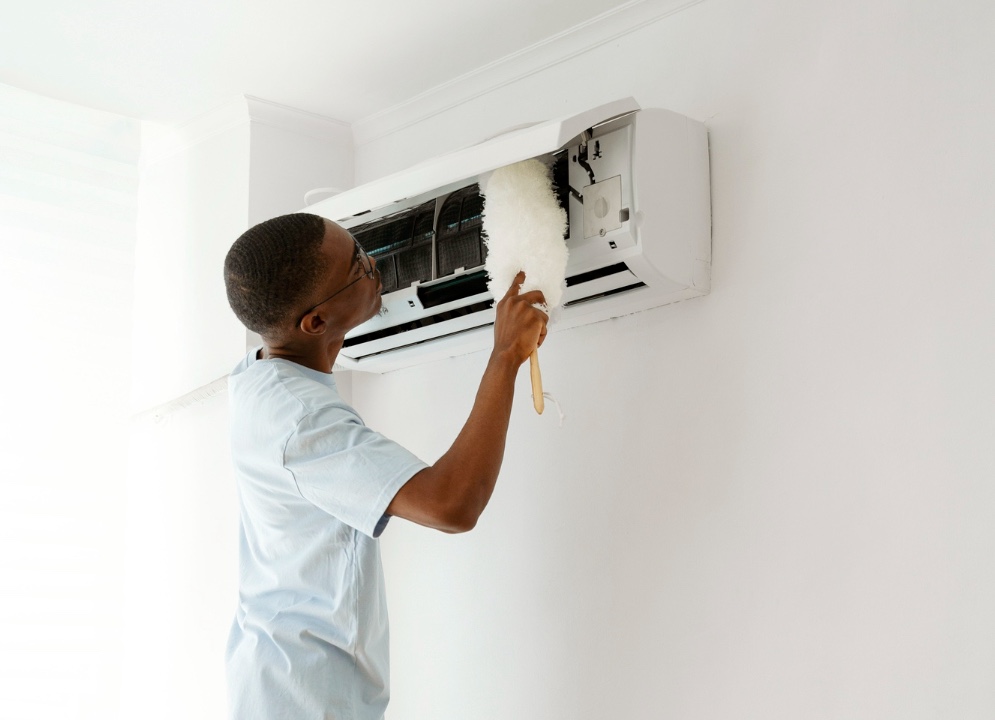
All that dust settles on shelves, ceiling fans, blinds, and bedding. You clean, it looks better for a day, then it all comes back. That is a big sign that your HVAC system needs attention.
Humidity control is another piece of the puzzle. If your AC is oversized, short-cycling, or the equipment is aging, it may cool the air without drying it. Indoor air that stays damp feels sticky and helps dust mites grow. Without good humidity control or a whole-home solution, it is very hard to get long-term relief.
Spring in the San Marcos, Austin, and San Antonio corridor adds a double hit. Outdoor pollen levels are high, and if you have leaky ductwork or weak filters, more of it can enter your home. The result is:
- More dust is collecting on surfaces
- More food and moisture for dust mites
- Worse allergy symptoms, especially when the AC runs a lot
Regular system care and better filtration on your HVAC equipment, as you can learn more about on our services page, can reduce the amount of particles floating in your air.
Plumbing Leaks and Moisture That Feed Dust Mites
Dust mites do not just care about dust; they love moisture. Small plumbing issues can raise indoor humidity even when your AC runs well. Trouble spots often include:
- Tiny leaks under sinks or behind walls
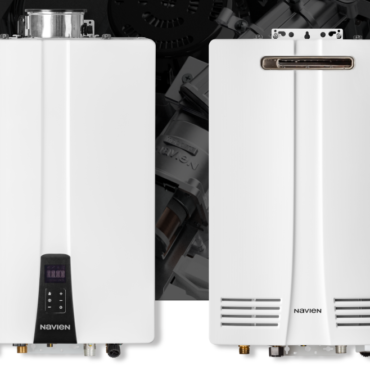
- Slow drips or rust around water heaters
- Slab leaks under the floor
- Condensation on pipes, especially near bathrooms and laundry areas
You might notice slow drains, running toilets, or a faint musty odor in a cabinet. Even if the leak appears minor, persistent moisture in one area can spread damp air throughout the home. That extra humidity feeds dust mites and can also support mold and mildew.
If dust keeps coming back and certain rooms feel damp or smell earthy, the plumbing system may need attention just as much as the HVAC system. Long-term relief from dust mites usually takes both air and water control at the same time, such as:
- Repairing leaks and replacing damaged fixtures
- Improving drainage around tubs, showers, and sinks
- Making sure the kitchen, bathroom, and laundry areas vent correctly
When the air stays drier and surfaces stay dry, dust mites have a much harder time surviving.
Practical Steps for Eliminating Dust Mites at Home
There are some basic habits that help lower dust mites in any home:
- Wash bedding in hot water on a regular schedule
- Use dust-mite-proof covers on pillows and mattresses
- Reduce clutter that collects dust on shelves and floors
- Vacuum with a HEPA filter and empty the canister outside
- Limit heavy fabric curtains and old carpets if possible
These steps are helpful, but they work best when your HVAC system supports them. Professional services can:
- Upgrade you to better MERV filters that match your system
- Seal, repair, or clean ducts to keep dust from cycling through
- Tune up equipment so it runs longer, steadier cycles
- Add humidity control solutions where needed
Plumbing work matters here too. Fixing dripping faucets and running toilets, repairing hidden leaks, and servicing water softeners or other water equipment can bring indoor moisture back into a healthy range. In high-moisture rooms like bathrooms, kitchens, and laundry areas, proper ventilation and plumbing care go hand in hand.
If you want to coordinate HVAC and plumbing help at once, you can use the online form on our schedule page to set up a visit that looks at both.
When to Call the Pros for Stubborn Dust Issues
Some warning signs tell you there is more going on than simple dusting can fix. For HVAC issues, watch for:
- Dust on surfaces just a day or two after cleaning
- Hot and cold spots between rooms
- Musty or sour smells coming from supply vents
- Noisy equipment or systems that run almost nonstop
On the plumbing side, watch for:
- Mold or mildew around tubs, showers, and toilets
- Warped flooring, soft spots, or peeling paint
- Damp odors in closets or under-sink cabinets
- Water stains on ceilings or walls
- A water bill that suddenly jumps up
When these problems occur together, it often means both the air and water systems are feeding the dust mite problem. A coordinated HVAC and plumbing inspection can uncover the real source, put together a clear plan, and help you get ahead of peak summer humidity before it hits.
FAQs About Dust Mites, HVAC, and Plumbing
How Do I Know If Dust Mites Are a Problem in My Home?
Common signs include more sneezing indoors, itchy or watery eyes, a stuffy nose, and more dust on surfaces. Many people notice they feel better when they are away from home. A professional can check airflow, humidity, and possible moisture issues that may be feeding dust mites.
Can Eliminating Dust Mites Be Done without Changing My HVAC System?
Basic cleaning, washing bedding, and using covers can help, but they only go so far. Often, small HVAC adjustments like better filters, sealing ducts, or improving humidity control are needed for lasting relief, not always full system replacement.
How Does Indoor Humidity Affect Dust Mites?
Dust mites thrive when indoor humidity is high, often above the middle range most people find comfortable. Well-maintained AC equipment, dehumidifiers, and leak repairs can reduce indoor moisture and lower dust mite populations.
Will Duct Cleaning Help with Dust Mites?
Duct cleaning can reduce dust buildup in the ductwork and improve airflow. It works best when paired with better filtration and regular maintenance. A professional assessment can tell you whether duct cleaning, duct sealing, or filter upgrades should come first.
What Plumbing Issues Most Often Contribute to Dust Mites?
Slow, hidden leaks under sinks, behind walls, or near water heaters are common. Drips around showers or tubs and constant running toilets also add moisture. All of these raise indoor humidity, creating a better environment for dust mites and mold.
How Often Should I Replace My HVAC Air Filters to Control Dust?
Most homes need filter changes every 1 to 3 months, sometimes more often during heavy AC use or during peak allergy season in Central Texas. The right schedule depends on your system, pets, and lifestyle, so it helps to get guidance based on your specific setup.
Are Whole-Home Dehumidifiers Worth It for Eliminating Dust Mites?
Whole-home dehumidifiers work with your existing HVAC system to keep humidity in a more comfortable range throughout the house. They are especially helpful in humid climates or in homes that still feel damp even after plumbing repairs and regular AC use.
When Should I Call Woods Comfort Systems Instead of Trying DIY Fixes?
It is time to get help when dust and allergy symptoms keep coming back, when you see signs of leaks or mold, or when energy bills and indoor humidity seem too high. Because we handle both HVAC and plumbing, we can take a holistic approach and suggest solutions that target dust mites at their source.
Breathe Easier at Home with Targeted Indoor Air Solutions
If you are ready to cut down allergens and improve your indoor air quality, we are here to help. Our technicians can assess your home and recommend the best strategies for eliminating dust mites and other irritants. Reach out to Woods Comfort Systems today to schedule a visit, ask questions about your options, or simply get started.
Whether you require installation, repair, or maintenance, our technicians will assist you with top-quality service at any time of the day or night. Take comfort in knowing your indoor air quality is the best it can be with MOE heating & cooling services Ontario's solution for heating, air conditioning, and ventilation that’s cooler than the rest.
Contact us to schedule a visit. Our qualified team of technicians, are always ready to help you and guide you for heating and cooling issues. Weather you want to replace an old furnace or install a brand new air conditioner, we are here to help you. Our main office is at Kitchener but we can service most of Ontario's cities
Source link