It’s been One Big, Tumultuous Year in HVACR, and the challenges and changes the industry faced in 2025 have set the stage for the year ahead.
The transition to A2L equipment, and the related shortage of aftermarket R-454B, were at the top of the list, but tariffs, inflation, and political wins and losses also shaped the industry this year.
Leaders at industry organizations recommend that contractors stay focused and informed and employ available tools, such as artificial intelligence (AI), training opportunities, data analysis, and partnerships within the channel, to guide their businesses through the coming year.
“The HVACR industry is entering a year of recalibration shaped by workforce gains, regulatory uncertainty, and evolving technologies,” said Kate Wessels, vice president of communications, marketing, and partnerships at ACCA. “The R-454B transition will drive stronger demand for technician training and clearer guidance on system compatibility, while tariff pressures and supply chain challenges will push contractors toward smarter procurement and more transparent customer communication.”
“We expect to see a rebound from where we are now, and our content and training initiatives are being designed to help members take advantage of that growth potential and capitalize on the opportunities we see ahead,” said Talbot Gee, CEO of Heating, Air-conditioning & Refrigeration Distributors International (HARDI).
Sizing Up 2025
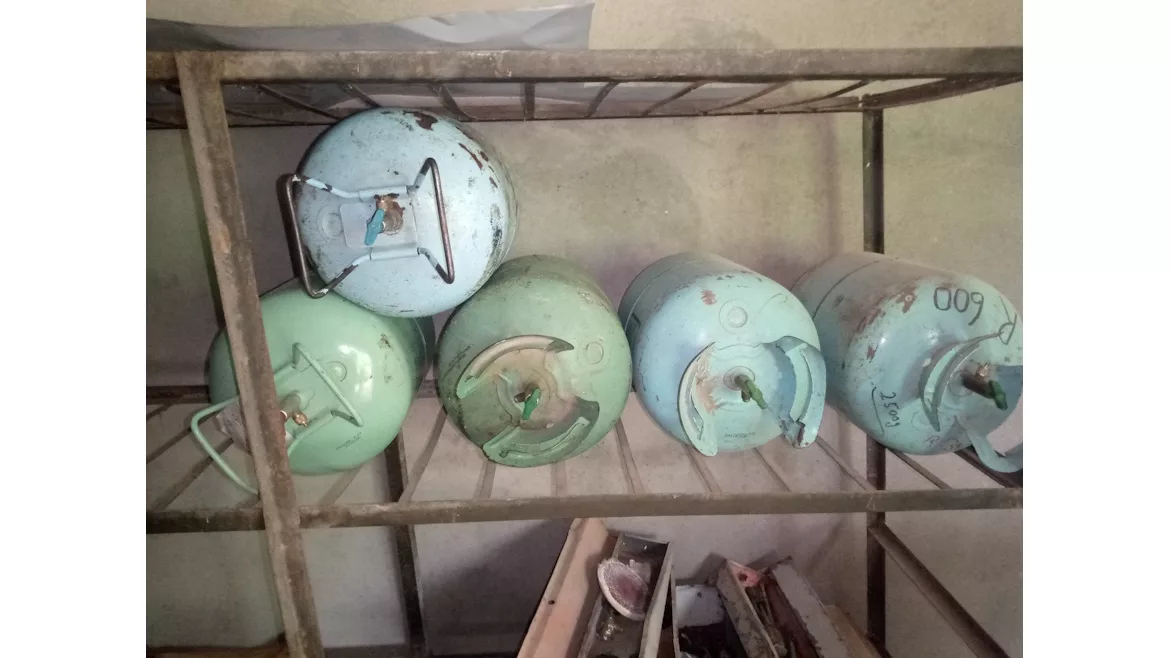
The shortage of aftermarket R-454B, an A2L refrigerant used in the residential heat pump and a/c systems made by most domestic manufacturers, was “the summer headliner,” Wessels said. Industry organizations, manufacturers, and individual contractors took steps to mitigate the crisis.
“Given time and industry-led solutions over the year, the pressure on the A2L market receded and has been stabilizing,” said Cindy Sheridan, CEO at Plumbing-Heating–Cooling Contractors-National Association.
Looking for quick answers on air conditioning, heating and refrigeration topics?
Try Ask ACHR NEWS, our new smart AI search tool.
Ask ACHR NEWS
But, according to Gee, “there’s still plenty of work to be done to manage it smoothly.” Gee said the shortage highlighted “clear deficiencies in demand forecasting” and in the ability to track product movement.
“The past year underscored just how fragile our supply chain continues to be, culminating in the R-454B crisis,” Gee said. At HARDI, the crisis “reinforced the importance of helping the industry smooth out the boom-and-bust cycles” by advocating for better forecasting and by “encouraging manufacturers to think differently about how they supply products to the channel,” he added.
Tariffs on foreign-made components and finished equipment, and inflation in general, also complicated the picture this year.
“Tariffs have impacted pricing and lead times across the supply chain,” Wessels said. “Contractors — especially smaller firms — have faced tighter margins and have had to absorb or pass along cost increases to customers.”
Rising prices have highlighted the importance of financing programs, Gee said.
“Sustained and significant price increases since 2020 have made it clear that the industry needs to take financing seriously as a strategic tool for contractor success,” he said. “Encouraging greater adoption and utilization of financing programs can help both contractors and homeowners navigate affordability challenges, and the distributors need to be drivers making this happen.” Wessels likewise said ACCA has encouraged members to suggest financing to customers, as well as to offer preventive maintenance programs instead of system replacements.
The One Big, Beautiful Bill Act (OBBBA), the year’s major Republican federal legislation, cancels some energy-efficiency tax incentives after this year, which could reduce demand for certain products. But it included some gains for the industry, including allowing 529 college tuition savings programs to be used for skilled trades training, and creating a Workforce Pell Grant program for short-term training.
“For ACCA, workforce is the No. 1 issue facing contractors today, so expanding access to credentialing and training to help expand the workforce is a major win,” Wessels said.
The OBBBA also restored bonus depreciation for qualified business assets, which was to have been phased out, made permanent the deduction for qualified business income from pass-through entities, and raised the estate tax exemption to $15 million per person. Sheridan said these provisions will be particularly helpful for small businesses with lower sales volumes and profit margins.
The November decision by the U.S. Court of Appeals for the D.C. Circuit that upheld the planned U.S. Department of Energy (DOE) phaseout of noncondensing furnaces was seen as a political setback for the industry. The phaseout means the manufacture of furnaces with an Annual Fuel Utilization Efficiency (AFUE) of less than 95% will be banned after late 2028.
“This recent decision is something that should be watched because it’s an example of fuel and technology choice restrictions that are popping up across the country,” said Wessels. “Reversing the ban on non-condensing furnaces is a top policy priority for ACCA in 2025-26 as part of our broader commitment to protecting fuel and technology choice.”
State and local efforts to limit the use of certain fuels, particularly natural gas, also continue to be a concern for the industry. Sheridan, however, said he sees “more openness to keeping fossil fuels, especially natural gas, as part of the energy mix.”
Navigating 2026
Sheridan expressed cautious optimism about the industry’s prospects for 2026, and Gee said HARDI’s early analysis finds reasons for optimism as well.
“Heat pump sales will continue to grow in certain markets, with gas heating and water-heating products remaining highly relevant,” Sheridan said. “If interest rates remain in check or decline and pressure from tariffs decreases, market opportunities should increase.” But uncertainties around prices and tariffs, the availability of labor, and the regulatory picture call for a conservative approach to budgeting, she added.
HVACR companies will have to stay on top of their game in 2026, Wessels, Gee, and Sheridan said.
“Margin and cost pressures are likely to remain elevated. That makes talent development more critical than ever,” Gee said. “Rather than pulling back when things get tough, companies that focus on recruiting, retaining, and developing the right people will be best positioned to execute and succeed going forward.” Improving sales strategies and customer service, and using financing options, will help contractors stay competitive, he added.
Staying informed, keeping in touch with strategic industry partners, and taking advantage of resources offered by trade groups will all be important.
“Contractors should prioritize building their professional networks with peers, distributors, and customer groups, leveraging associations and networking groups to share insights and strengthen their businesses,” Gee said.
AI and the use of data will play increasingly larger roles in the business. Sheridan said PHCC encourages business leaders to look at AI education and training opportunities.
“We see more and more adoption of AI technology for operations and customer service in 2026, along with an even greater emphasis on data,” Wessels said. “Contractors will need to lean on tools that improve efficiency, simplify compliance, and help them compete in a tight labor market.”
At the same time, Wessels said, the human touch shouldn’t be lost.
“The best contractors will combine high-tech tools with the trusted, hands-on service customers value most,” she said.
Whether you require installation, repair, or maintenance, our technicians will assist you with top-quality service at any time of the day or night. Take comfort in knowing your indoor air quality is the best it can be with MOE heating & cooling services Ontario's solution for heating, air conditioning, and ventilation that’s cooler than the rest.
Contact us to schedule a visit. Our qualified team of technicians, are always ready to help you and guide you for heating and cooling issues. Weather you want to replace an old furnace or install a brand new air conditioner, we are here to help you. Our main office is at Kitchener but we can service most of Ontario's cities
Source link