
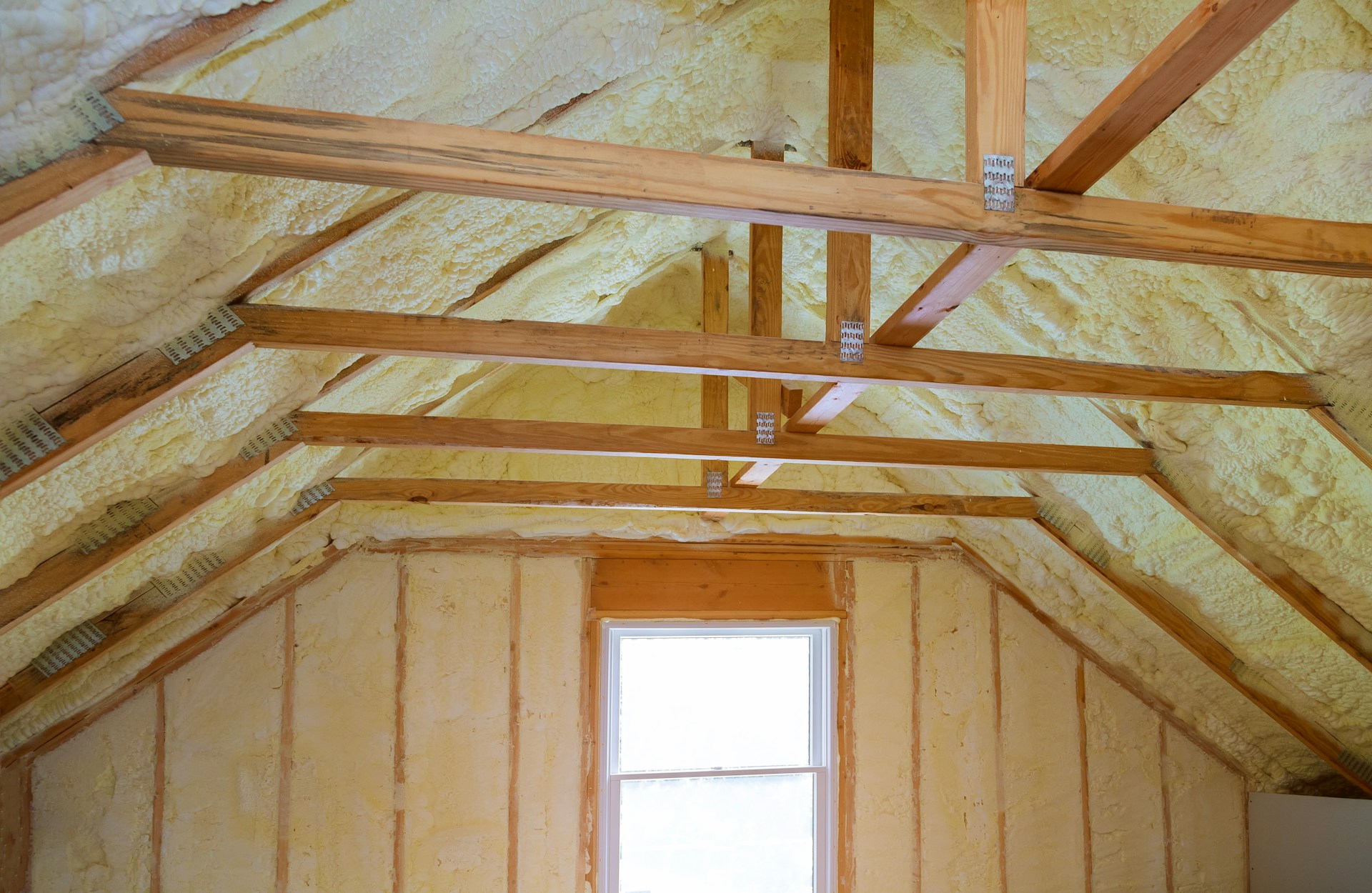
Protect Your Texas Home From Hidden Attic Damage
Attic insulation in Texas can quietly work against you when it is old, thin, wet, or poorly installed. It does not just make rooms stuffy; it can also push your HVAC and plumbing to their limits. When that happens, you feel less comfortable, your systems work harder, and your risk of water damage increases.
Spring is the perfect time to spot trouble in the attic, before the longest days and strongest sun arrive. With a little attention now, you can avoid surprise repairs when you most need cooler air and reliable water. We are going to walk through the main warning signs that your attic may be affecting your comfort and your plumbing, and what you can do to fix it.
How Texas Heat Turns Bad Attic Insulation Into a Threat
The Texas sun can turn an attic into an oven. When insulation is thin, compressed, wet, or missing, that heat soaks straight into your home. The AC has to fight rising temperatures from above all day long, not just the outdoor air.
Here is what happens when attic insulation is not doing its job:
- Attic temperatures climb higher, so your AC runs longer and harder
- Ducts in the attic heat up, so cooled air warms before it reaches your rooms
- Top-floor rooms feel stuffy, while downstairs may feel fine
- Plumbing lines and water heaters near that hot attic air stay under stress
If your plumbing lines or vent pipes run through or near the attic, big temperature swings can cause condensation on cold pipes and extra wear on nearby parts. Even in a warm climate, we still see pipes and fixtures stressed by fast changes in temperature and trapped humidity.
Getting the right R-value for attic insulation in Texas, along with proper air sealing, helps keep the attic within a stable range. When the attic is more stable, your HVAC and plumbing systems can operate more calmly and steadily. An upgraded attic can support everything from your AC and ducts to your water heater, supply lines, and drain lines.
HVAC Red Flags Linked to Failing Attic Insulation
HVAC problems are often the first sign that the attic needs attention. Many homeowners try thermostat tricks, but the real trouble is hiding above the ceiling.
Uneven Temperatures and Hot Upstairs Rooms
Poor attic insulation often shows up as:
- Hot second floors or bonus rooms
- Bedrooms that never feel cool enough in the afternoon
- Thermostat “battles” as people keep lowering the setting
This is especially common on the sunny side of the house and in rooms over garages where heat collects and lingers.
Rising Energy Bills and Constant AC Runtime
When cooled air escapes through the attic, and heat pours back in, your AC cannot catch a break. Signs include:
- AC running long cycles even on mild days
- The system rarely shuts off in the evening
- Energy bills are creeping up from one season to the next
AC and Ductwork Strain and Short Equipment Life
Ductwork that sits in a hot, poorly insulated attic can leak, sweat, and lose a lot of cool air. You may notice:
- Sweaty ductwork dripping onto insulation or ceiling areas
- Dust streaks around duct joints, showing leaks
- More frequent AC repairs or noisy operation
Over time, extreme attic heat adds strain to compressors, fan motors, and blowers. Even if the AC unit itself is fairly new, the harsh attic conditions can shorten its useful life. A professional look at both your ducts and attic insulation can help. You can see how this ties into complete home comfort services that work together.
Plumbing Problems Your Attic Insulation May Be Causing
Plumbing feels separate from the attic, but the space above your ceiling can affect pipes and fixtures a lot more than people think. Just as poor insulation can wear out your AC, it can quietly damage supply lines, drain lines, and water heaters.
Condensation, Moisture, and Mold Around Plumbing
When warm, humid air comes into contact with cold water or drain lines in or near the attic, moisture forms on those surfaces. Warning signs include:
- Ceiling stains near bathrooms or laundry areas
- Musty odors, especially after long showers
- Mold spots near vent stacks or chase walls
That trapped moisture can slowly damage drywall, framing, and even insulation itself. It can also create a less healthy indoor breathing environment.
Hidden Leaks and Slow Plumbing Damage
Attic and wall cavities around plumbing lines can hide small leaks for a long time. Poor insulation and air sealing can make this worse by:
- Allowing moisture to linger around fittings and joints
- Hiding drips in dark, damp insulation
- Accelerating corrosion on metal pipes and connections
Over months or years, that combination of heat, humidity, and hidden moisture can weaken plumbing components, leading to sudden leaks or burst fittings.
Frozen or Stressed Pipes in Rare Texas Cold Snaps
While our area stays warm most of the time, sudden strong cold fronts can still put stress on plumbing. Poor attic insulation and unsealed gaps let cold air hit pipes in attics and exterior walls. If those lines are already stressed from daily heat and humidity, they are more at risk for cracking or leaking when temperatures swing.
Adding proper insulation and sealing around these runs helps protect against both extreme heat and occasional freezes, reducing the chance of emergency plumbing calls.
Water Heater Efficiency and Premature Wear
Many homes have water heaters placed in unconditioned areas, such as garages, attics, or other unconditioned spaces. When the surrounding insulation is weak:
- Hot water can take longer to reach fixtures
- Water temperature may swing during use
- Energy usage for water heating may rise
Over time, this can shorten the lifespan of the tank or related components. Steadier attic and nearby air temperatures help your water heater run more calmly and predictably.
Drain and Vent Stack Performance
Insulation and air leaks around plumbing vent stacks can also affect how well your drains clear. Poor conditions in the attic can:
- Allow moisture to collect around vent penetrations
- Weaken seals where vents pass through the roof
- Contribute to musty or sewer odors leaking back into the home
By improving insulation and sealing around these penetrations, you help protect both the roof system and the plumbing vents that keep drains working smoothly.
How Professional Attic Insulation Fixes HVAC and Plumbing
A professional attic review can connect the dots between comfort, HVAC wear, plumbing issues, and insulation gaps.
Comprehensive Attic Inspection and Diagnosis
During an attic check, a trained team can:
- Measure insulation depth and look for bare spots
- Inspect ductwork for leaks, sweating, and poor routing
- Check visible plumbing lines, vent stacks, and water heaters near the attic
- Look for moisture, staining, and air leak paths
Because HVAC, plumbing, and insulation all interact, having one provider that understands all three can be a big help.
Upgrading Insulation and Sealing Air Leaks
Common solutions include:
- Adding or replacing blown-in insulation to reach the right R-value
- Sealing gaps around pipes, electrical lines, and duct chases
- Improving attic ventilation so heat and humidity do not build up as much
- Adding protective insulation wraps to exposed plumbing lines where needed
You can learn more about attic upgrades at the attic insulation service page. These steps lower attic temperature swings, reduce AC runtime, and give nearby plumbing better protection from condensation, leaks, and stress.
Coordinating HVAC and Plumbing Improvements
When attic insulation is upgraded, it is a good time to:
- Have HVAC ducts sealed and balanced for better airflow
- Check plumbing shutoff valves, fittings, and supports in attic areas
- Confirm that water heaters and related piping are properly insulated
Addressing both HVAC and plumbing together helps ensure the entire home system is working efficiently, not just one part.
Long-Term Comfort, Safety, and Bill Savings
When attic insulation is corrected, most homeowners notice:
- More even temperatures from room to room
- Quieter HVAC operation and fewer surprise breakdowns
- Fewer moisture issues around ceilings and bathrooms
- More stable performance from water heaters and piping
- Reduced risk of hidden leaks, mold, or pipe damage in attic spaces
A healthy attic helps your HVAC and plumbing last longer and work more reliably day after day.
Simple At-Home Checks and Common FAQs
Before you bring in a pro, a few safe checks can help you decide what to do next.
Quick Comfort and Bill Checks
- Compare upstairs and downstairs temperatures in the late afternoon
- Notice if certain rooms always feel stuffy or sticky
- Look back at 12 to 24 months of energy bills for unexplained jumps
- Pay attention to any sudden increases in water usage that may hint at hidden leaks
Safe Visual Clues in the Attic
If you can safely peek into the attic, you might see:
- Rafters showing clearly through thin insulation
- Dark, damp, or stained spots on insulation or wood
- Crushed insulation paths and bright sunlight leaks
- Sweating ductwork or plumbing lines
- Corrosion or mineral buildup on exposed plumbing fittings
When It Is Time to Get Professional Help
It is a good idea to bring in a professional if you notice:
- Recurring hot rooms or comfort complaints
- Visible moisture, musty smells, or ceiling stains
- Noisy or overworked AC cycles
- Past pipe stress or leak issues
- Inconsistent hot water or frequent water heater adjustments
Below are some common questions we hear about attic insulation, HVAC, and plumbing.
How often should attic insulation be checked in Texas homes?
Every few years is a good habit, or any time you notice comfort shifts, changes after roofing work, or signs of moisture.
What R-value is best for attic insulation in Central Texas?
Most homes benefit from a higher R-value than older attics currently have to better handle strong sun and long cooling seasons.
Can poor attic insulation really damage my AC system?
Yes, it can, by forcing long run times, stressing ductwork, and raising attic temperatures around key components.
How does attic insulation affect my plumbing pipes?
It affects how much hot, humid, or cool air reaches the pipes, which in turn affects condensation, line stress, and the risk of freezing during rare cold snaps.
Will new attic insulation lower both energy and water heating bills?
Improved insulation can reduce the load on your HVAC system and help keep temperatures around water heaters steadier, often leading to lower use of both electricity (or gas) and water.
What are the signs I should call a professional instead of trying DIY insulation?
Signs include suspected mold, complex duct and plumbing layouts, exposed wiring, any history of roof or water damage, or visible corrosion on plumbing lines.
Is it better to upgrade insulation before replacing my AC or water heater?
Fixing insulation first can help your systems be sized correctly and run more efficiently after installation, and can protect new plumbing and HVAC equipment from unnecessary strain.
How long does an attic insulation upgrade usually take?
Most single-family homes can be handled in a short time frame, but timing depends on how much sealing, duct, or plumbing protection is needed.
Does one company need to handle both insulation and plumbing issues in the attic?
Having one team address HVAC, attic insulation, and related plumbing concerns together often leads to a smoother, more complete fix and better long-term performance for the whole home system.
Get Started with Your Project Today
If your energy bills are climbing or certain rooms never feel comfortable, it is time to take a closer look at your attic. We provide expert attic insulation in Texas tailored to your home so you can enjoy consistent comfort and lower utility costs. Our team at Woods Comfort Systems will inspect your space, explain your options, and recommend the right solution. To schedule a visit or ask questions, simply contact us.
Whether you require installation, repair, or maintenance, our technicians will assist you with top-quality service at any time of the day or night. Take comfort in knowing your indoor air quality is the best it can be with MOE heating & cooling services Ontario's solution for heating, air conditioning, and ventilation that’s cooler than the rest.
Contact us to schedule a visit. Our qualified team of technicians, are always ready to help you and guide you for heating and cooling issues. Weather you want to replace an old furnace or install a brand new air conditioner, we are here to help you. Our main office is at Kitchener but we can service most of Ontario's cities
Source link