It is always wise to develop and practice good safety measures when working around your HVAC equipment. While most invasive work on your system should be left to certified technicians, there are many safety measures you should be aware of.
Fist, know your system. Know where the connections are, where switches and valves are. In case of an emergency, it will help you not to be rushing in to try and find something.
Many systems have downloadable manuals online, which can be handy to have accessible.
 Emergency preparedness can help you be ready in most any urgent scenario. Know how to shut off gas and electrical supply to the HVAC system. Your manual can help you identify the locations on your system for the gas valve and electrical shutoff.
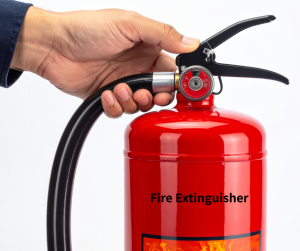
It is wise to have fire extinguishers accessible and in the vicinity of your furnace and ensure everyone in your home knows where they are.
If you smell gas or suspect a carbon monoxide leak, evacuate immediately and call emergency services. Easily installed Carbon Monoxide detectors are simple to install yourself in the vicinity of the furnace for added protection.
 There are several things you can do if you suspect an electrical issue. In fact, if your system is not running, it is one of the first things to check- the electrical supply, the breakers and the thermostat.
Turn off power at the breaker before inspecting or working on any HVAC unit. Ensure wiring is intact, properly grounded, and free from corrosion. Keep electrical panels accessible and free from clutter. Use surge protectors to prevent damage from power spikes.
Keep flammable materials far from furnaces, boilers, and heat pumps. The area should be kept clean and clear from clutter. Ensure proper ventilation for gas‑powered systems to prevent carbon monoxide buildup. Install a carbon monoxide detector and routinely test carbon monoxide detectors near sleeping areas. Have burners, heat exchangers, and ignition systems inspected annually by a certified technician.
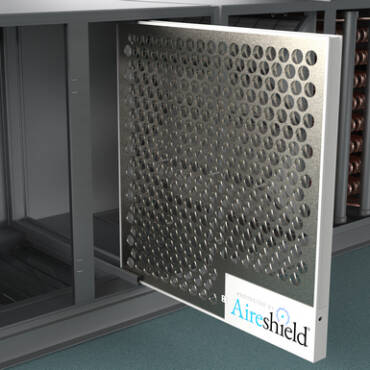
 Air Filters should be replaced at least every 1–3 months depending on usage and environment. If you have pets or high traffic, replace the filters each month, unless you have air cleaners which only require filter changes every six months.
Keep vents and registers unobstructed to maintain airflow and prevent overheating. Check ducts for buildup and have ducts cleaned periodically to reduce dust, mold, and allergen accumulation. Ensure outdoor units have at least 2–3 feet of clearance for proper airflow. For More Information on Ducts, Click Here
Only certified technicians should handle refrigerants. Refrigerants can cause frostbite or respiratory issues. If you suspect a refrigerant leak, contact a licensed professional to evaluate. Low refrigerant can cause a system to keep up with desired temperature, poor cooling, frozen evaporator coils, reduced airflow, and serious damage, especially to the compressor, as the system overheats, works harder, and struggles to absorb heat, leading to higher energy bills and potential system failure. It’s a serious issue that requires professional attention to find and fix the leak, not just add more refrigerant.
Store refrigerant cylinders upright in a cool, ventilated area.
Keep moving parts (fans, belts, motors) guarded and inaccessible during operation. Lubricate motors and bearings as recommended by the owner’s manual or manufacturer.
Inspect condensate lines and pans to prevent overflow and water damage. White vinegar can be used to flush the condensate drain to clean and refreshen.
Ensure all panels and access doors are securely fastened after maintenance.
Schedule professional HVAC inspections at least once a year for cooling and once a year for heating.
Keep children and pets away from HVAC equipment. HVAC Home Safety Checklist
Maintain clear pathways around indoor and outdoor units.
Document maintenance and repairs to track system health. Use our Handy Checklist to ensure your safety practices are followed.
 It is imperative to ensure your safety and the safety of your equipment through the many years of service. As things come up, use good safety practices for yourself and your family. Air Doctor Heating and Air is here If your system requires diagnostics or if you have questions about it’s operation, Contact Us or Call or Text us at 301-799-7200
Whether you require installation, repair, or maintenance, our technicians will assist you with top-quality service at any time of the day or night. Take comfort in knowing your indoor air quality is the best it can be with MOE heating & cooling services Ontario's solution for heating, air conditioning, and ventilation that’s cooler than the rest.
Contact us to schedule a visit. Our qualified team of technicians, are always ready to help you and guide you for heating and cooling issues. Weather you want to replace an old furnace or install a brand new air conditioner, we are here to help you. Our main office is at Kitchener but we can service most of Ontario's cities
Source link