Spring makes HVAC air purification especially important because pollen, mold spores, dust, and other allergens surge, and your system can either trap them or circulate them through every room. A well‑maintained HVAC with proper filtration dramatically reduces indoor allergen levels and improves comfort during peak allergy season.
Air Cleaners are media air filters can really help in your defense against pollutants that can greatly impact your health and comfort. Media filters are one of the most cost‑effective ways to get air‑scrubbing performance without the complexity of HEPA systems.
Spring brings a sharp rise in pollen, mold spores, and outdoor allergens that easily enter your home. Once inside, your HVAC system continuously recirculates air, which means it can spread these particles unless filtration and purification are optimized. Pollen buildup in the system is directly linked to worsened allergy symptoms and reduced indoor air quality.
Indoor air can even become more polluted than outdoor air, especially when allergens accumulate in ducts, coils, and filters. Scientific studies show that air filtration reduces airborne allergens and provides measurable relief for allergy sufferers.
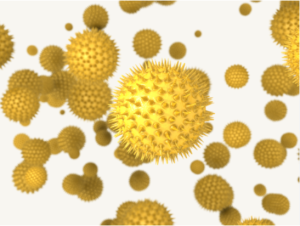
 Pollen
Spring pollen is lightweight and easily pulled into return ducts. Without effective filtration, the HVAC system redistributes it throughout the home, triggering sneezing, congestion, and itchy eyes. For More Information
Allergens & Dust
Dirty filters are ineffective against any particles and reduce airflow to your system. Low‑quality filters do lot capture all particulates, they still allow dust, pet dander, and other irritants to circulate. High‑efficiency filters capture these particles before they reach your living spaces.
 Mold Spores

Moisture in coils, drain pans, and ductwork can harbor mold. Once airborne, spores aggravate allergies and respiratory issues. Purification and proper filtration reduce the spread of these spores.
Viruses & Fine Particles
While not all HVAC filters capture viruses, higher‑grade filtration and add‑on purification technologies (like UV‑C or bipolar ionization) help reduce airborne viral load and other ultra‑fine particles.

Media air filters can function as air scrubbers when they’re paired with the right cabinet design and high‑efficiency filter media. The core idea is that a media filter doesn’t just “catch dust”—it becomes a whole‑home particulate reduction system that continuously removes airborne contaminants as air cycles through the HVAC system. This makes them a practical, low‑maintenance alternative to portable air scrubbers in many residential and light‑commercial settings.
What Makes a Media Filter Act Like an Air Scrubber
 A media air filter becomes an air‑scrubbing solution when it has:
- Deep‑pleated filter media (typically 3–5 inches thick) that increases surface area and captures more particles per pass.
- High MERV ratings (MERV 11–13) that trap pollen, dust, mold spores, and fine particulates.
- A sealed cabinet that prevents bypass air, ensuring all return air is filtered.
- Continuous airflow through the HVAC blower, allowing whole‑home air cleaning during system operation.
Products like Dust Free’s media air cleaner use MERV 11 or MERV 13 filters and sealed cabinets to capture significant airborne particles, functioning similarly to air scrubbers in forced‑air systems.
How Media Filters Compare to True Air Scrubbers
Air scrubbers—especially commercial ones—use HEPA filters, negative air machines, or multi‑stage purification to remove ultra‑fine particles. They’re common in construction, remediation, and medical environments. Media air purifiers are also used in commercial and industrial settings to reduce airborne contaminants.
Media filters don’t reach HEPA‑level filtration, but they offer major advantages for everyday indoor air quality:
Where Media Filters Excel
- Whole‑home coverage
- Low static pressure compared to HEPA
- Long filter life (6–12 months)
- Lower cost and easier maintenance
- Excellent for pollen, dust, mold spores, and general allergens
Where True Commercial Air Scrubbers Excel
- Capturing ultra‑fine particles (0.3 microns and smaller)
- Negative‑pressure environments
- Medical, remediation, or high‑sensitivity applications
What Media Filters Remove Effectively
Media filters are highly effective at capturing:
- Pollen (spring allergens)
- Dust and dust mites
- Pet dander
- Mold spores
- Large respiratory droplets
- General household particulates
They are less effective for:
- Viruses (unless paired with UV‑C or ionization)
- Smoke and ultra‑fine particles
- VOCs or odors (requires carbon filtration)
To combat viruses, smoke and VOCs, whole home air purification such as Reme LED (ionized purifier) will effectively control these hazards.

A media filter cabinet is worth installing when:
- You want better filtration without jumping to HEPA.
- You’re dealing with seasonal allergies or dust issues.
- You want to reduce system strain from restrictive 1‑inch filters.
- You want whole‑home air cleaning without portable units.
To achieve safe and comfortable indoor air quality can be a real challenge, especially in the Spring. Increasing your home’s filtration and purification efforts are the key to removing hazardous particulates, pollution and airborne microbes. Contact Us at Air Doctor Heating and Air, Call or Text Us at 301-799-7200
Whether you require installation, repair, or maintenance, our technicians will assist you with top-quality service at any time of the day or night. Take comfort in knowing your indoor air quality is the best it can be with MOE heating & cooling services Ontario's solution for heating, air conditioning, and ventilation that’s cooler than the rest.
Contact us to schedule a visit. Our qualified team of technicians, are always ready to help you and guide you for heating and cooling issues. Weather you want to replace an old furnace or install a brand new air conditioner, we are here to help you. Our main office is at Kitchener but we can service most of Ontario's cities
Source link