
Why Your Home Smells Worse When the AC Kicks On
A strong sewer or funky smell right when the AC turns on is not normal. If anything, your home should smell fresher when cool air starts moving, not worse. When odors intensify with airflow, it is usually a sign that your HVAC and plumbing systems are working against each other.
In many Central Texas homes, the problem comes from a mix of sewer gas, dry P-traps, and negative air pressure inside the house. When those lines up, the AC can pull bad smells from drains and hidden gaps and push them through your vents. Here we will explain how it happens, what it means for your health, and simple steps you can take before you call for professional help. The good news is that these issues are usually fixable with the right plumbing, drain cleaning, and HVAC care.
How Sewer Gas Sneaks Into Your Home’s Air
Sewer gas is the mixture of gases that rises from sewer and drain lines. It often smells like rotten eggs, decaying waste, or a musty, dirty bathroom. Even if the smell comes and goes, it is telling you something is not sealed the way it should be.
Breathing sewer gas can cause:
- Headaches or dizziness
- Nausea or upset stomach
- Burning or watery eyes
- General feeling of stuffy, stale air
At higher levels, sewer gas may also contain methane and other gases, which can be hazardous if they build up. Your plumbing is designed to stop this gas from entering your living space. It does that with:
- Vent pipes that let gases escape above the roof
- P-traps that hold water to block odors at each drain
- Sealed joints and wax rings that close gaps around toilets and pipes
When something in that system is dry, loose, cracked, or blocked, sewer gas looks for any path it can find. You tend to notice it more in spring and warm months because the AC runs longer, windows stay closed, and indoor air doesn’t clear out as quickly.
Dry P-Traps, Negative Pressure, and What to Check
A P-trap is the curved pipe under sinks, showers, tubs, and floor drains. That little U-shape holds a small amount of water. Think of that water like a lid that blocks sewer gas from rising up into the room.
P-traps dry out when:
- A sink, tub, or shower is rarely used
- A floor or laundry drain only sees water during spills
- There is a small leak that slowly drains the trap
- The home sits empty for a while
Once the water is gone, there is nothing to stop odors from crawling up the pipe. Add negative air pressure from your HVAC system, and the gas can get pulled into the room even faster.
Here is a simple home checklist:
- Run water in every sink, tub, and shower for 15 to 30 seconds
- Pour a pitcher of water into the floor and laundry room drains
- Look under sinks for damp spots or mold around trap joints
- Check around toilets for loose movement or staining at the base
If smells keep coming back, drains gurgle, or water drains slowly, that points to a deeper plumbing issue. At that stage, a licensed plumber should inspect for clogs, blocked vents, or pipe damage. A full plumbing service visit can uncover problems you cannot see from inside the home.
Negative air pressure is the other half of the story. When your AC pulls more air out of a room than it pushes into it, the house starts to suck in air from any gap it can find. That might be:
- A dried P-trap
- A loose toilet seal
- Cracked vent lines inside walls
- Unsealed pipe openings in closets or behind access panels
If your AC returns are leaky, they can pull that smelly air into the ductwork and then push it through the rest of the home. This is why odors often show up right when you start running the AC more in spring.
HVAC Checks to Help Stop Odors from Spreading
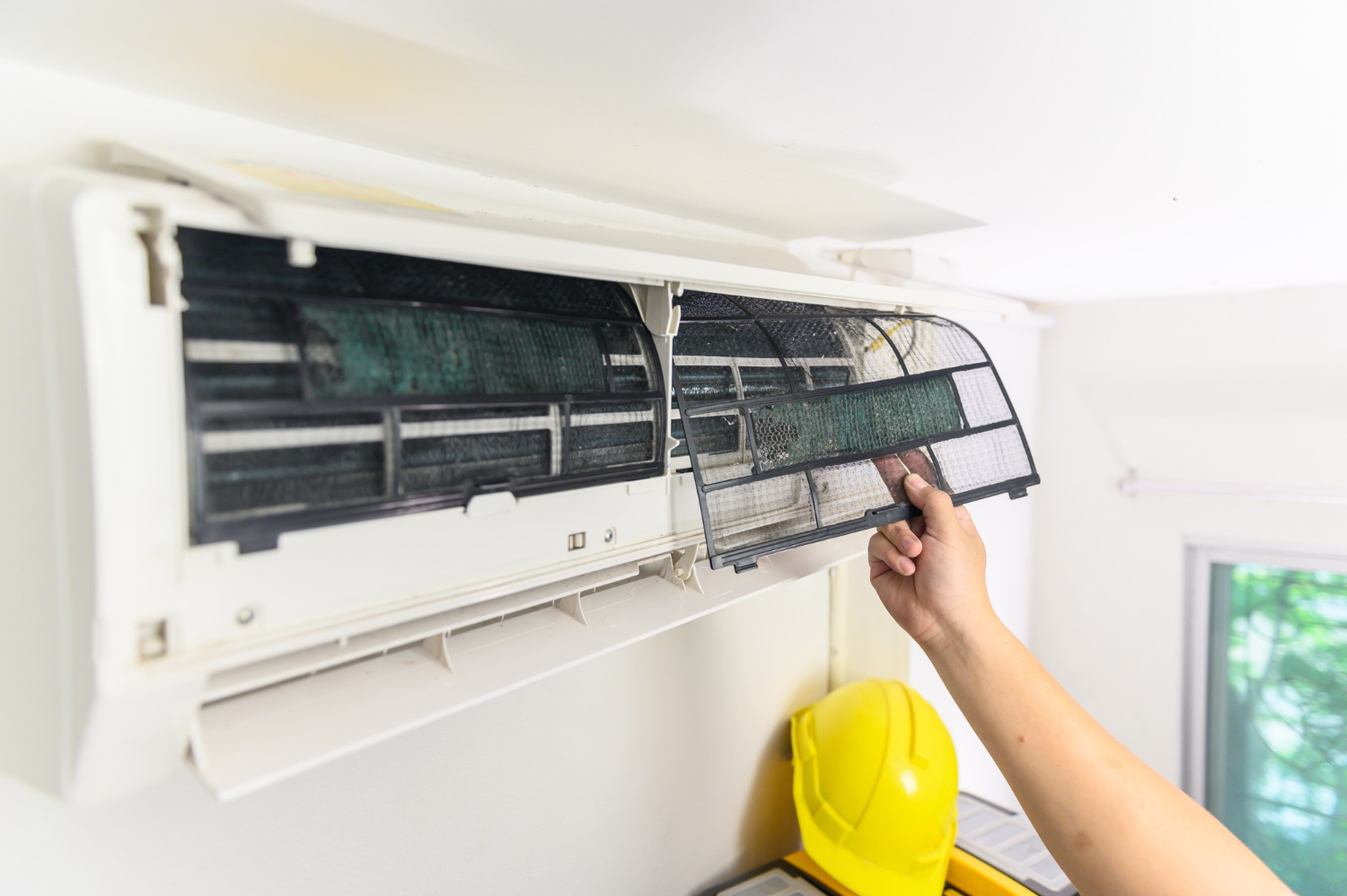
Your HVAC system might not be creating the sewer gas, but it can move it around. A few basic checks can help you understand where the smell is coming from.
- Make sure return grilles are clean and not blocked by furniture or dust.
- Check that you have a fresh air filter that fits snugly in its slot.
- Note any specific vents that push out the strongest odor when the AC runs.
- Listen for whistling, rattling, or hissing noises that may hint at duct leaks.
Common odor pathways include:
- Leaky return ducts in bathrooms, laundry rooms, or near plumbing chases
- Air handlers in closets that share space with water heaters or drain lines
- Ductwork running through areas with unsealed pipes
Professional HVAC maintenance can check duct leakage, balance airflow, and clear condensate drains to prevent them from contributing to the smell problem. In many homes, the fastest fix comes from looking at HVAC, plumbing, and drain cleaning together rather than treating each system separately. For some homes with older piping, new or updated plumbing installation may be part of the long-term answer.
FAQs About Sewer Odors, AC Smells, and Drain Problems
Why does my house smell like sewage only when the AC turns on?
Your AC moves a lot of air. If there is negative pressure or leaky return ductwork, the system can pull sewer gas from dried P-traps or gaps around plumbing and send it through your vents when the blower runs.
Can a clogged drain or sewer line really affect my indoor air?
Yes. A clog can trap waste and gas in the line. If vents are blocked or traps are dry, that gas can escape into rooms, and your HVAC system can spread it throughout the house.
How often should I have my plumbing and drains professionally cleaned to prevent sewer gas problems?
That depends on your home, but regular cleaning and inspection before the heavy AC season can help catch slow drains, partial clogs, and vent issues before odors show up.
Is sewer gas in my home dangerous for my family or pets?
Sewer gas can irritate eyes and airways and may cause headaches or nausea. It can also carry methane and other gases. Any strong or repeated sewer smell should be checked by a professional.
What is the difference between a musty AC smell and a true sewer gas odor?
Musty smells often come from moisture, dust, or microbial growth in ducts or the air handler. Sewer gas smells sharper, more like rotten eggs or raw sewage, and often comes from drains or bathrooms.
How can I tell if the smell is coming from my ducts or my plumbing?
Notice where it is strongest. If it is strongest near certain drains or toilet areas, plumbing is likely involved. If it is strongest only at supply vents and not near drains, duct issues may be more to blame.
Will a new HVAC system automatically fix odor and air pressure problems?
Not always. A new system can improve airflow and filtration, but if there are plumbing leaks, dried traps, or poor venting, those need their own repairs.
What can I do to keep P-traps from drying out in guest bathrooms or seasonal rooms?
Run water in each unused fixture every few weeks. Pour some water into the floor drains. For long-unused drains, a small amount of mineral oil on top of the water can slow evaporation.
When should I stop trying quick fixes and call a professional?
If you refill traps and the smell returns, notice gurgling when other fixtures drain, have more than one slow drain, or the odor gets worse every time the AC cycles on, it is time for expert plumbing and HVAC help.
Breathe Easier with Expert HVAC and Plumbing Support
Sewer-like odors that get worse when the AC runs are a clear sign that something in your home is not sealed or vented properly. By understanding how sewer gas, dry P-traps, and negative air pressure work together, you can spot issues early and protect your comfort and safety as the cooling season ramps up in Central Texas.
A team that understands both sides of the problem, HVAC airflow and plumbing, and drain cleaning, can track down the real source instead of just covering the smell. With the right inspections and repairs, your home can feel cool and smell clean at the same time.
Get Started with Your Project Today
If you are dealing with leaks, clogs, or slow drains, our team at Woods Comfort Systems is ready to provide reliable plumbing and drain-cleaning solutions. We respond quickly, explain your options clearly, and complete the work with respect for your home and time. To schedule service or request an estimate, simply contact us, and we will take care of the rest.
Whether you require installation, repair, or maintenance, our technicians will assist you with top-quality service at any time of the day or night. Take comfort in knowing your indoor air quality is the best it can be with MOE heating & cooling services Ontario's solution for heating, air conditioning, and ventilation that’s cooler than the rest.
Contact us to schedule a visit. Our qualified team of technicians, are always ready to help you and guide you for heating and cooling issues. Weather you want to replace an old furnace or install a brand new air conditioner, we are here to help you. Our main office is at Kitchener but we can service most of Ontario's cities
Source link