
Posted January 2, 2026
There’s nothing quite like a cozy home, especially in winter. The thing is, many of us take our furnaces for granted. We don’t use them that much in the warmer months, and this leads to neglect.
Your furnace gets overworked and underappreciated. Without regular maintenance, it will break down and run inefficiently. All of this will hit you in the wallet and leave you cold. If you want to keep your furnace in tip-top shape, it’s best to make sure it gets cleaned well. Doing everything you can around the house to help it run better is also key.
Here’s everything you need to know about caring for and optimizing your furnace. Make sure it’s always reliable and in great condition year-round.
Why Do You Need to Maintain Your Furnace?
According to the national average, heating takes up almost half of a home’s energy bills. This should come as no surprise since your furnace puts in a lot of work. Any furnace problems that interfere with your heating system’s ability to function are a problem.
This is because a dip in efficiency will lead to wasted energy. Wasted energy, in turn, means you’re wasting more money than you should be on your heating bill. If you have your heating system set to reach a certain temperature, your furnace will struggle to maintain that threshold.
You want your furnace running as best as possible, so it doesn’t stress itself trying to heat your home. Overworking your heating system will result in breakdowns and damage that needs to get repaired. It will also hurt your wallet.
By doing regular inspections and maintenance on your furnace, you can catch and address any issues early. There are also safety reasons. Your family relies on the furnace for heat, especially in the winter. Not only can freezing temperatures be a risk for your household, but so can polluted air. Failing to keep your furnace or vents clear and in working order is dangerous. Catching issues early will save you money and a headache.
Don’t wait for your furnace to break down or require HVAC service to run again. Make furnace maintenance a regular part of your routine. Your family’s health, comfort, and finances will thank you.
Take a Look at Your Filter
Something you need to make a habit of is checking your filter. You can find your filters right where your return duct goes into your furnace. A poor or dirty filter will impact the airflow.
The job of your filter is to get rid of all particles and fine debris that travels through your ducts. This includes everything from pollen to dust and dust mites and pet dander. Even fungal spores and bacteria can work through your home using your heating system.
A good filter will catch most of that and stop it from recirculating through your ducts. The thing is, even the best filters get old, dirty, and used up. When that happens, you need to clean it or buy another one to replace it.
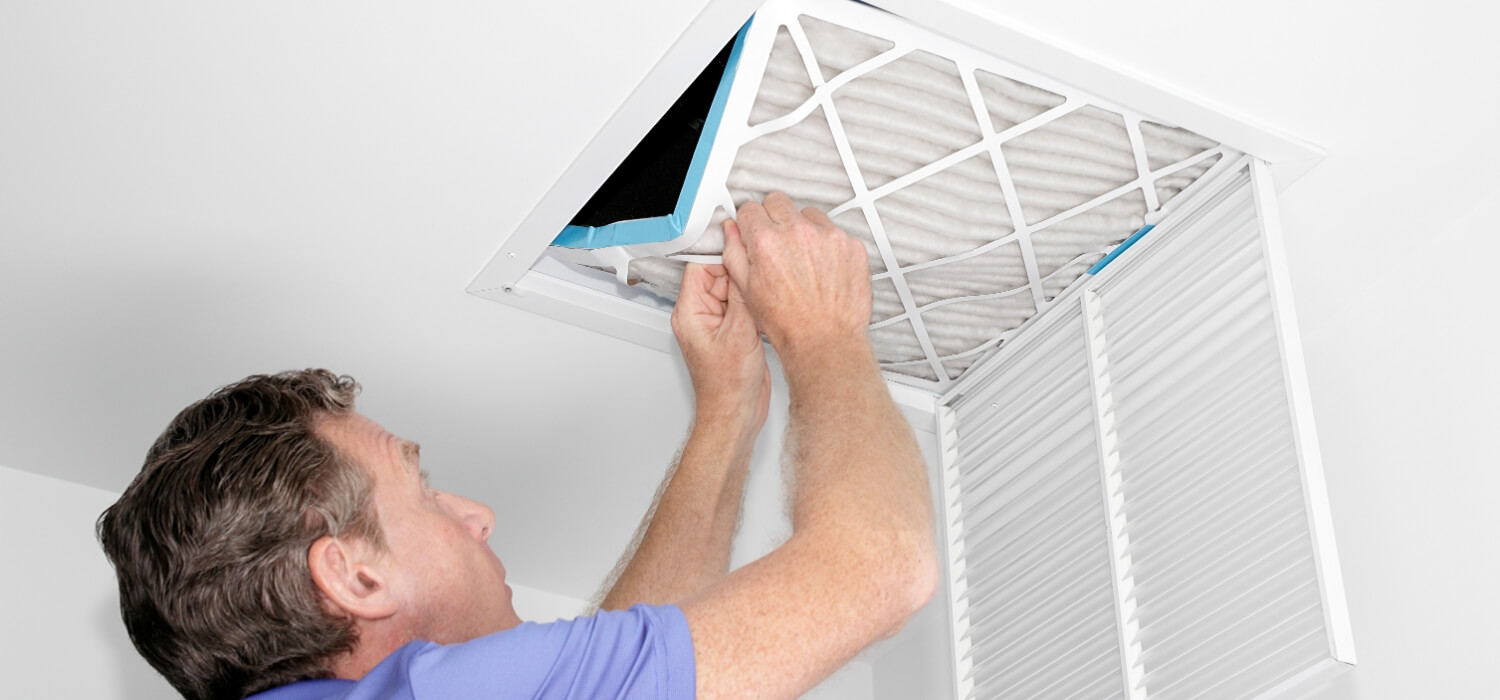
Depending on what system you have, you should change your filter every 30 to 90 days. Cheaper filters get most of what floats through your vents but rarely last the full period. More expensive ones can surpass 3-months and are much better at filtering out finer particulates.
Paying the extra money guarantees higher air quality, and this makes a big difference for those with asthma or allergies. Regardless of which filter you go with, you should check them for damage and ensure they’re still good.
Excessive amounts of particulates can dirty a filter more quickly, forcing you to change it sooner. In those cases, a deep clean of your vents, furnace, and heating system is in order.
Double Check the Blower Motor
It’s not rocket science to understand how your furnace works. It produces heat using a heating element that gets pushed forward. This is where your blower motor comes in.
The heat exchanger gets hot from the heating element. The fan then pushes air through this hot spot, during which the air becomes hot as well. From there, it travels into your ducts, to your vents, and throughout your home.
For the fan to move this air, it needs an electric motor. This blower motor has plenty of moving parts, which means plenty of things that can go wrong. It’s important to check on it every so often to make sure everything is running right.
Strange noises are cause for concern. Shrill sounds could mean something is grinding. It might be a sign that something has come loose, such as the blower wheel itself.
A droning hum might indicate an electrical problem that will need a professional to fix. Even if it isn’t making any unusual sounds, it could still be underperforming for some reason. Check the blower to see if it’s producing adequate airflow and get an expert involved if you need to.
Deal With Heat Loss
The harder your furnace and heating system need to work, the more stress you place on them. This, in turn, speeds up wear and tear on your system and speeds up how often you need to do maintenance or repairs. Dealing with heat loss in your home is an important step for easing the burden on your heating system.
Poor seals or openings that allow cold air drafts to come in waste all the hard work your furnace is doing. All of that warm air coming out of your vents will leak outside. If your furnace is set to reach a certain average house temperature, you’ll only worsen the load.

Things you can do around the home are check all of your seals on the windows and around your doors. If you haven’t already, install weather stripping. Maintain older seals or put up new ones where you need to, and check on a regular basis.
Although it’s more labor-intensive, installing insulation throughout your home is important too. A cold room, such as an attic or bathroom, could result from poor or non-existent insulation. Remember, you want to minimize the amount of work your furnace needs to do to keep your house warm.
To this end, you’ll have a good idea of where the cold and drafty spots already are. That said, a professional can help determine where the exact weak points are and how to address them.
Clear Your Vents
You should always deal with anything that gets in the way of your heating system functioning. This is why you need to keep your vents clear to do their job and distribute air. Double-check the condition and function of your vents, and address any problems fast.
The first thing to look for is your heater’s airflow. It’s crucial that warm air can come out of your vents in an even and efficient way. Take a look to see if any registers are in the closed position or if any of them are being blocked by obstacles.
You should never block a vent or floor register. This can force your furnace to work harder and with less efficiency. It won’t only struggle to heat the room it’s in; it could also prove dangerous as well.
This is especially the case if it’s blocking something fragile, flammable, or explosive. Making your furnace work harder can also boost its deterioration, leading to more frequent furnace repairs. If you have cabinets or desks blocking vents or registers, move them as soon as possible.
Most homes have designs that take optimal ventilation into account. The vents aren’t placed at random. By keeping them all open and clear of obstructions, you maximize your furnace’s capability. The more your furnace can work as intended, the less damage it will get subjected to.
Don’t Forget About the Exhaust Flue
If your furnace runs on gas, never forget about the exhaust flue. This serves as an exit door to get all of the nasty fumes out of your home. Go outside to make sure the exhaust flue is clear of obstructions and that the air can flow freely.
Blockages can occur near the exit outside your home and anywhere along the way. If you aren’t getting proper airflow, you’ll have to investigate. In case you don’t feel up to the task yourself, ask an HVAC service company to take a look.
You need to keep up with this maintenance. This is because exhaust flue build-up carries severe health risks. Carbon monoxide poisoning is a real fear that can arise from not cleaning your exhaust flue.
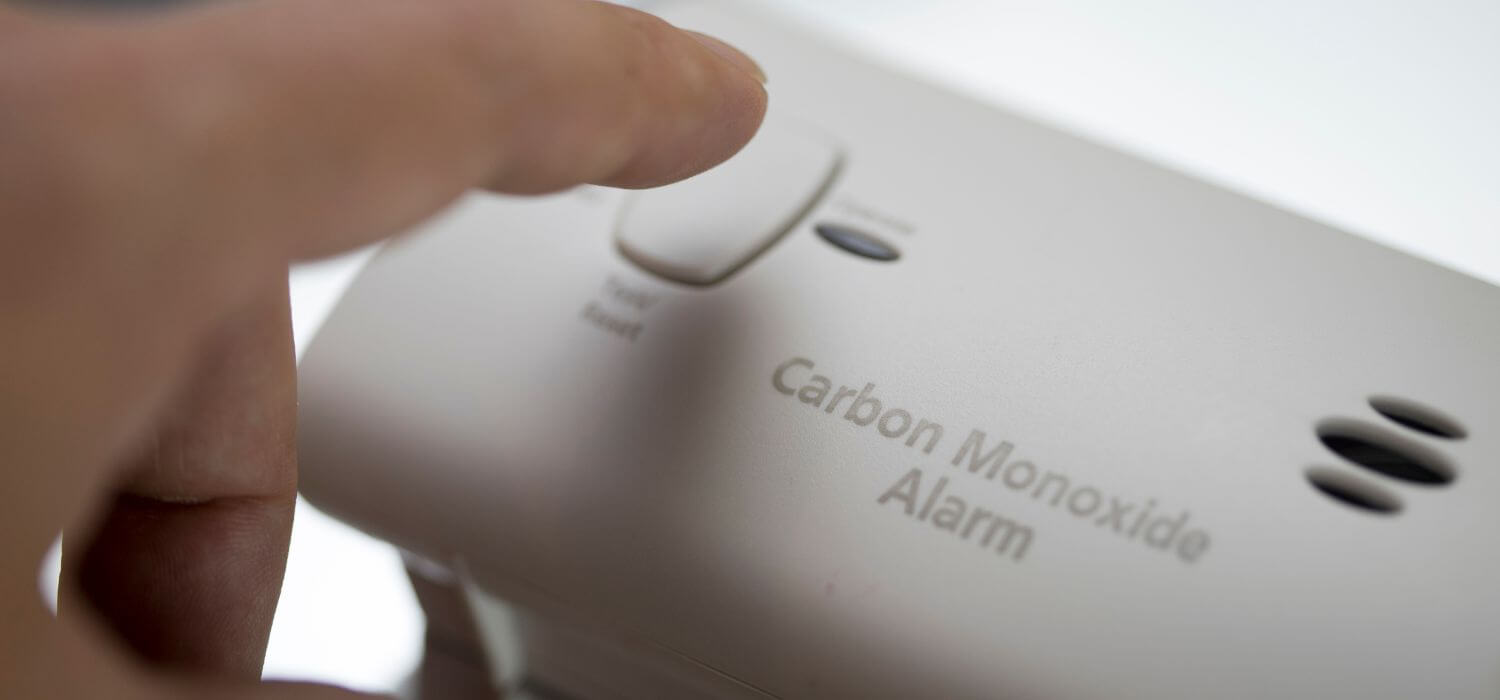
Aside from this, the other risk factors are nitrogen dioxide and sulfur dioxide. These are all found inside the fumes your furnace produces, and it’s the job of your exhaust flue to get rid of them. The health risks associated with them if they end up in your home are pretty dangerous.
They include more minor symptoms like headaches, fatigue, and nausea. Severe ones like heart palpitations, fainting, and even death are possible. If you have any reason to suspect your heating system isn’t filtering these gasses out, don’t delay.
Call for professional help immediately, and consider a temporary evacuation. This last part is especially true if you can smell the gas.
Make Sure There’s Nothing Dangerous or Flammable
Like with the section on keeping your vents clear of obstructions, the same should be true of the furnace. Make sure that the space around the furnace is clutter-free. This is especially true for things that could be flammable, unstable, or explosive.
Boxes, cleaning supplies, or unsteady loads have no business being near your furnace. This especially goes for aerosols or other heat-sensitive items. In an ideal world, your furnace is in a designated spot where you can isolate it. It’s important never to have anything near it that could interfere with it or cause damage to it.
Keep Your Vents, Ducts, and Heating Systems Clean
Every season you should inspect all the ducts, vents, and heat registers in your home. Make sure to check the ones on the floor and in harder-to-reach places, such as ceilings. It’s filthy, and a pain in the backside, but don’t skip the ducts either – especially deep inside them.
Things like dust, debris, or pet hair can hurt your system’s efficiency. They can plug up your filter or damage your blower motor. If it gets bad enough, your vents could get plugged, stopping air from getting through.
You don’t want your furnace needing to work any harder than it needs to. If you don’t do regular inspections, things can find their way deeper into the vents or ducts. It can be harder to notice them once this happens, and from there, the problem only builds.

Another thing to look for is signs of nests or pests. Birds or rodents can make their home in your vents and plug them up. Not clearing your vents on a regular basis can be dangerous.
Airborne pathogens and deadly mold can also lurk in your ducts. Don’t wait for your vents to get blocked all the way or for your family to start feeling sick. Take your register and vent covers off and give it a good vacuum.
It’s worth hiring professionals to give your ducts a good deep clean every few years. That said, inspecting your vents and ducts 3-4 times a year yourself is ideal.
Maintaining Your Furnace Is Important
Your furnace is what stands between you and your family and the frigid cold outside. Taking it for granted and failing to maintain it year-round will cause you no end of trouble. Inefficiency and repairs when things go wrong are expensive and frustrating.
Make sure you do the right amount of maintenance and inspect everything often. If you ever need professional advice or help with any of your heating or maintenance needs, Hiller has your back. Contact us today!

Daily Promotion
$500 Off Tankless Water Heater
Upgrade your comfort and give back this season.
Get Promotion
Whether you require installation, repair, or maintenance, our technicians will assist you with top-quality service at any time of the day or night. Take comfort in knowing your indoor air quality is the best it can be with MOE heating & cooling services Ontario's solution for heating, air conditioning, and ventilation that’s cooler than the rest.
Contact us to schedule a visit. Our qualified team of technicians, are always ready to help you and guide you for heating and cooling issues. Weather you want to replace an old furnace or install a brand new air conditioner, we are here to help you. Our main office is at Kitchener but we can service most of Ontario's cities
Source link