
Have you ever stepped into the shower expecting hot water and getting hit with ice-cold cold instead? You stand there, soaking wet, and the first thought is always the same: what now? So you trudge downstairs to the water heater, and there it is. No flame. Just darkness where that pilot light should be burning. It happens once, and you shrug it off. It occurs twice, and you start wondering if you’ll have this problem forever. Most people end up fixing this without calling anyone. But you have to know what you’re looking at first. San Marcos homeowners mainly deal with this more often than folks in other areas because of our humidity and water quality.
This guide breaks down exactly why your water heater pilot light keeps going out and what to actually do about it.
Why Is Your Water Heater Pilot Light Constantly Shutting Down?
Your water heater’s pilot light goes out because something is preventing that tiny flame from staying lit. It could be a dirty thermocouple, a draft blowing through your utility space, or even condensation buildup from our humid Texas weather. Sometimes it’s a clogged pilot orifice, sometimes it’s a problem with your gas supply. In short, your pilot light is trying to tell you something that it needs attention.
The thermocouple is a safety device that keeps gas flowing as long as it senses heat. When it can’t do its job, the gas valve shuts down automatically, which is actually an innovative safety feature.
Here’s what typically causes the shutdown:
- A thermocouple coated with soot or debris that can’t sense the flame properly
- Air movement or drafts in your utility space, blowing out the flame
- Water condensation dripping onto components, especially during San Marcos’ humid seasons
- Sediment or mineral buildup is clogging the pilot light opening
- Issues with your gas supply pressure or control valve function
What Causes Your Pilot Light to Keep Going Out and How to Fix It?
When your gas water heater keeps having a pilot light issue, the underlying issue usually falls into one of several categories. Each one requires a different approach, and some are definitely DIY territory while others really do need help from an HVAC and plumbing company. Let’s look at what’s actually going on inside that water heater, so you know whether this is fixable with tools from your garage or if it’s time to call someone with the right equipment.
Thermocouple Issues: Dirty, Bent, or Worn Out
The thermocouple is that small metal rod sitting in your pilot flame. Think of it as a tiny thermometer that tells your gas control valve whether the flame is actually burning. When soot, dust, or mineral deposits coat this rod, it can’t correctly detect the heat. You end up with your gas valve cutting off even though the flame is right there. The fix often starts with cleaning. Grab some fine-grit sandpaper or emery cloth and gently wipe down that thermocouple rod until it’s shiny again. Make sure you’re not bending it while you’re working, because even a slight angle can throw off how it sits in the flame. If cleaning doesn’t work, you may need a replacement or pilot light troubleshooting, which is the critical task where calling a professional makes sense.
- A dark or discolored thermocouple usually means it’s coated with soot and needs cleaning.
- If it’s bent or crooked, even slightly, it won’t read the flame temperature correctly.
- Replacement typically costs between $150 and $300, but it’s quick work for a licensed technician.
Drafts and Airflow Problems Creating Unwanted Wind
Your utility room or wherever the water heater sits isn’t a sealed chamber. Doors opening and closing, windows you’ve cracked open for ventilation, exhaust fans running in nearby bathrooms, even a return air vent for your AC system can create enough air movement to snuff out that pilot flame. You might have seen homeowners puzzle over this for weeks. The fix is here: check if the access panels on the water heater itself are secure and fitting correctly.
- Open windows or doors in the room are an obvious culprit that many people overlook.
- Loose or missing access panels on the water heater itself let air reach the pilot light.
- Relocating the heater away from draft sources often permanently fixes the problem.
Condensation Buildup: A San Marcos Specific Challenge
Here’s something that catches a lot of people off guard. Our Texas humidity, especially the temperature swings between seasons, creates condensation inside the water heater tank and around the pilot assembly. That moisture can drip onto sensitive components, repeatedly damaging your water heater’s pilot light. You’ll notice this happens more during our transition seasons when temperature shifts are dramatic.
The real solution here is to improve ventilation around your water heater and, if needed, install a small vent or run the bathroom exhaust fan occasionally to pull humidity out of the space. Some people use a simple dehumidifier in the utility area, which works great if you’re in a basement or enclosed space. Also, check whether your water heater vent pipe is clear and unobstructed, because a blocked vent can trap moisture right where you don’t want it.
- Condensation is especially common in basements or enclosed utility closets.
- Temperature fluctuations during spring and fall make this worse in San Marcos.
- Better air circulation usually solves the problem without requiring any replacements.
Clogged Pilot Orifice and Gas Supply Issues
The pilot orifice is the tiny opening through which gas flows to create the pilot flame. Sediment, dust, or mineral deposits can slowly clog this opening, leaving you with a weak flame that can’t stay lit. You can carefully clean it with a small needle or by using compressed air, but here’s where you need to be careful. One wrong move can damage the orifice itself. Sometimes what appears to be a clogged orifice is actually a gas pressure issue. Your gas regulator could be failing. Low gas pressure means a weak flame that the thermocouple can barely sense. This is where having a professional assess your gas supply makes sense. They can check the pressure with proper equipment and determine whether it’s a simple cleaning job or something bigger that needs attention.
- A yellow or flickering pilot flame indicates weak gas flow, not just a dirty orifice.
- Gas supply issues require specialized equipment to be diagnosed properly.
- Attempting to clean the orifice yourself risks damaging the tiny opening.
How to Safely Relight Your Pilot Light When it Goes Out?
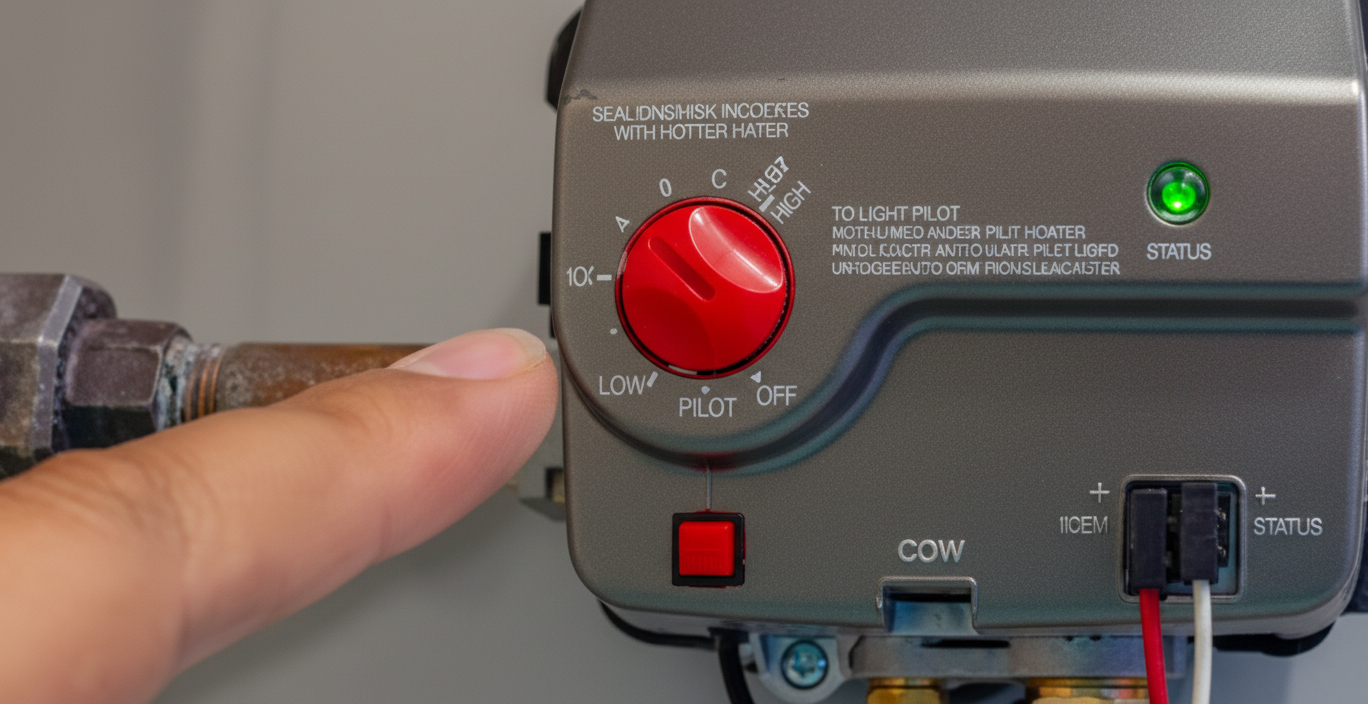
If your water heater pilot light goes out, here’s what you do. First, locate the control knob on your water heater. Turn it to the “Pilot” position and hold down the red button while you use a long lighter to ignite the pilot opening. Keep holding that button down for 30 seconds after the flame ignites so the thermocouple can heat up and signal that everything is working. Then release the button. If the flame stays on, great. If it goes right back out, stop and call for help. Don’t keep relighting it repeatedly, because you could be building up gas in the chamber, which is a safety issue. Every time you relight, you’re looking at a potential problem that needs professional assessment. A pattern of the pilot light repeatedly going out is your water heater telling you something is wrong and needs diagnosis.
- Hold the button down for at least 30 seconds after lighting the pilot
- If it won’t stay lit after one attempt, don’t keep trying to relight it
- Multiple relighting attempts suggest a problem beyond just a simple relight
Prevention Tips to Keep Your Pilot Light Burning
The best approach to pilot light problems is not having them in the first place. Most water heater issues come down to maintenance you can do or regular professional inspections that catch things early. Flushing your water heater annually removes the sediment buildup that causes so many problems. Check those access panels on your water heater twice a year to ensure they’re still secure and fit correctly. In San Marcos, monitor humidity levels in your utility space. If you notice condensation on the water heater itself, that’s a sign you need better ventilation.
Consider having a professional inspection done every other year. It’s not expensive, and they’ll spot issues before they turn into cold showers and emergency calls.
Final Thoughts
Your water heater’s pilot light going out repeatedly is telling you something needs attention. Sometimes it’s simple, like sealing a draft or cleaning a thermocouple. Sometimes it’s a sign that something inside the unit needs professional repair. The key is knowing the difference between problems you can safely handle and ones that really do require professional help. Your family’s safety and your access to hot water both depend on getting this right.
If you’re dealing with this issue in San Marcos and would rather have someone else handle it, that’s exactly what we’re here for. Woods Comfort Systems has been helping homeowners with water heater repair service in San Marcos, TX, for decades. We offer same-day service, emergency repairs 24/7, and honest diagnosis without pressure.
Call us today to schedule your professional water heater inspection. Your reliable hot water is worth it.
Whether you require installation, repair, or maintenance, our technicians will assist you with top-quality service at any time of the day or night. Take comfort in knowing your indoor air quality is the best it can be with MOE heating & cooling services Ontario's solution for heating, air conditioning, and ventilation that’s cooler than the rest.
Contact us to schedule a visit. Our qualified team of technicians, are always ready to help you and guide you for heating and cooling issues. Weather you want to replace an old furnace or install a brand new air conditioner, we are here to help you. Our main office is at Kitchener but we can service most of Ontario's cities
Source link