Plumbing problems rarely happen at a convenient time. A pipe can start leaking overnight, a toilet can overflow when guests are visiting, or a drain that has been getting slower for weeks can suddenly stop draining altogether.
For homeowners in Birmingham, Hoover, Homewood, Trussville, Vestavia Hills, and surrounding Alabama communities, knowing which plumbing problems require immediate attention—and how to reduce the chances of them happening—can help protect your home from water damage and unexpected repairs.
Some plumbing emergencies are impossible to predict, but many provide warning signs before they become urgent. Here are some of the most common plumbing emergencies in Birmingham homes, what causes them, and steps you can take to help prevent them.
1. Burst or Leaking Pipes
A leaking pipe can range from a slow drip hidden behind a wall to a major rupture that releases water rapidly into your home.
Pipe leaks can develop because of corrosion, aging plumbing, loose connections, excessive or irregular water pressure, damaged fittings, or other plumbing problems. The U.S. Environmental Protection Agency also identifies old piping, corrosion, irregular water pressure, equipment malfunctions, and improper installation among potential causes of household leaks.
The difficult part is that many leaks begin where homeowners can’t see them.
Watch for water stains on walls or ceilings, damp cabinets, musty odors, unexplained increases in your water bill, the sound of running water when fixtures are off, or areas of flooring that suddenly feel damp.
One Source offers professional leak detection and repair throughout Birmingham and surrounding communities. Its technicians can diagnose leaks behind walls, beneath slabs, above ceilings, and in water lines using tools such as acoustic detection, pressure testing, thermal imaging, and moisture meters.
How to help prevent pipe leaks
Regularly inspect accessible plumbing connections and pay attention to changes in your water bill. Don’t ignore a small leak simply because it isn’t causing obvious damage yet.
It’s also important to know where your home’s main water shutoff valve is located. If a pipe suddenly ruptures, shutting off the water quickly can help limit the amount of damage.
2. Clogged or Backed-Up Drains
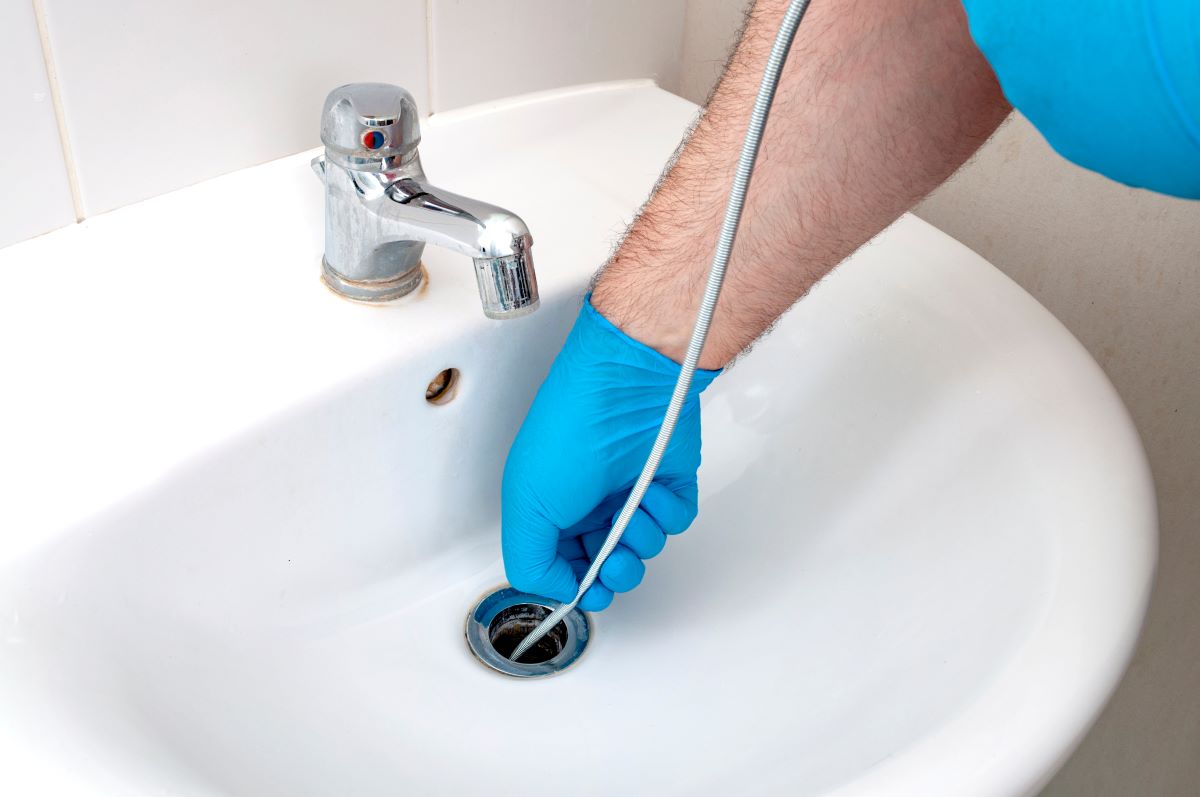
A slow drain may not seem like an emergency—until it becomes completely blocked and water begins backing up into your sink, shower, or bathtub.
Kitchen drains can accumulate grease, food particles, and other debris, while bathroom drains frequently collect hair and soap residue. Over time, buildup can restrict water flow until the drain stops working properly.
Recurring clogs can also indicate a problem farther down the drain or sewer system.
One Source provides professional drain cleaning in Birmingham for clogged indoor drains as well as sewer drain problems. The company notes that regular sewer line drain cleaning can help reduce the risk of backups that affect the interior of a home.
How to help prevent clogged drains
Be careful about what enters your plumbing system. Avoid pouring fats, oils, and grease down kitchen drains. Use drain strainers to catch food particles and hair, and don’t treat your toilet like a trash can.
Pay attention to drains that are becoming progressively slower. Addressing a developing blockage is usually preferable to waiting until wastewater is backing up into your home.
3. Overflowing Toilets
Few plumbing problems create panic as quickly as an overflowing toilet.
A toilet may overflow because of a blockage in the toilet trap or drain line, an issue with internal components, or a larger drainage problem.
If the water level begins rising after you flush, don’t flush again. If you can safely access the toilet’s shutoff valve, turn off the water supply and address the blockage before using the fixture again.
Recurring toilet clogs shouldn’t simply be treated as normal. If the same toilet continually backs up—or several fixtures are having drainage problems—the underlying issue may require professional diagnosis.
Toilets can also develop less obvious leaks. The EPA notes that toilets account for nearly 30% of an average home’s indoor water consumption and that worn flappers are a common source of toilet leaks.
A simple dye test can help identify a silent toilet leak: add a few drops of food coloring to the tank, wait about 10 minutes without flushing, and see whether color appears in the bowl. Remember to flush afterward to prevent staining. This is one of the leak-detection methods recommended by EPA WaterSense.
4. Sewer Line Backups
A sewer backup is more than an inconvenience. Wastewater backing up into a home requires prompt attention.
Warning signs can appear before a full backup occurs. You may notice several drains becoming slow at once, gurgling from toilets or drains, recurring sewer odors, or water appearing in a tub or shower when another fixture is used.
If multiple fixtures are affected, don’t assume you have several unrelated clogs. The problem may be located farther down the plumbing system.
One Source’s Birmingham drain services include both indoor drain cleaning and sewer drain cleaning, making professional diagnosis important when symptoms point to something beyond a single fixture.
How to help prevent sewer backups
Keep inappropriate materials out of toilets and drains, address recurring clogs rather than repeatedly treating the symptoms, and pay attention when several fixtures begin behaving differently at the same time.
If your home has a history of sewer or drain problems, preventive inspection or cleaning may help identify issues before you’re dealing with wastewater inside the house.
5. A Leaking or Failed Water Heater
A water heater problem can quickly become a plumbing emergency, particularly if the tank begins leaking.
Small amounts of moisture around a connection may indicate a repairable issue, but water coming directly from a corroded or damaged tank can signal that the water heater is failing.
Other warning signs include inconsistent hot water, rusty or discolored water, unusual noises, visible corrosion, or water collecting around the unit.
One Source provides water heater repair in Birmingham, including diagnosis of leaking connections, loose fittings, corroded tanks, valves, heating components, and other potential problems.
If the tank itself is deteriorated or leaking, repair may not always make sense. One Source also provides water heater installation and replacement for traditional and tankless systems.
How to help prevent water heater emergencies
Periodically inspect around your water heater for moisture or corrosion rather than waiting until there’s a puddle on the floor.
Professional maintenance can also identify sediment buildup, deteriorating components, or other problems before they result in loss of hot water or a significant leak.
6. Hidden Water Leaks
Not every plumbing emergency announces itself with water pouring across the floor.
Some of the most damaging leaks can develop behind walls, under flooring, above ceilings, or beneath a home’s slab. By the time you see obvious water damage, the leak may have been present for some time.
Possible signs include an unexplained spike in your water bill, musty odors, staining or discoloration, warm or damp areas of flooring, and the sound of water running when nothing is turned on.
The EPA reports that the average household’s leaks can waste more than 9,300 gallons of water per year, and fixing easily corrected household leaks can save homeowners about 10% on their water bills.
Homeowners can review the EPA’s guidance on finding and preventing household leaks through EPA WaterSense Home Maintenance.
A simple way to screen for a hidden leak is to check your water meter before and after a two-hour period when no water is being used. If the reading changes, the EPA says you probably have a leak somewhere in the system.
7. Broken or Leaking Fixtures and Supply Lines
Faucets, toilets, washing machines, dishwashers, and other water-using fixtures rely on connections and supply lines that can deteriorate over time.
A loose faucet connection may begin with a few drops under the sink. A failed appliance supply line, however, can release a much larger volume of water.
Make a habit of occasionally looking beneath sinks and behind accessible appliances. Watch for corrosion, cracked hoses, bulging supply lines, loose connections, or evidence of previous moisture.
The EPA recommends routinely checking water-using fixtures and appliances for visible leaks, including water heaters, washing machines, dishwashers, hose bibbs, and their connections.
Replacing a visibly deteriorated connection before it fails can be far less disruptive than dealing with a flooded room.
What Should You Do During a Plumbing Emergency?
The most important first step is to stop the source of water when it’s safe to do so.
If a fixture is overflowing, use its local shutoff valve. If a pipe has burst or you can’t identify the source, shut off the home’s main water supply if you know how to do so safely.
Next, move belongings away from the affected area and clean up accessible standing water where it is safe. If water is near electrical equipment, outlets, wiring, or a breaker panel, don’t enter the affected area or handle electrical equipment while standing in water.
Then call a professional plumber.
One Source offers 24/7 emergency service and serves Birmingham, Homewood, Hoover, Trussville, Vestavia, Center Point, Gardendale, Pelham, and other Greater Birmingham communities.
Can Plumbing Maintenance Help Prevent Emergencies?
It can’t prevent every plumbing problem, but preventive attention can reduce the chance that a minor issue turns into a major surprise.
A dripping connection, recurring slow drain, toilet that occasionally runs, or small amount of corrosion around a water heater may seem insignificant today. Those symptoms can also be early indications that something isn’t working properly.
Homeowners can reduce their risk by monitoring water bills for unexplained changes, checking accessible plumbing for leaks, keeping inappropriate materials out of drains, knowing where the main water shutoff is located, and addressing recurring plumbing symptoms instead of repeatedly applying temporary fixes.
Leak-detection technology can provide another layer of protection. The EPA notes that modern leak-detection and flow-monitoring devices can identify unusual water use or unexpected moisture, alert homeowners to potential leaks, and potentially reduce water waste and damage.
Know When to Call a Birmingham Plumber
Some plumbing issues can wait for a convenient service appointment. Others shouldn’t.
Call a professional promptly if you have an uncontrolled water leak, burst pipe, overflowing fixture you can’t stop, sewage backing up into your home, water heater leaking significantly, multiple drains backing up simultaneously, or unexplained water appearing in walls, ceilings, or flooring.
The sooner the source is identified and controlled, the better chance you have of limiting damage.
Be Prepared Before a Birmingham Plumbing Emergency Happens
The best time to think about a plumbing emergency is before you’re standing in water trying to figure out what to do.
Know where your main water shutoff valve is located. Pay attention to slow drains, unusual plumbing noises, moisture, changes in water pressure, and unexpectedly high water bills. And don’t allow a problem that keeps returning to become part of your home’s normal routine.
One Source Heating, Cooling, Plumbing & Electrical provides plumbing repair, drain cleaning, leak detection, water heater services, fixture installation, repiping, and other plumbing solutions throughout Greater Birmingham. The company also offers 24/7 emergency service when a plumbing problem can’t wait.
If you’re dealing with an urgent plumbing problem or have noticed warning signs that something isn’t right, contact One Source to schedule service.
Whether you require installation, repair, or maintenance, our technicians will assist you with top-quality service at any time of the day or night. Take comfort in knowing your indoor air quality is the best it can be with MOE heating & cooling services Ontario's solution for heating, air conditioning, and ventilation that’s cooler than the rest.
Contact us to schedule a visit. Our qualified team of technicians, are always ready to help you and guide you for heating and cooling issues. Weather you want to replace an old furnace or install a brand new air conditioner, we are here to help you. Our main office is at Kitchener but we can service most of Ontario's cities
Source link