Most homeowners don’t think about their electrical system until something goes wrong — and by then, the problem is often serious. Electrical issues are among the leading causes of house fires in the United States, yet many of the warning signs go unnoticed simply because people don’t know what to look for. At Blaze Air, we care about the safety and comfort of every home we serve.
While our expertise is in heating and cooling, we see firsthand how aging or overloaded electrical systems affect the performance of HVAC equipment and put homes at risk. Here’s what every homeowner should know about spotting electrical problems early.
1. Frequently Tripping Circuit Breakers
A circuit breaker that trips occasionally isn’t unusual — that’s exactly what it’s designed to do when a circuit is overloaded. But if you find yourself constantly resetting the same breaker, or if multiple breakers are tripping regularly, your electrical system is telling you something important.
This often means a circuit is being pushed beyond its capacity, which can be caused by too many devices on one circuit, a failing appliance drawing excess current, or outdated wiring that can’t keep up with modern power demands. Repeated tripping is a warning, not a minor inconvenience — don’t ignore it.
2. Flickering or Dimming Lights
Lights that flicker or dim — especially when you turn on an appliance like a microwave, washing machine, or HVAC system — may indicate a loose connection, an overloaded circuit, or insufficient electrical capacity coming into your home.
While a single flickering bulb is often just a loose bulb, widespread or recurring flickering points to a systemic electrical issue. Loose connections, in particular, are a fire risk because they generate heat at the point of poor contact.
3. Outlets or Switches That Are Warm to the Touch
Electrical outlets and switches should never feel warm or hot. If they do, it’s a sign of overloading, faulty wiring, or a deteriorating connection inside the wall. Discoloration around outlets — yellowing, browning, or scorch marks — is an even more serious sign that heat buildup has already occurred.
This situation warrants immediate attention from a licensed electrician. Do not continue using outlets that show these symptoms.
4. Burning Smells or Unusual Odors
A burning smell — even a faint one — coming from an outlet, switch, appliance, or electrical panel is a serious red flag. It can indicate that wiring insulation is melting, connections are arcing, or an electrical component is overheating.
If you notice a burning odor and can’t immediately identify the source, treat it as an emergency. Turn off the affected circuit at the breaker and contact a licensed electrician without delay.
5. Outdated or Two-Prong Outlets
Homes built before the 1970s may still have two-prong (ungrounded) outlets throughout. These don’t provide the grounding protection that modern three-prong outlets do, leaving your electronics and appliances vulnerable to power surges and your household at greater risk of electrical shock.
Similarly, older homes may have aluminum wiring, which expands and contracts with temperature changes and is more prone to loose connections than copper. If your home still has two-prong outlets or original wiring from several decades ago, it’s worth having a professional assessment.
6. Buzzing or Crackling Sounds
Electrical systems should be silent. If you hear buzzing, crackling, or sizzling coming from outlets, switches, your electrical panel, or inside the walls, do not dismiss it. These sounds are typically the result of arcing electricity — current jumping across a gap in a loose or damaged connection.
Arcing is one of the primary causes of electrical fires, and it can occur inside walls where you can’t see it until it’s too late.
7. An Electrical Panel That’s Overloaded or Outdated
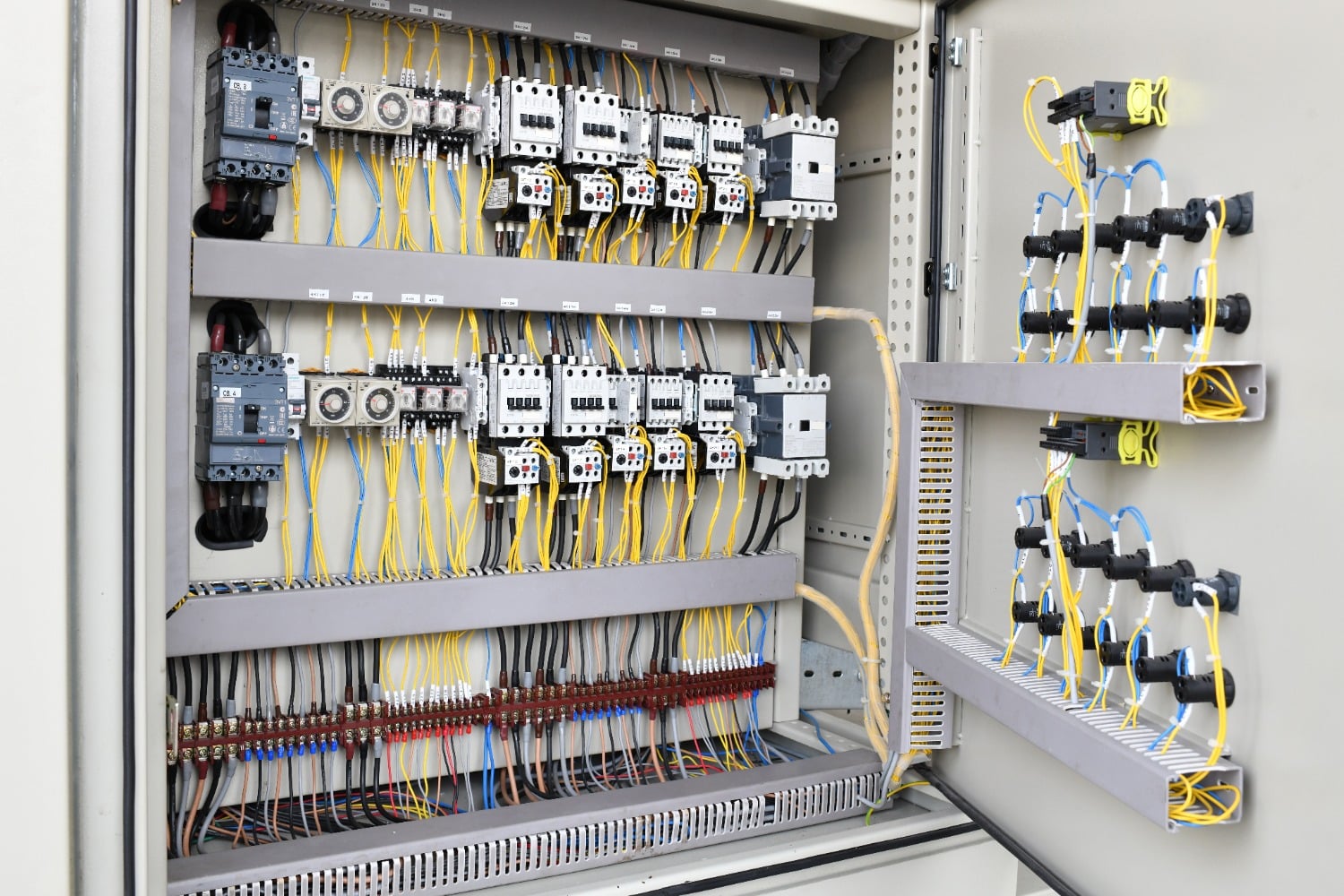
Your electrical panel is the heart of your home’s electrical system. Panels with fuses instead of breakers, panels that feel warm to the touch, panels with visible corrosion or burnt marks, or panels that are clearly maxed out with added breakers should be evaluated by a professional.
Certain panel brands from previous decades have been identified as fire hazards and may need full replacement regardless of their apparent condition.
8. Lights That Are Brighter Than Normal
While dim or flickering lights get the most attention, lights that are unexpectedly bright can be just as concerning. This can indicate a poor neutral connection, which causes uneven voltage distribution throughout your home.
Some circuits may receive too little voltage while others receive too much — which can damage sensitive electronics and appliances over time.
Electrical Safety Starts With Awareness
You don’t need to be an electrician to recognize when something isn’t right in your home. Trust your senses — if something looks wrong, smells wrong, sounds wrong, or feels wrong near an electrical component, take it seriously. Blaze Air works alongside trusted licensed electricians in our service area and is happy to help connect you with qualified professionals when electrical issues affect your home’s heating and cooling systems.
Your safety is our priority. Contact Blaze Air today if you have questions or concerns about your home systems.
Whether you require installation, repair, or maintenance, our technicians will assist you with top-quality service at any time of the day or night. Take comfort in knowing your indoor air quality is the best it can be with MOE heating & cooling services Ontario's solution for heating, air conditioning, and ventilation that’s cooler than the rest.
Contact us to schedule a visit. Our qualified team of technicians, are always ready to help you and guide you for heating and cooling issues. Weather you want to replace an old furnace or install a brand new air conditioner, we are here to help you. Our main office is at Kitchener but we can service most of Ontario's cities
Source link