By Tom Tasker
Residential heat pump technologies have advanced considerably in recent years. These innovative systems can deliver unmatched comfort and significant value for homeowners – even those located within colder climates. In fact, the National Renewable Energy Laboratory estimates that the majority of U.S. homeowners (62-95%) would see a reduction in their energy bills if they were to install a heat pump regardless of their geographic location.
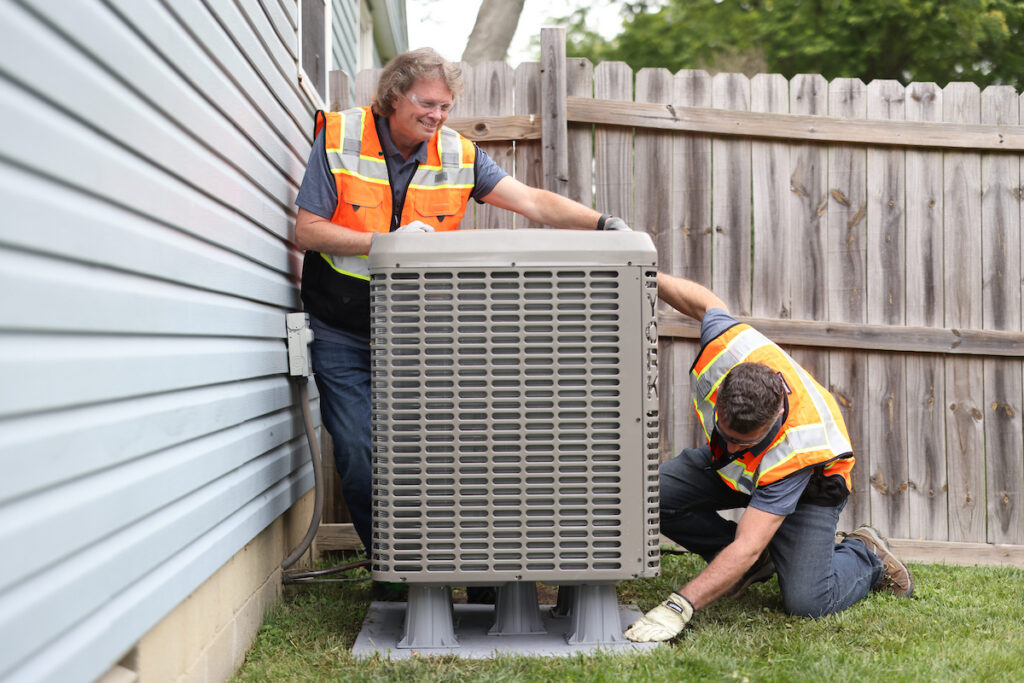
For contractors, staying well-versed in these technologies presents an opportunity to meet their customers’ desire to lower utility costs without sacrificing comfort. As a trusted resource, contractors can also benefit from the sale of these premium systems.
Engineered for capacity and efficiency
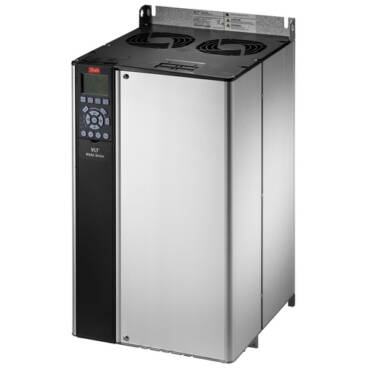
Today’s advanced heat pumps are engineered to optimize energy efficiency and increase heating capacities. Incorporating variable speed drive inverter-driven compressors can enhance both in tandem delivering a high-performance home comfort system.
Within the compressor, VSD technology continuously varies the electrical frequency to the heat pump allowing it to precisely and dynamically match the refrigerant flow rate with load demand at any given moment. Instead of cycling on and off like constant-speed equipment does, the VSD compressor operates nearly continuously but often at a fraction of its full capacity. Because it is running at a lower, modulating speed, VSD heat pumps achieve a higher coefficient of performance at part load. In comparison, single-stage heat pumps must quickly ramp-up to full capacity regardless of the heating or cooling load. These on-off cycles require more condensing power and electricity, which reduces efficiency, and in turn, can lead to increased utility bills for homeowners.
Compressors equipped with VSD enhance heat pump performance in both heating and cooling modes. In colder conditions, the modulating VSD compressor increases speed to improve heating capacity, which extends the operating range of the heat pump. This reduces the amount of time that electric heat is required to run. In all seasons, homeowners receive consistent, precise heating and cooling that is more efficient and costs less to operate.
Exploring dual-fuel systems
The Department of Energy estimates that 63% of homes in colder regions use a furnace for heating. In these zones, homeowners may benefit from a dual-fuel system, which can often be paired with an existing furnace. A dual-fuel system connects a heat pump to a furnace providing an auxiliary heat source. This combination allows homeowners to reap the energy efficiency and cost-saving benefits of an electric heat pump for most of their home comfort needs.
Within a dual-fuel system design, the heat pump and furnace are integrated through an outdoor temperature sensor wired to the heat pump and mounted on or near the coil cabinet. This allows the system to accurately maintain its predetermined setpoint. If outdoor temperatures drop below the setpoint, the system will prioritize the furnace for heating. This means the furnace only ignites when needed, to maximize efficiency and ensure reliable home comfort is maintained even during the coldest conditions.
As heat pump and dual-fuel adoption reaches new regions and climates, equipment sizing is a common challenge. Heat pumps should be sized to meet the cooling load first, even in applications where the system will also deliver heat. An undersized heat pump can fail to meet the full heating load; an oversized unit can lead to frequent cycling – both of which can reduce the system’s efficiency and performance. It is important to ensure the heat pump and furnace are designed to work together and have been tested and rated for compatibility.
Smart thermostats create fully communicating system
When paired with modern heat pumps, smart thermostats engineered around advanced control logic create a fully communicating system that delivers benefits for both homeowners and contractors. Intelligent technology allows these thermostats to auto-configure connected equipment during installation. Features like pre-calculated airflow tables and simplified airflow testing streamlines system installation while ensuring optimal performance is delivered. If service is needed, some thermostats can provide prescriptive troubleshooting and recommendations available through remote access.
Fully communicating systems also allow homeowners to leverage demand response programs that may be available through utility companies. These cost-saving programs are designed to help homeowners reduce utility bills, but require connectivity between the utility provider and the HVAC equipment. With a fully communicating system, an authorized utility provider can temporarily adjust heat pump settings in alignment with local electric grid demands. For participating, homeowners often receive an incentive, as well as reduced costs for strategically lowering their thermostat settings. When installing systems for DR programs, variable capacity heat pumps are required and AHRI standard 1380 guidelines must be followed.
A fully communicating heat pump and thermostat also ensure compliance with emerging Department of Energy 2026 Controls Verification Procedure standards. These proposed guidelines are designed to ensure residential variable capacity equipment operates to the manufacturer’s specifications. For contracts, the policy can impact equipment installation and commissioning processes. With a fully communicating system, the diagnostic tools necessary to verify performance are often built-in to simplify testing and documentation requirements.
Driving heat pump success
Contractors have always played an invaluable role in guiding homeowners’ HVAC decision-making. While c continuing to build heat pump expertise, partner with manufacturers to gain access to resources like rebate databases and homeowner financing programs. Some manufacturers may also offer specialty training that allows hands-on experience with these next-generation heat pumps before they’re in the field. By staying informed on equipment advancements and incentive programs, contractors can confidently guide customers while growing their business.
Tom Tasker is senior product manager at Bosch Home Comfort Group.
Whether you require installation, repair, or maintenance, our technicians will assist you with top-quality service at any time of the day or night. Take comfort in knowing your indoor air quality is the best it can be with MOE heating & cooling services Ontario's solution for heating, air conditioning, and ventilation that’s cooler than the rest.
Contact us to schedule a visit. Our qualified team of technicians, are always ready to help you and guide you for heating and cooling issues. Weather you want to replace an old furnace or install a brand new air conditioner, we are here to help you. Our main office is at Kitchener but we can service most of Ontario's cities
Source link