How Power Outages Affect Your Health and Safety
Power outages can threaten your health and safety in several ways, including exposure to extreme temperatures, spoiled food, unsafe water, medical equipment failure, and carbon monoxide poisoning. Families with young children, older adults, and people who rely on powered medical devices face the greatest risks during an extended outage. Most of these dangers are preventable with preparation, backup power, and a clear emergency plan.
Understanding how power outages affect your health and safety helps homeowners make informed decisions before severe weather, utility failures, or winter storms leave them without electricity.
Schedule Online
Loss of Heating and Cooling: Temperature-Related Illness
Power outages can quickly create dangerous indoor temperatures during both summer and winter. Without heating or cooling, homes can become unsafe within hours depending on weather conditions and building insulation.
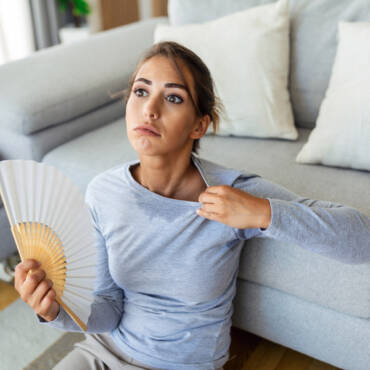
During Maryland’s humid summers, indoor temperatures can rise rapidly during a power outage in summer conditions. Heat exhaustion and heat stroke become concerns, especially for older adults, infants, and people with chronic medical conditions.
During winter outages, a power outage with no heat can expose occupants to hypothermia and increase the risk of frozen pipes. Even short outages can create problems when temperatures drop below freezing.
The most vulnerable groups include:
- Older adults
- Infants and young children
- People with heart or respiratory conditions
- Individuals with limited mobility
- Anyone taking medications affected by heat
Food and Water Safety During an Outage
Food safety during a power outage becomes a concern sooner than many homeowners realize. According to the FDA, refrigerated and frozen food can spoil quickly once temperatures begin rising.
| Storage Situation | How Long Food Stays Safe |
|---|---|
| Refrigerator (door kept closed) | About 4 hours |
| Full freezer (door kept closed) | About 48 hours |
| Half-full freezer (door kept closed) | About 24 hours |
| Perishables above 40°F for 2+ hours | Discard — do not taste |
When in doubt, throw it out. Foods commonly discarded after a prolonged refrigerator power outage include:
- Meat and poultry
- Milk and dairy products
- Eggs
- Cooked leftovers
- Soft cheeses
- Prepared foods
Water can become a concern as well. Homes with private wells often lose running water when power fails. Basement flooding from sump pump failures can introduce contamination, and local authorities may issue boil-water advisories after severe storms.
Medical Equipment and Medication Risks
Power outage medical equipment failures can create life-threatening situations for some households. Many essential devices rely entirely on electricity to function.
Examples include:
- Oxygen concentrators
- CPAP and BiPAP machines
- Home dialysis equipment
- Electric wheelchairs
- Stairlifts
- Mobility equipment
Certain medications require refrigeration to remain effective. Insulin power outage concerns are especially important because temperature fluctuations can reduce medication effectiveness.
Preparation steps include:
- Maintaining charged backup batteries
- Using approved medication coolers
- Registering with utility medical-priority programs
- Keeping emergency contact information accessible
- Planning for backup power during extended outages
Carbon Monoxide and Fire Hazards
Carbon monoxide poisoning is one of the most serious dangers of a power outage. Improper generator use causes preventable injuries and deaths every year during severe weather events.
Portable generators should only operate outdoors, at least 20 feet away from doors, windows, and vents. Never run a generator indoors, in a garage, basement, crawl space, or enclosed porch.
Additional outage-related hazards include:
- Indoor charcoal grills
- Camp stoves used for heating
- Fuel-burning appliances operated indoors
- Excessive candle use
Working smoke alarms and a carbon monoxide detector with battery backup provide critical protection during outages.
Other Safety Risks: Security, Communication, and Flooding
Power outage safety risks extend beyond temperature and food concerns. Modern homes depend on electricity for communication, security, and flood prevention.
Common issues include:
- Security systems losing functionality
- Electric locks failing
- Internet and phone service interruptions
- Limited access to emergency information
- Traffic hazards from disabled signals
Homes with sump pumps face additional concerns. A sump pump power outage can quickly lead to basement flooding during heavy rain. If flooding occurs repeatedly, professional sump pump repair may be necessary once power is restored.
Electrical surges frequently occur when utility power returns. Whole-home surge protection can help reduce the risk of damage to electronics and appliances during restoration events.
How to Protect Your Family During a Power Outage
Power outage preparedness significantly reduces health and safety risks. Having a plan before an emergency occurs helps families respond more effectively.
Recommended preparedness steps include:
- Keep flashlights and extra batteries available.
- Avoid using candles whenever possible.
- Maintain working smoke and carbon monoxide alarms.
- Store emergency drinking water.
- Keep shelf-stable food supplies.
- Maintain backup batteries for critical devices.
- Create a medication storage plan.
- Plan for children, older adults, and pets.
- Charge phones before severe weather arrives.
- Consider reliable backup power options.
| Risk | Most Vulnerable | How to Protect |
|---|---|---|
| Heat exhaustion / heat stroke | Older adults, infants, chronic illness | Backup cooling, hydration, cooling centers |
| Hypothermia / frozen pipes | Older adults, infants | Backup heat, layers, let faucets drip |
| Food spoilage / illness | Everyone | Keep doors closed; discard after FDA limits |
| Medical equipment failure | Equipment-dependent patients | Device batteries, standby generator, utility medical registry |
| Carbon monoxide poisoning | Everyone | Run generators outdoors only; working CO detectors |
| Basement flooding | Homes with sump pumps | Battery-backup pump or standby generator |
How a Standby Generator Protects Your Health and Safety
A whole-home standby generator restores power automatically within seconds of an outage, helping eliminate many of the health and safety risks associated with prolonged electrical interruptions. Backup power keeps HVAC systems running, preserves refrigerated food and medications, powers medical equipment, and maintains sump pump operation.
Unlike portable generators, permanently installed standby systems operate automatically and safely outside the home. A whole-home generator provides reliable protection during severe weather, utility failures, and winter storms.
GAC Services provides generator installation services throughout Montgomery County. As a family-owned company serving Maryland homeowners since 1970, our licensed electricians help homeowners evaluate backup power options that fit their needs and budgets.
Schedule Online or call (240) 224-0192 to learn more about backup power solutions.
Schedule Online
Whether you require installation, repair, or maintenance, our technicians will assist you with top-quality service at any time of the day or night. Take comfort in knowing your indoor air quality is the best it can be with MOE heating & cooling services Ontario's solution for heating, air conditioning, and ventilation that’s cooler than the rest.
Contact us to schedule a visit. Our qualified team of technicians, are always ready to help you and guide you for heating and cooling issues. Weather you want to replace an old furnace or install a brand new air conditioner, we are here to help you. Our main office is at Kitchener but we can service most of Ontario's cities
Source link