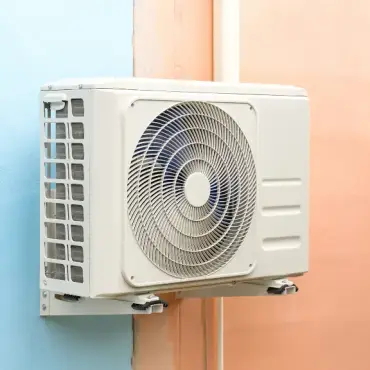
Before buying a home or starting a renovation, homeowners should evaluate the HVAC system’s age, condition, efficiency, and sizing. A professional inspection can identify hidden issues, prevent expensive repairs, and ensure the system can properly support the home’s current or future needs.
Many home buyers focus on kitchens, roofing, and cosmetic upgrades while overlooking one of the most expensive systems in the house: the HVAC system. Renovations and home additions can also place unexpected strain on heating and cooling equipment that was never designed to handle expanded living space. Without proper evaluation, homeowners may face costly repairs, uneven comfort, or full system replacement shortly after moving in or remodeling. A professional HVAC evaluation before purchasing or remodeling can help you avoid unexpected costs and ensure long-term comfort.
Christian Heating, Cooling, Plumbing and Electrical provides professional HVAC inspections, system evaluations, and upgrade recommendations for homeowners buying, remodeling, or expanding their homes. Schedule an inspection through the contact page or call us.
Why HVAC Matters When Buying a Home or Renovating
The HVAC system is one of the largest and most expensive mechanical systems in any home. Poor system condition, outdated equipment, or incorrect sizing can lead to higher utility bills, uneven comfort, and expensive replacement costs, especially after renovations or home additions increase heating and cooling demands.
HVAC Problems Can Be Expensive
Major HVAC issues may involve:
- Full system replacement
- Ductwork modifications
- Electrical upgrades
- Poor airflow corrections
Renovations Change HVAC Demands
Adding square footage, opening floor plans, or finishing basements can alter how air moves throughout the home and increase heating and cooling requirements.
Comfort and Efficiency Depend on Proper Planning
A properly sized and maintained HVAC system helps ensure:
- Consistent temperatures
- Better energy efficiency
- Improved indoor air quality
- Lower long-term operating costs
Ignoring HVAC planning early often leads to expensive changes later.
HVAC Checklist for Home Buyers
Before buying a home, homeowners should evaluate the HVAC system’s age, maintenance history, efficiency, airflow, and overall condition. A professional HVAC inspection can identify hidden problems that may not appear during a standard home inspection.
HVAC Home Buyer Checklist
| What to Check | Why It Matters |
| System age | Predicts replacement timeline |
| Airflow | Indicates system performance |
| Filter condition | Suggests maintenance quality |
| Noise or odors | May signal repair issues |
| Utility bills | Indicates efficiency |
Check the System Age
Most HVAC systems last:
Older systems may still function but could require replacement sooner than expected.
Ask About Maintenance History
Well-maintained systems often last longer and operate more efficiently.
Look for evidence of:
- Seasonal tune-ups
- Filter replacement
- Repair documentation
Evaluate Airflow and Comfort
Uneven temperatures, weak airflow, or noisy operation may indicate:
- Ductwork problems
- Aging equipment
- Improper sizing
- Airflow restrictions
Watch for Warning Signs
Potential red flags include:
- Rust or corrosion
- Water leaks
- Strange smells
- Loud startup noises
- Excess dust buildup
Before buying a home, schedule an HVAC inspection to avoid costly surprises.
Christian HVAC provides professional HVAC inspection services for homeowners evaluating existing systems before purchase.
Signs the HVAC System May Need Replacement Soon
An HVAC system nearing the end of its lifespan often shows warning signs such as rising energy bills, uneven temperatures, frequent repairs, or declining performance. Identifying these issues before purchasing a home can help homeowners avoid major unexpected expenses.
Common Signs Replacement May Be Needed
System Over 10–15 Years Old
Older systems are typically less efficient and more prone to breakdowns.
Frequent Repairs
Repeated service calls often indicate major components are wearing out.
Uneven Temperatures
Poor airflow and inconsistent comfort may signal sizing or ductwork issues.
High Utility Bills
Declining efficiency often causes energy costs to rise significantly.
Why This Matters for Buyers
A home may appear move-in ready while hiding HVAC problems that require thousands of dollars in repairs or replacement shortly after purchase.
Questions to Ask Before Buying a Home With an Existing HVAC System
Asking the right HVAC questions before buying a home helps protect homeowners from hidden repair costs and future comfort problems. Sellers may not always disclose the full condition or maintenance history of the system.
Important Questions to Ask
- How old is the HVAC system?
- Has the system been regularly maintained?
- When was the last major repair completed?
- Is the system properly sized for the home?
- Are warranties transferable?
- Has any ductwork been modified?
- Are maintenance records available?
Why These Questions Matter
The answers may help reveal:
- Potential replacement timelines
- Efficiency concerns
- Prior system problems
- Future repair risks
A professional HVAC inspection often provides clearer answers than seller disclosures alone.
HVAC Considerations During Renovations and Home Additions
Home renovations and additions often increase heating and cooling demands that existing HVAC systems were not designed to handle. Planning HVAC updates early helps homeowners avoid airflow issues, uneven temperatures, and expensive post-construction changes.
Renovations Affect HVAC Performance
Changes that commonly impact HVAC systems include:
- Added square footage
- Open floor plans
- Finished basements
- Room additions
- Window replacements
Existing Systems May Become Undersized
A system designed for the original home layout may struggle after expansion.
This can lead to:
- Weak airflow
- Hot and cold spots
- Constant HVAC runtime
- Reduced efficiency
Ductwork May Need Modification
Renovations frequently require:
- New supply vents
- Return air adjustments
- Duct resizing
- Zoning improvements
Planning HVAC updates before a renovation helps avoid comfort issues and expensive changes later.
Christian HVAC can evaluate whether your existing system can properly support your renovation plans.
Will Your Current HVAC System Handle a Home Addition?
Many existing HVAC systems cannot efficiently support home additions without upgrades or modifications. Larger living spaces increase heating and cooling demands, which may overwhelm older or undersized systems.
Signs Your System May Be Undersized
Uneven Temperatures
Rooms farthest from the HVAC system may struggle to stay comfortable.
Weak Airflow
Insufficient airflow often becomes more noticeable after adding square footage.
Constant System Operation
The system may run continuously while still struggling to maintain temperature.
Potential Solutions
Depending on the home, solutions may include:
- HVAC system upgrades
- Ductwork modifications
- Zoning systems
- Supplemental mini-split systems
Professional load calculations help determine whether the current system can handle the additional demand.
Common HVAC Mistakes During Renovations
HVAC problems during remodeling projects are often caused by poor planning, incorrect system sizing, or overlooked ductwork changes. These mistakes can increase project costs and create long-term comfort issues.
Common HVAC Renovation Mistakes
Ignoring Existing Ductwork
Old ductwork may not support the new home layout efficiently.
Choosing the Wrong System Size
Oversized or undersized systems reduce efficiency and comfort.
Blocking Vents
Furniture placement, design changes, or construction modifications may restrict airflow.
Delaying HVAC Planning
Waiting until late in the project often increases installation complexity and costs.
Why Early HVAC Planning Saves Money
Addressing HVAC needs early helps avoid:
- Expensive redesigns
- Construction delays
- Comfort complaints
- Additional labor costs
Should You Upgrade Your HVAC System During a Remodel?
A remodel often creates the ideal opportunity to upgrade aging HVAC equipment because contractors already have access to walls, ductwork, and system components. Upgrading during renovations may improve efficiency, comfort, and long-term home value.
Benefits of HVAC Upgrades During Remodeling
Improved Energy Efficiency
Modern systems typically use less energy while delivering better performance.
Better Comfort
Upgrades may improve:
- Airflow
- Temperature consistency
- Humidity control
Smart Thermostat Integration
Modern systems often work more effectively with programmable and smart thermostat technology.
Indoor Air Quality Improvements
Renovation projects also create opportunities to add:
- Air purification systems
- Better filtration
- Humidity control systems
Our team can evaluate your HVAC system and recommend the right upgrades for your home.
Christian HVAC also provides professional indoor air quality solutions designed to improve comfort after remodeling projects.
How Much Do HVAC Upgrades or Replacements Cost?
HVAC inspection, upgrade, and replacement costs vary depending on the size of the home, equipment involved, ductwork modifications, and renovation complexity. Larger remodels often require more extensive HVAC adjustments.
Typical HVAC Upgrade Costs
| Service | Typical Cost Range |
| HVAC inspection | $100 – $500 |
| Ductwork modifications | $1,000 – $5,000+ |
| HVAC replacement | $7,000 – $15,000+ |
| Smart thermostat upgrade | $300 – $800+ |
What Affects HVAC Project Costs?
Costs often depend on:
- Home size
- Existing system condition
- Ductwork accessibility
- Efficiency upgrades
- Electrical modifications
Why Early Evaluation Saves Money
Addressing HVAC concerns before construction begins often reduces:
- Change orders
- Installation delays
- Future repair costs
Planning a renovation? We can help determine whether your current system can handle the changes.
Christian HVAC also provides professional HVAC replacement services for homeowners upgrading outdated equipment.
Why Professional HVAC Evaluations Are Worth It
Professional HVAC evaluations help homeowners identify hidden issues, improve planning accuracy, and avoid expensive surprises during home purchases or renovations. A thorough inspection often reveals problems that general home inspections may overlook.
What Professional HVAC Evaluations Can Identify
Hidden Repair Issues
Technicians may uncover:
- Refrigerant leaks
- Airflow restrictions
- Electrical concerns
- Aging components
Incorrect System Sizing
Improperly sized systems often struggle with comfort and efficiency.
Ductwork Problems
Leaks, poor airflow, or outdated duct systems may reduce HVAC performance significantly.
Why Evaluations Protect Your Investment
Professional inspections help homeowners:
- Budget accurately
- Avoid surprise repairs
- Improve long-term efficiency
- Protect renovation investments
Our team can evaluate your HVAC system before you buy or remodel so you can make informed decisions with confidence.
When to Call an HVAC Professional
Homeowners should contact an HVAC professional before purchasing older homes, adding square footage, planning major renovations, or experiencing uneven comfort and airflow issues. Early HVAC planning helps avoid costly system problems later.
Situations That Require Professional HVAC Evaluation
- Buying an older home
- Planning a room addition
- Remodeling major living spaces
- Experiencing uneven temperatures
- Upgrading insulation or windows
- Replacing aging HVAC equipment
Why Professional Guidance Matters
HVAC systems involve:
- Load calculations
- Airflow balancing
- Electrical systems
- Ventilation planning
- Equipment sizing
Professional evaluations help ensure your home remains comfortable and energy efficient after changes are complete.
If you’re buying a home or planning a renovation, our technicians can inspect your HVAC system and recommend the best solutions for long-term comfort and efficiency.
Schedule your consultation today through the Christian HVAC contact page or call us.
Christian HVAC also provides professional HVAC maintenance services to help homeowners protect existing systems and extend equipment lifespan.
Frequently Asked Questions About HVAC Inspections and Renovations
Should HVAC be inspected before buying a house?
Yes. An HVAC inspection can uncover hidden problems, estimate remaining system lifespan, and help buyers avoid unexpected repair costs.
How old is too old for an HVAC system?
Most air conditioners and heat pumps last around 10–15 years, while furnaces typically last 15–20 years depending on maintenance and usage.
Can my current HVAC system handle an addition?
Possibly, but many systems become undersized after adding square footage. A professional load calculation helps determine whether upgrades are needed.
Should I replace HVAC during a remodel?
If the system is aging, inefficient, or undersized, remodeling often provides a cost-effective opportunity for replacement or upgrades.
How much does an HVAC inspection cost?
Professional HVAC inspections typically range from $100 to $500 depending on the scope of evaluation.
What should first-time home buyers check?
Buyers should evaluate system age, maintenance history, airflow, utility costs, filter condition, and signs of repairs or poor performance.
Do renovations affect indoor air quality?
Yes. Remodeling projects often increase dust, airflow changes, and ventilation demands, which may require filtration or indoor air quality improvements.
Whether you require installation, repair, or maintenance, our technicians will assist you with top-quality service at any time of the day or night. Take comfort in knowing your indoor air quality is the best it can be with MOE heating & cooling services Ontario's solution for heating, air conditioning, and ventilation that’s cooler than the rest.
Contact us to schedule a visit. Our qualified team of technicians, are always ready to help you and guide you for heating and cooling issues. Weather you want to replace an old furnace or install a brand new air conditioner, we are here to help you. Our main office is at Kitchener but we can service most of Ontario's cities
Source link