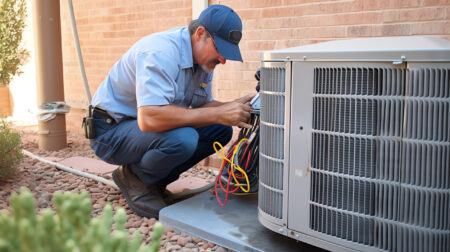
Low refrigerant in an HVAC system is almost always caused by a leak, not by “using up” refrigerant. Refrigerant is fully contained in your system and circulates in a sealed loop, so any drop in level means something is wrong and needs professional repair.
There are many things that cause refrigerant leaks. Some causes may be repairable, but many causes require a component replacement. It is very important to determine the source or component causing the leak.
Refrigerant Leaks (Most Common Cause)
Refrigerant escapes when the sealed copper tubing or coil develops fissures, hairline cracks or a joint fails. Common leak points include:
- Evaporator coils (corrosion, formicary corrosion)
- Line‑set connections (loose fittings, vibration)
- TXV (Thermal Expansion Valve), Service valves (either failed component or leak at fitting)
- Condenser or evaporator coil joints
Leaks are the primary reason refrigerant levels fall.
Factory Defects
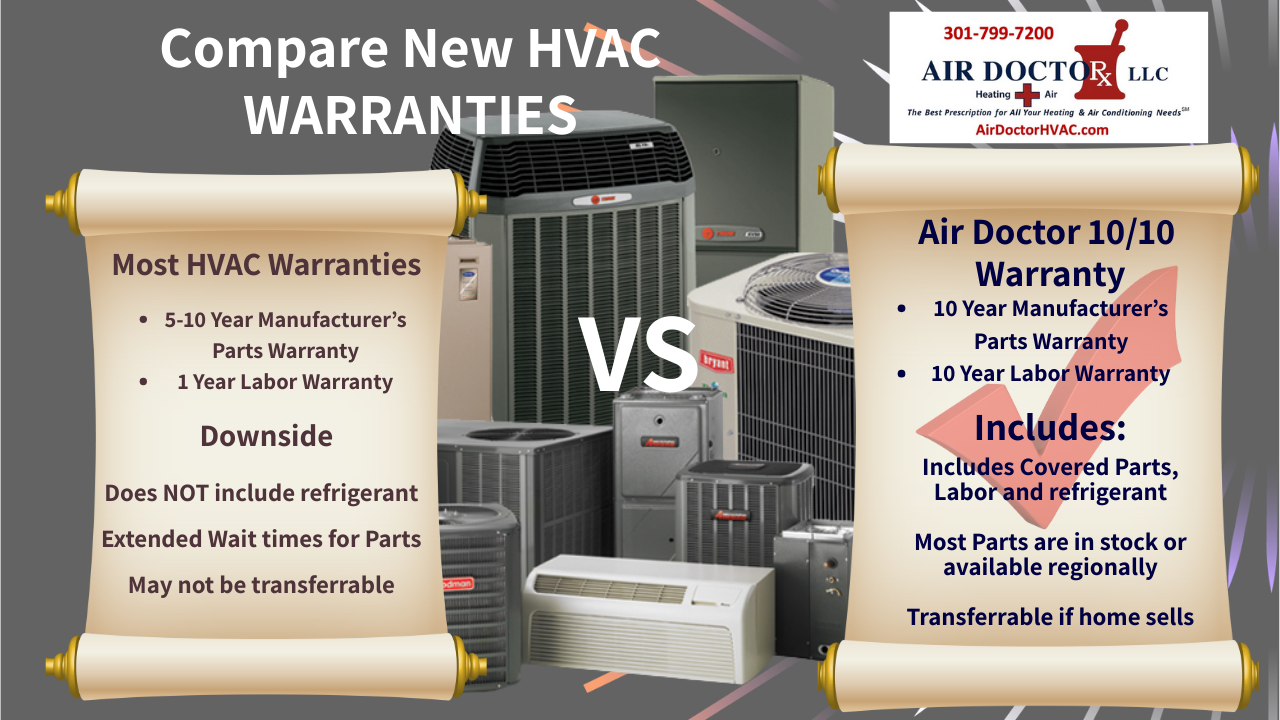
Improper brazing, weak solder joints, or manufacturing flaws can allow refrigerant to escape over time. A good manufacturer’s warranty may cover some or all the expense so it is important to check your system’s warranty if your system is ten years old or less. Many manufacturers have online warranty lookup, with the serial number (from the unit’s data plate) you can lookup your warranty.
Installations may only include a five year or less warranty unless the system warranty or extended warranty is purchased. Air Doctor Heating and Air offers ten year parts plus ten year labor warranties on new installations which include refrigerant.

Corrosion of Copper Lines or Coils
 Formicary corrosion of coils, components and lines is relatively common. It is a generally a rapid, localized degradation of copper due to a chemical reaction involving the copper, water, refrigerant, oxygen and organic acids. The organic acids commonly originate from volatile organic compounds (VOCs) which are found in insulation, particle board, pressed wood, adhesives, paints, solvents, etc.
- Indoor evaporator coils can develop formicary corrosion, creating tiny pinholes.
- Outdoor lines can corrode due to environmental exposure. Corrosion is a well‑documented cause of refrigerant loss.
Physical/ Mechanical Damage
- Vibrations from the compressor
- Accidental damage to the line set
- Kinks or cracks in copper tubing. Physical damage can open the sealed refrigerant loop.
Aging System Components
Over time, metal fatigue, worn seals, and weakened joints increase the likelihood of leaks.
Older systems are more prone to refrigerant loss.
Low refrigerant in an HVAC system causes weak performance in cooling, longer run times, and often visible icing on the refrigerant lines or evaporator coil. These symptoms show up quickly in humid summers because the system struggles to remove heat and moisture efficiently.
 1. Frozen Evaporator Coil
When refrigerant is too low, the coil gets too cold and moisture freezes on it. This is one of the most common signs.
2. Ice on the Refrigerant Suction Line
The large copper line near the outdoor unit may frost or ice over. This happens because the evaporator coil temperature drops below freezing.
3. Warm Air Blowing From Vents
Instead of cool air, the system may blow lukewarm or even warm air because it can’t absorb enough heat. This is a classic early warning sign.
4. Longer Cooling Cycles / Constant Running
The AC runs much longer than normal because it struggles to reach the thermostat setpoint.
This increases energy bills and wear on the system.
5. Hissing or Bubbling Sounds
These noises often indicate a refrigerant leak, which is the only real cause of low refrigerant.
Leaks can occur in coils, line sets, or fittings.
6. Low Compressor Amp Draw or Failure to Start
Low refrigerant reduces the load on the compressor, sometimes causing low amp readings or preventing the compressor from turning on at all.
7. Reduced Cooling Performance Overall
Rooms feel warmer, humidity rises, and the system simply doesn’t keep up.
This is often the first thing homeowners notice.
If you notice any of these symptoms, do not keep running the system if ice is present, take the system off cooling mode (from the thermostat and place it in fan mode) or shut it off to prevent compressor damage.
 Have a licensed HVAC technician perform a leak search. Refrigerant does not get “used up”; a leak is always the cause.
- Fix the leak before adding refrigerant. Topping off without repair is temporary and can shorten system life.
Contact Us at Air Doctor Heating and Air, Call or Text us at 301-799-7200

Whether you require installation, repair, or maintenance, our technicians will assist you with top-quality service at any time of the day or night. Take comfort in knowing your indoor air quality is the best it can be with MOE heating & cooling services Ontario's solution for heating, air conditioning, and ventilation that’s cooler than the rest.
Contact us to schedule a visit. Our qualified team of technicians, are always ready to help you and guide you for heating and cooling issues. Weather you want to replace an old furnace or install a brand new air conditioner, we are here to help you. Our main office is at Kitchener but we can service most of Ontario's cities
Source link