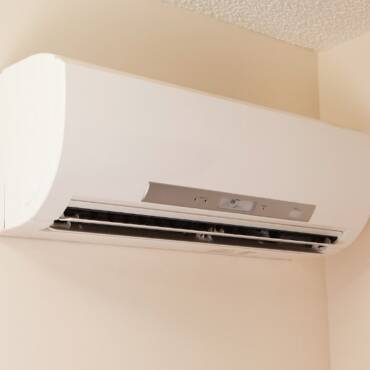
Living on the Colorado Western Slope, I see how much the climate shifts from cool mountain nights in Aspen and Vail to warmer afternoons in the Glenwood Springs and Rifle valleys. Those swings make your heating choice a big deal. Homeowners often ask me whether a hydraulic water system—more commonly called hydronic heating—beats a traditional heating setup like a forced-air furnace. Here is a clear, no-nonsense breakdown to help you decide.
What Do We Mean by “Hydraulic Water” Heating?
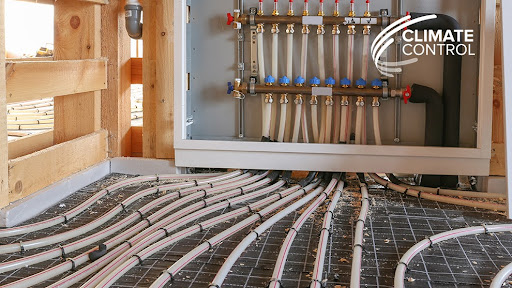
When people say hydraulic water or hydraulic heating, they usually mean hydronic heating—moving heated water through pipes to warm your home. A boiler heats the water, then circulates it through tubing in floors (radiant heating), baseboards, or radiators. The result is even, quiet warmth.
Closed-Loop vs. Open-Loop Systems
- Closed-loop system: The water circulates in a sealed loop between the boiler and emitters. It is efficient, quiet, and low-maintenance for most Western Slope homes.
- Open-loop system: Domestic hot water and space heating share a loop. While it can work, we generally recommend closed-loop hydronic designs for better comfort control and water quality.
Traditional Heating: What Most Homes Use
Traditional usually means a forced-air furnace paired with ductwork. The furnace heats air and a blower pushes that air through supply registers. It is common, familiar, and often less expensive to install in homes that already have ducts.
Comfort: How Each System Feels
Hydronic/Radiant Heating
I love how radiant heating warms surfaces—especially floors. On a January morning in Glenwood Springs, stepping onto a warm floor just feels better. The heat is steady and even, with fewer cold spots. You also avoid the dry, drafty feeling that some forced-air systems create in high-altitude, semi-arid conditions.
Forced-Air Heating
Forced-air systems can heat a space fast, which is handy during shoulder seasons when temperatures jump between day and night. With modern zoning and smart controls, you can direct heat to active areas quickly. If you plan to add cooling, a furnace-plus-AC or heat pump can share the same ductwork for year-round comfort.
Efficiency and Operating Costs
- Hydronic/hydraulic water system: Boilers have excellent efficiency options, including modulating, condensing models that sip fuel while maintaining steady temps. Radiant floors allow lower water temperatures, which boosts efficiency. In colder mountain zones like Aspen or Vail, that steady, gentle heat helps reduce over-cycling and energy waste.
- Traditional forced-air: High-efficiency furnaces and modern heat pumps perform very well, too. If your ducts are tight and well-insulated, a furnace can be a cost-effective solution, especially in lower valleys where winters are milder and summers run hot.
Air Quality and Noise
- Hydronic heating: No blowing air means fewer dust and allergen movements. It is whisper-quiet—perfect for bedrooms and home offices.
- Forced-air: Integrate filtration and IAQ add-ons to improve indoor air quality, but you may still notice airflow noise and occasional drafts.
Installation Realities in Western Slope Homes
- New builds or major remodels: A hydronic heating plan shines. We can lay radiant tubing in slabs or under subfloors and design room-by-room zoning. In high-elevation homes, it is a favorite for spa-level comfort.
- Retrofits with existing ducts: If your home already has ductwork—or you want one system to handle both heating and cooling—a high-efficiency furnace or heat pump often pencils out better. We can still improve comfort with duct sealing, zoning, and smart thermostats.
Cold-Climate Performance and Zoning
Mountain communities experience colder snaps and longer heating seasons. Closed-loop hydronic systems deliver stable temperatures and room-by-room control that reduce swings. In the valleys—Glenwood Springs, New Castle, and beyond—winters are still real, but summers can be hot. A traditional system with ducted cooling can be a smart, versatile choice.
Costs: Upfront vs. Lifetime Value
- Hydraulic water (hydronic) systems: Typically higher upfront cost, especially with radiant floors, but outstanding comfort and strong long-term value.
- Traditional heating: Often lower initial investment, with many high-efficiency options. When paired with a ducted AC or heat pump, you gain year-round use of the same distribution network.
Hydraulic Water Heating vs. Traditional Forced-Air
Choose hydronic/hydraulic water heating if you want:
- Silent, even radiant heating and warm floors
- Superior comfort in cold mountain zones
- Flexible zoning with a closed-loop system
- Great efficiency with a modern boiler
Choose traditional forced-air if you want:
- Lower upfront cost with existing ductwork
- Faster temperature changes
- One distribution for both heating and cooling
- Easy add-ons for filtration and ventilation
How Climate Control Company Helps
At Climate Control Company, we are employee-owned, and we take pride in our quality, integrity, and honesty. Our team receives ongoing training in business fundamentals, service techniques, and up-to-date installation practices. Whether you prefer a hydraulic water system, classic hydronic heating, or an advanced traditional heating setup, we tailor the design to fit the Western Slope’s unique climate—from cool summer mountain nights to warmer valley afternoons.
Heating System Installation Glenwood Springs, CO
If you are building, remodeling, or replacing aging equipment, let us size and design the right solution for your home and lifestyle. We will walk you through closed-loop vs. open-loop choices, boiler options, zoning strategies, and whether a ducted system or radiant heating is the better fit.
Let’s make your Glenwood Springs, Aspen, or Vail home comfortable and efficient—season after season. Contact Climate Control Company today to schedule a no-pressure consultation and personalized estimate.
Whether you require installation, repair, or maintenance, our technicians will assist you with top-quality service at any time of the day or night. Take comfort in knowing your indoor air quality is the best it can be with MOE heating & cooling services Ontario's solution for heating, air conditioning, and ventilation that’s cooler than the rest.
Contact us to schedule a visit. Our qualified team of technicians, are always ready to help you and guide you for heating and cooling issues. Weather you want to replace an old furnace or install a brand new air conditioner, we are here to help you. Our main office is at Kitchener but we can service most of Ontario's cities
Source link