October in the Pacific Northwest brings a distinct shift in the air. As the damp, chilly days start settling into Skagit Valley, your furnace shifts from an occasional backup to the most important system in your home.
Before the chilly weather fully takes hold, taking a few minutes to inspect your heating system can save you from a cold night and an emergency service call.
Here are seven quick things to check to make sure your furnace is ready for the months ahead.
Swap Out Your Air Filter
A dirty, clogged air filter restricts airflow, forcing your furnace to work significantly harder to warm your home. This extra strain lowers efficiency, raises utility costs, and can even cause the system to overheat and shut down. Checking and replacing your filter is one of the easiest ways to keep your system running smoothly.
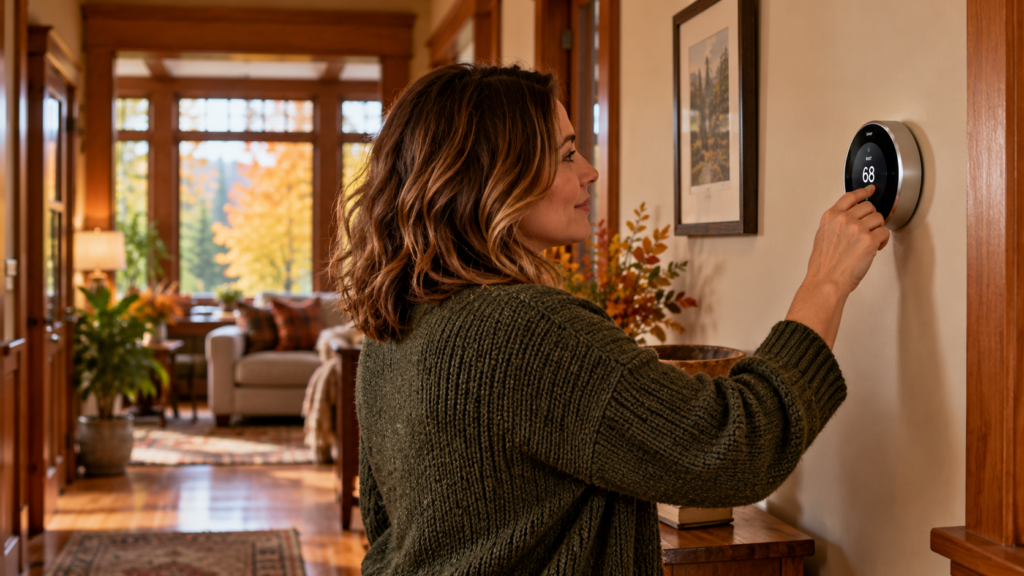
Test Your Thermostat Settings
Switch your thermostat over to heating mode and set the temperature a few degrees above the current room temperature. Listen for the furnace to kick on and verify that warm air begins flowing from the vents within a couple of minutes. If the system hesitates or responds inconsistently, it could point to a calibration or wiring issue.
Clear Air Vents and Return Grilles
Walk through your home to ensure all supply vents and return air grilles are open and unobstructed by furniture, drapes, or rugs. Blocked vents disrupt the air balance throughout your home, leading to uneven heating and unnecessary strain on the blower motor.
Inspect the Area Around Your Furnace
Furnaces need room to breathe. Clear away any items stored around your heating unit, especially flammable materials like paint, cardboard boxes, cleaning products, or yard equipment. Keeping a clear perimeter around the furnace prevents fire hazards and allows technicians easy access.
Check the Exhaust Vent and Flue
Make sure the exterior intake and exhaust pipes are clear of leaves, bird nests, and other debris. Blocked exhaust lines can cause dangerous gases, including carbon monoxide, to build up inside your home.
Test Your Smoke and Carbon Monoxide Detectors
Because fuel-burning heating systems carry a risk of carbon monoxide leaks if components wear down, functioning safety alarms are essential. Test every smoke and carbon monoxide detector in your home and replace the batteries if you haven’t done so recently.
Listen for Unusual Noises
When your furnace starts up, pay attention to how it sounds. While a soft humming or airflow noise is normal, loud banging, rattling, squealing, or scraping sounds indicate loose or worn mechanical parts that need professional attention.
The Best Step: Schedule a Professional Tune-Up with Foss
Checking these basics is a great start, but some components, like the heat exchanger, burner assembly, ignition system, and electrical connections, require an experienced technician to inspect safely.
A seasonal tune-up catches minor wear and tear before it leads to a mid-winter breakdown, ensuring your furnace operates safely and efficiently all season long. If you haven’t scheduled your heating maintenance yet, now is the ideal time. Reach out to Foss Heating & Cooling to get your system prepped and ready for a comfortable winter.
Whether you require installation, repair, or maintenance, our technicians will assist you with top-quality service at any time of the day or night. Take comfort in knowing your indoor air quality is the best it can be with MOE heating & cooling services Ontario's solution for heating, air conditioning, and ventilation that’s cooler than the rest.
Contact us to schedule a visit. Our qualified team of technicians, are always ready to help you and guide you for heating and cooling issues. Weather you want to replace an old furnace or install a brand new air conditioner, we are here to help you. Our main office is at Kitchener but we can service most of Ontario's cities
Source link