
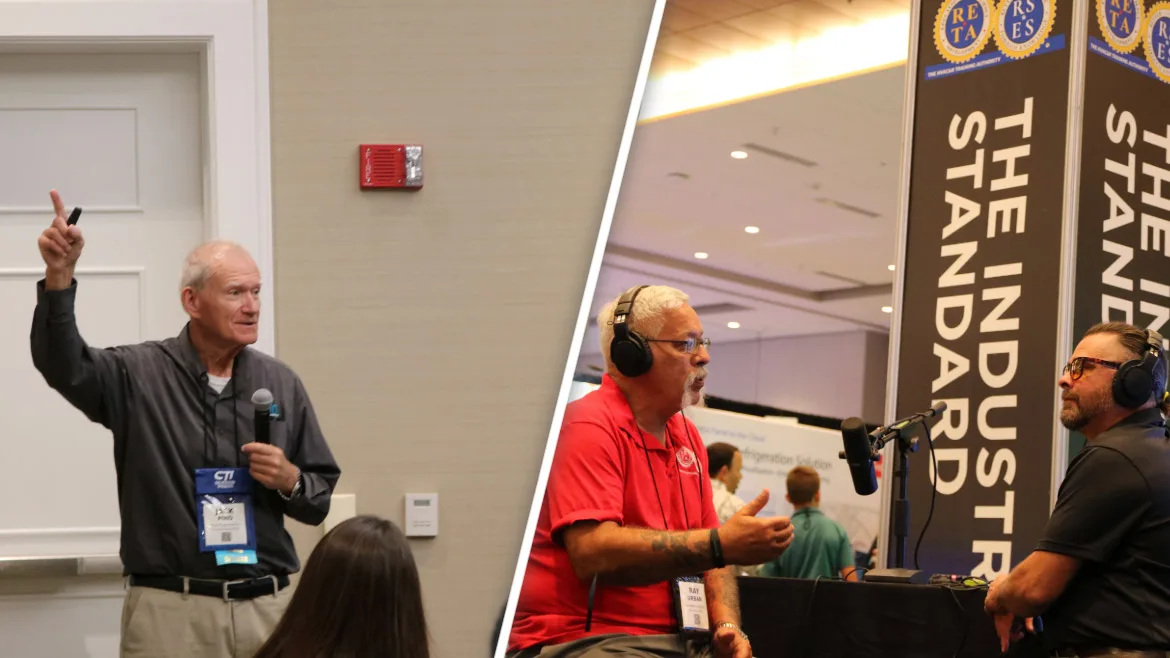
An experienced refrigeration operator may know how to drain an oil pot without consulting a procedure. When OSHA asks, Brian Chapin wants that procedure in hand.
“If your people are relying on memory, it’s very unlikely you are going to be consistent,” said Chapin, manager of quality assurance at Sotera. “If your people answer questions through documents, you have a fighting chance.”
That assumes the documents are accurate. Multiple versions of standard operating procedures, management systems, or emergency contact lists naming former employees create problems of their own.
The concern reaches both facility personnel and the mechanical and industrial refrigeration contractors working on their systems. John (Jack) D. Piho, PE, of Piho Engineering, said inspectors may contact an outside contractor directly for the maintenance procedures used at a facility. The company performing the work needs those procedures, not just the customer hiring it.
Make the Program Match the Work
Chapin cautions facility managers against mistaking a completed checklist for a functioning safety program. Finding a section labeled “operating limits” in an SOP, for example, does not establish that the information is adequate or useful to the person operating the equipment.
He also advises against assembling a separate inspection binder filled with duplicates. Those copies can fall behind the working documents as procedures change. Instead, create an index showing where current information lives.
Then compare written commitments with actual practices. If a facility’s program promises a walkthrough every eight hours, Chapin said, its personnel need to follow that schedule, including when holidays make staffing inconvenient.
“You can jam yourself up by writing things you’re not going to do all the time,” he said.
The equipment deserves the same scrutiny. A dented drain pan could prompt questions about impact hazards and forklift training. New equipment, a fresh weld, or an unpainted pipe could lead to questions about how a modification was managed.
“Take a walk through your building and listen to what it has to say,” Chapin said.
Follow the Maintenance Trail
Piho has encountered inspectors who wanted more than confirmation that preventive maintenance was completed. They wanted to know how.
“They want to see the procedure, not just that you have the PM,” he said. “They want to see the procedure, how you’re going to do it, step by step.”
His advice addresses both sides of the relationship: Facility personnel should provide applicable maintenance procedures to their contractors, and contractors should have those procedures available for the work they perform.
The questions can extend to employee qualifications and how the customer selected and evaluated the contractor. Piho identified training records, contractor evaluations after completed projects, equipment testing records, and the resolution of maintenance findings among the information inspectors have requested.
Design information can enter the picture, too, including ventilation specifications, relief-system calculations, and the codes and standards used for the system.
Don’t Leave Deficiencies in the Budget Queue
An inspection can also put unfinished work under scrutiny.
“You can’t just say, well, I wanted to get it fixed, but they won’t give me the money,” Chapin said.
His concern is the facility’s operating decision while a repair awaits funding. Using a major piping project as an example, Chapin explained that a facility needs a defensible basis for continued safe operation, not simply a pending capital request.
A contractor’s or engineer’s assessment can help support that decision, he said, along with documented interim measures and a written corrective-action schedule.
Chapin distinguishes between closing every recommendation before an inspection and addressing every recommendation. Open items need a plan the facility can explain and defend. Leaving them untouched gives inspectors a ready-made list of potential problems.
Keep Your Own Inspection Record
Once inspectors arrive, Chapin recommends answering accurately, using current documents, and asking for clarification when a question is unclear. When an answer is unknown, ask to follow up rather than guess.
Keep an exact record of what the agency receives.
Chapin has been called to help companies address citations only to discover they cannot identify which documents they supplied during the inspection.
“You need to know exactly what you gave the inspector,” he said.
For paper submissions, retain a second copy. For electronic submissions, keep a separate folder containing the files provided. He also recommends photographing the conditions inspectors photograph.
Courtesy and a defensible position are not mutually exclusive. Chapin urges companies to remain professional while supporting their programs with facts.
“Remember that they’re auditing the program, not you personally,” he said.
Afterward, request follow-up questions in writing, preserve the responses, and begin addressing identified problems. When an answer required a lengthy explanation because the documentation was inadequate, improve the documentation, too.
The principle is the same before, during, and after the visit.
“Do what you say, say what you do,” Chapin concluded.
Whether you require installation, repair, or maintenance, our technicians will assist you with top-quality service at any time of the day or night. Take comfort in knowing your indoor air quality is the best it can be with MOE heating & cooling services Ontario's solution for heating, air conditioning, and ventilation that’s cooler than the rest.
Contact us to schedule a visit. Our qualified team of technicians, are always ready to help you and guide you for heating and cooling issues. Weather you want to replace an old furnace or install a brand new air conditioner, we are here to help you. Our main office is at Kitchener but we can service most of Ontario's cities
Source link