Your electrical panel is the control center of your home’s electrical system. It receives electricity from the utility company and distributes it through individual circuits to your lights, outlets, HVAC equipment, kitchen appliances, water heater, and other electrical devices.
When the panel is properly sized and functioning correctly, most homeowners rarely think about it. However, an outdated, overloaded, or damaged panel can lead to frequent breaker trips, unreliable power, limited capacity for new appliances, and potentially serious electrical hazards.
Many Birmingham-area homes were built before modern households relied on multiple televisions, computers, high-efficiency HVAC systems, home offices, smart devices, electric vehicle chargers, and large kitchen appliances. Even when the original panel is still operating, it may no longer be adequate for the home’s current electrical demand.
Recognizing the signs that your electrical panel needs an upgrade can help you address problems before they lead to damaged equipment, loss of power, or an electrical emergency. One Source Heating, Cooling, Plumbing & Electrical provides professional power upgrade services in Birmingham to help homeowners improve electrical capacity, reliability, and safety.
What Does an Electrical Panel Do?
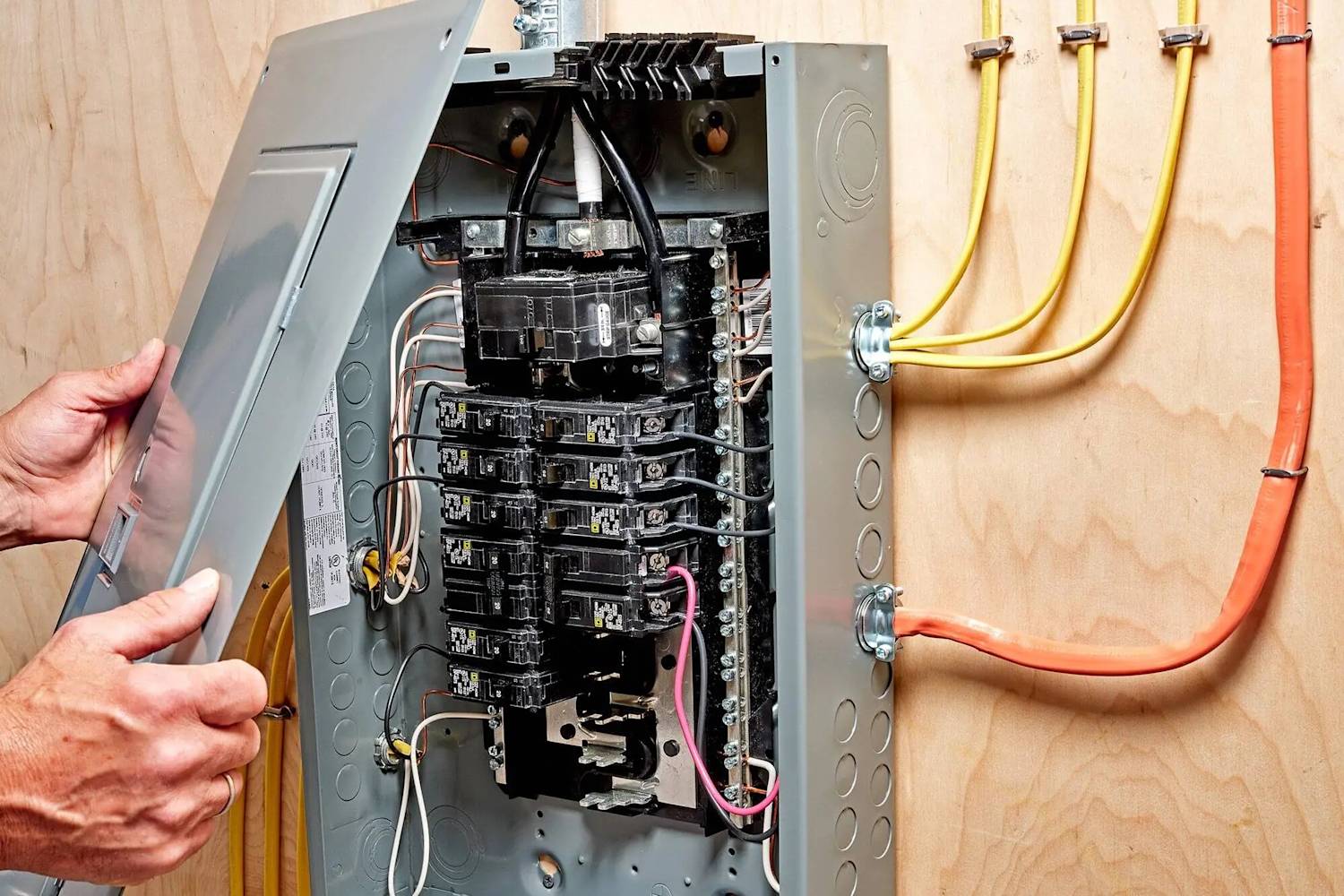
The electrical panel—sometimes called a breaker box, service panel, or load center—contains the circuit breakers that control electricity throughout your home. Each breaker is assigned to a particular circuit, such as the kitchen outlets, bedroom lights, air conditioner, electric range, or clothes dryer.
Circuit breakers serve an important safety function. When a circuit draws more electricity than it can safely handle, the breaker is designed to shut off power before the wiring overheats. The U.S. Consumer Product Safety Commission explains that breakers and fuses help prevent electrical overloads and fires by interrupting electrical current when it exceeds a safe level.
A breaker that trips occasionally because too many appliances were used on one circuit may be doing exactly what it was designed to do. Breakers that trip repeatedly, however, can indicate that the electrical system is overloaded, a circuit has a fault, or the panel has another condition that requires professional evaluation.
1. Your Circuit Breakers Trip Frequently
Frequent breaker trips are among the most recognizable signs of an electrical problem.
You may notice a breaker shutting off when the microwave and toaster operate at the same time, when the air conditioner starts, or when several devices are plugged into one room. The breaker may reset successfully but trip again as soon as the same appliance is used.
Repeated trips can result from an overloaded circuit, damaged wiring, a malfunctioning appliance, a short circuit, a ground fault, or a breaker that is no longer working correctly. If several circuits regularly trip, the home may have outgrown the capacity or configuration of its existing panel.
The Electrical Safety Foundation International identifies frequently tripped breakers, flickering lights, warm or discolored wall plates, buzzing sounds, and burning odors as warning signs of an overloaded electrical system.
Do not repeatedly reset a breaker without identifying why it is tripping. A breaker is a safety device, and continually forcing it back on can allow an underlying electrical problem to become more dangerous.
One Source offers professional circuit breaker repair in Birmingham. An electrician can test the breaker, inspect the panel, evaluate circuit demand, and determine whether the problem requires a repair, a dedicated circuit, or a larger panel upgrade.
2. Your Lights Flicker or Dim When Appliances Turn On
Lights that briefly dim when a major appliance starts may be reacting to a temporary increase in electrical demand. However, frequent or significant dimming can indicate that the electrical system is struggling to deliver consistent power.
You may notice the lights flicker when the air conditioner starts, the refrigerator cycles, the washing machine runs, or a hair dryer is used. In other cases, lights may brighten and dim unpredictably throughout the home.
Possible causes include loose wiring, overloaded circuits, an undersized electrical service, a deteriorating breaker, a poor utility connection, or an issue within the panel itself.
Flickering throughout the entire home is especially important to investigate because it may indicate a problem with the main electrical service rather than a single lighting circuit.
One Source’s professional electrical installation and repair services include troubleshooting panels, circuits, switches, wiring, dedicated circuits, and high-powered appliances throughout the Birmingham area.
3. Your Electrical Panel Uses Fuses Instead of Circuit Breakers
Older homes may still have fuse boxes rather than modern circuit breaker panels. Fuses can provide overcurrent protection, but they must be replaced after they blow, and older fuse boxes may not provide enough capacity for today’s electrical demands.
The larger concern is not simply the presence of fuses. It is whether the overall electrical system has been altered, overloaded, or maintained properly over the years.
Homeowners sometimes install a higher-amperage fuse to prevent a circuit from repeatedly shutting off. This is dangerous because the wiring may not be rated to carry the additional current. The oversized fuse can allow the wiring to overheat without interrupting the circuit as intended.
Some fuse panels may also lack room for the dedicated circuits needed by modern appliances, HVAC systems, home offices, generators, and other equipment.
A licensed electrician can inspect the fuse box and determine whether it remains appropriate for the home. In many cases, upgrading to a properly sized breaker panel can improve convenience, expand capacity, and provide access to modern safety features.
4. Your Panel Is Full and Has No Room for New Circuits
Open the panel door without removing the protective cover. If every available breaker position is occupied, the panel may have reached its practical limit.
A full panel can become a problem when you want to install an electric vehicle charger, hot tub, workshop equipment, new HVAC system, tankless electric water heater, home addition, or upgraded kitchen appliance. Many of these improvements require a dedicated circuit rather than sharing power with an existing circuit.
Some panels use tandem breakers, which place two circuits into one breaker position. Tandem breakers are permitted only when the panel is specifically designed and approved for them. Filling a panel with tandem breakers does not necessarily mean the system is unsafe, but it may indicate that the home is approaching the panel’s designed circuit capacity.
An electrical panel upgrade can provide additional breaker spaces and may increase the amount of power available to the home. One Source’s Birmingham service offerings include electric panel expansion, circuit breaker work, dedicated circuits, rewiring, generators, and other electrical improvements.
5. You Rely Heavily on Extension Cords and Power Strips
Extension cords and power strips can be useful for temporary situations, but they should not serve as permanent substitutes for adequate outlets and circuits.
If several rooms depend on power strips because there are not enough outlets, your home’s electrical system may not be configured for the number of devices you use. This is common in older homes built before computers, home entertainment systems, countertop appliances, and multiple chargers became part of daily life.
Plugging several high-demand devices into a single outlet does not increase the circuit’s capacity. It concentrates more demand on the same wiring and breaker.
Extension cords should never be used as permanent wiring or placed beneath rugs, through walls, or in locations where they can be pinched or damaged. ESFI recommends avoiding overloaded outlets and using extension cords only temporarily, especially around high-demand equipment such as air conditioners and space heaters.
An electrician can determine whether adding outlets and dedicated circuits would resolve the issue or whether the panel needs additional capacity to support them safely.
6. You Hear Buzzing, Crackling, or Sizzling From the Panel
A properly operating electrical panel should generally be quiet. Buzzing, crackling, sizzling, or popping sounds should be investigated promptly.
These noises can be associated with loose connections, electrical arcing, damaged breakers, overheated wiring, or components that are not making secure contact inside the panel. Electrical arcing creates intense heat and can damage the breaker, bus bar, wiring insulation, and surrounding materials.
Do not remove the panel cover or attempt to tighten components yourself. Even when the main breaker is switched off, parts of the panel may remain energized and capable of causing severe injury.
Turn off major electrical loads when it is safe to do so and contact a licensed electrician. If you see smoke, sparks, or active burning, leave the home and call emergency services.
One Source provides emergency electrician services in Birmingham for problems such as burning odors, power loss, sparking, overheated electrical components, and other urgent safety concerns.
7. The Panel or Breakers Feel Warm
Electrical panels can generate a small amount of warmth while carrying power, but the panel cover, breakers, or nearby wall should not feel noticeably hot.
Excessive heat may indicate an overloaded circuit, loose connection, failing breaker, corrosion, or poor contact between components. Discoloration, melted plastic, a burning odor, or visible damage around the panel should be treated as urgent warning signs.
The CPSC identifies hot switch plates, flickering lights, circuits that fail, and the smell of burning plastic as signs of potential electrical system problems.
Avoid touching a hot panel repeatedly or removing its cover. Shut off appliances that may be contributing to the load when it is safe, and arrange for an electrical inspection.
8. You Smell Burning Plastic or Hot Insulation
A burning odor near the panel, outlets, switches, or electrical equipment may indicate that wiring insulation or another electrical component is overheating.
The smell may appear only when a particular appliance operates or when the home’s electrical demand is high. Even if the odor disappears, the problem should not be ignored.
Overheated wiring can result from loose connections, overloaded circuits, damaged insulation, failing breakers, or improper previous repairs. These conditions may worsen over time and increase the risk of electrical failure or fire.
Do not attempt to locate the problem by opening the panel. Turn off the affected circuit if it can be identified safely. If the smell is strong, smoke is visible, or the panel is hot, leave the area and seek emergency assistance.
9. You See Rust, Corrosion, or Moisture Inside the Panel
Water and electricity are a dangerous combination. Moisture can enter an electrical panel because of a roof leak, plumbing leak, condensation, exterior service-entry problem, flooding, or improper installation.
Rust or corrosion may appear on the panel enclosure, breakers, screws, wiring connections, or bus bars. Even if the panel seems to work normally, corrosion can weaken electrical connections and interfere with the breakers’ ability to function correctly.
Birmingham’s humid climate and heavy storms can make moisture intrusion especially important to address. The source of the water must be corrected, but the panel and affected components also need to be professionally evaluated.
Do not touch wet electrical equipment. If there is standing water near the panel, avoid entering the area and contact an electrician or emergency service from a safe location.
10. Your Birmingham Home Has an Older Electrical Panel
Panel age alone does not determine whether replacement is required. Some older panels remain serviceable when they have been properly installed, maintained, and matched to the home’s electrical demand.
However, older panels deserve closer evaluation because components can deteriorate, connections can loosen, and the home’s electrical use may have changed significantly since the system was installed.
ESFI recommends electrical inspections for homes that are at least 40 years old, as well as homes that are more than 10 years old and have undergone a major renovation, addition, or installation of a major new appliance.
An electrician should also identify the panel’s manufacturer and model. Certain older panel designs have documented performance concerns and may warrant replacement even when there have not yet been obvious symptoms.
Do not attempt to identify or test potentially problematic breakers by removing the panel cover. A professional can inspect the labeling, installation, condition, available capacity, and compatibility of the components.
11. Your Home Has 60-Amp or 100-Amp Electrical Service
Older homes may have been built with 60-amp or 100-amp electrical service. That may have been sufficient when the home used fewer appliances and relied more heavily on natural gas.
Modern electrical demand can be considerably higher. Central air conditioning, electric ranges, clothes dryers, water heaters, hot tubs, workshops, generators, and EV chargers can place substantial demand on the system.
A 100-amp service is not automatically inadequate. The correct capacity depends on the home’s size, appliances, heating and cooling equipment, and expected future additions.
A licensed electrician can complete an electrical load calculation to determine whether the existing service can support your needs. Upgrading equipment without evaluating the available capacity can lead to nuisance breaker trips, poor performance, and unsafe overloading.
One Source offers energy-efficient electrical upgrades and power improvements for Birmingham homeowners who are adding appliances, modern technology, or other significant electrical loads.
12. You Are Adding an Electric Vehicle Charger
An EV charger is one of the most common reasons homeowners discover that their electrical panel needs additional capacity.
Level 2 chargers typically require a dedicated 240-volt circuit. Before installation, an electrician should evaluate the panel rating, available breaker space, existing electrical demand, wiring route, grounding, and charging equipment specifications.
The panel may already have enough capacity, or the charger may be managed through an approved load-management solution. In other homes, a service or panel upgrade may be necessary before the charger can be installed safely.
One Source provides professional EV charger installation in Birmingham, including evaluation of the existing electrical system and integration of the charger with the home’s available power.
13. You Are Installing Major Appliances or Renovating Your Home
Home additions, kitchen renovations, finished basements, workshops, swimming pools, and new HVAC systems can significantly change a home’s electrical requirements.
High-demand appliances often require dedicated circuits. These can include electric ranges, wall ovens, dryers, heat pumps, water heaters, and certain HVAC components.
Adding new circuits to an already full or undersized panel may not be practical. The panel may need to be expanded or replaced to accommodate the project and meet current electrical requirements.
Planning the electrical work early can prevent delays once construction begins. One Source provides electrical services for additions and new construction projects in Birmingham, including panels, wiring, circuits, lighting, and electrical connections for new equipment.
14. Your Appliances Seem Underpowered
Electrical capacity or voltage problems can sometimes cause appliances to perform inconsistently.
You may notice that the microwave takes longer to heat food, lights dim when appliances start, a power tool loses strength, or the air conditioner struggles to start. These symptoms do not automatically mean the panel needs to be replaced, but they warrant investigation.
The cause could be an overloaded circuit, loose neutral connection, voltage drop, damaged wiring, utility problem, or failing appliance. Because some of these conditions can be hazardous, electrical testing should be performed by a qualified electrician.
An electrician can measure voltage, current, circuit loading, and connections to determine whether the issue originates with the appliance, branch circuit, panel, or utility service.
15. Breakers Will Not Stay Reset or Feel Loose
A breaker that immediately trips after being reset may be responding to a short circuit, ground fault, overloaded circuit, or damaged equipment.
Do not hold the breaker in position or repeatedly force it to reset. Unplug devices on the affected circuit and contact an electrician if the breaker continues to trip.
Breakers should also fit securely in the panel. A breaker that feels loose, moves excessively, or does not align correctly may have poor contact with the panel’s bus bar. This can generate heat and electrical arcing.
Only breakers that are specifically approved for the panel should be installed. Using an incompatible breaker can create an unsafe connection even when it appears to fit physically.
Does an Electrical Panel Upgrade Mean Rewiring the Entire House?
Not necessarily. A panel upgrade and whole-home rewiring are separate projects, although they may sometimes be recommended together.
A panel upgrade typically involves replacing the breaker panel, improving the service capacity when necessary, installing compatible breakers, updating grounding and bonding components, and connecting the existing circuits to the new equipment.
Whole-home rewiring involves replacing some or all of the electrical wiring throughout the house. Rewiring may be recommended when the wiring is damaged, deteriorated, improperly modified, or unable to support the home’s electrical needs.
One Source provides whole-home rewiring services in Birmingham for homes with aging or unsafe wiring. An inspection can determine whether the concern is limited to the panel or extends to the circuits throughout the property.
What Are the Benefits of Upgrading an Electrical Panel?
The primary purpose of a panel upgrade is to provide an electrical system that is appropriately sized, properly configured, and capable of safely supporting the home.
Depending on the existing system, an upgrade may provide more breaker spaces, additional electrical capacity, improved reliability, and support for dedicated circuits. It can also make it easier to install high-demand equipment such as an EV charger, heat pump, generator, workshop equipment, or modern kitchen appliances.
A new panel may also support current protective technologies, including arc-fault circuit interrupters, ground-fault protection, and whole-home surge protection when required or appropriate.
One Source offers whole-home surge protection and electrical safety upgrades, including panel-mounted surge protection, updated breakers, added circuits, wiring improvements, and other solutions for modern electrical demands.
Can You Upgrade an Electrical Panel Yourself?
Electrical panel work is not an appropriate do-it-yourself project.
The main service conductors can remain energized even when the main breaker is switched off. Contact with these components can cause severe injury or death. Improper installation can also result in loose connections, overheating, electrical arcing, failed inspections, insurance issues, and fire hazards.
Panel replacement may require coordination with the utility company, permits, inspections, grounding improvements, service entrance work, and compliance with applicable electrical codes.
A licensed electrician has the training and testing equipment needed to calculate the home’s electrical demand, select compatible components, complete the installation, and verify that the system operates correctly.
When Is an Electrical Panel Problem an Emergency?
Contact an electrician promptly if breakers trip repeatedly, lights flicker throughout the home, or the panel shows signs of corrosion or overheating.
Treat the situation as urgent when you notice smoke, sparks, burning odors, crackling sounds, melted components, a hot panel, or sudden loss of power in part of the home. Do not touch the panel if it is wet, actively sparking, or visibly damaged.
Leave the home and call emergency services if you see fire or believe there is an immediate risk to your household.
Schedule an Electrical Panel Inspection in Birmingham
Your electrical panel should reliably support the equipment and technology your family uses every day. Frequent breaker trips, flickering lights, buzzing noises, burning odors, limited breaker space, visible corrosion, and inadequate capacity are all reasons to have the system evaluated.
One Source Heating, Cooling, Plumbing & Electrical provides panel upgrades, power upgrades, circuit breaker repair, dedicated circuits, rewiring, surge protection, EV charger installation, generator services, and other electrical solutions throughout Birmingham and surrounding communities. The company’s licensed electricians evaluate panel condition, electrical flow, circuit stability, and available capacity before recommending repair or replacement.
Contact One Source to schedule an electrical inspection and determine whether your Birmingham home’s panel is ready for its current and future power needs.
Whether you require installation, repair, or maintenance, our technicians will assist you with top-quality service at any time of the day or night. Take comfort in knowing your indoor air quality is the best it can be with MOE heating & cooling services Ontario's solution for heating, air conditioning, and ventilation that’s cooler than the rest.
Contact us to schedule a visit. Our qualified team of technicians, are always ready to help you and guide you for heating and cooling issues. Weather you want to replace an old furnace or install a brand new air conditioner, we are here to help you. Our main office is at Kitchener but we can service most of Ontario's cities
Source link