
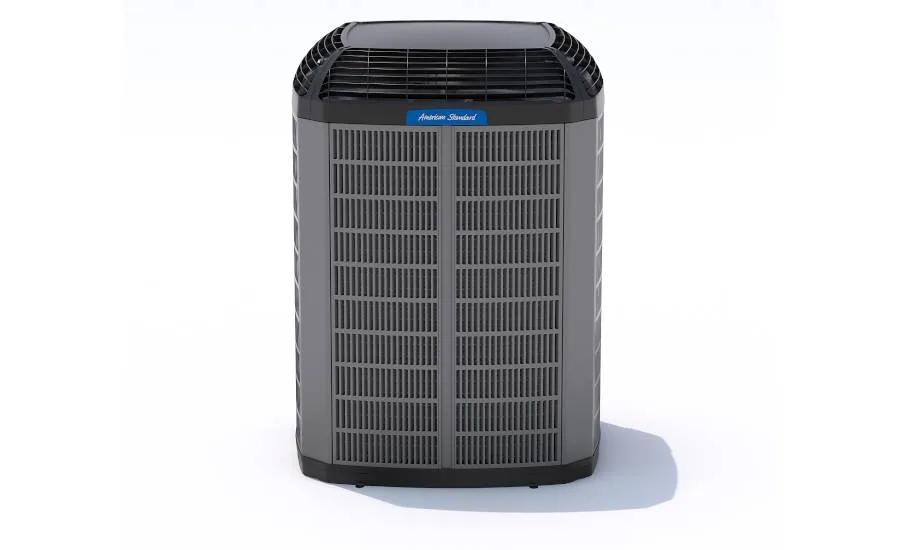
For a heat pump, cold weather presents a basic engineering puzzle: The colder it gets outside, the more heat a home needs. In decades past, that was also when an air-source heat pump’s heating capacity started heading in the wrong direction.
While the physics behind that challenge hasn’t changed, manufacturers have made considerable strides at designing equipment to tackle cold weather. Today’s cold-climate heat pumps use advances in compressor technology, controls, and system design to maintain more heating capacity as temperatures plunge well below freezing.
To understand how heat pumps have pushed farther into territory once dominated by fossil-fuel heating, it helps to look at what has changed inside — and around — the outdoor unit.
What Changed Inside the Heat Pump?
The compressor is a good place to start, because much of the cold-climate heat-pump story comes down to what happens as outdoor temperatures fall.
Instead of operating at a single output level, today’s variable-speed compressors can adjust performance based on changing heating and cooling demands, as well as outdoor conditions. During milder weather, the system can operate at lower capacity, while colder temperatures and higher heating loads can prompt it to increase output as needed.
The result is a much broader performance envelope. American Standard’s AccuComfort™ Variable Speed Platinum 20 Cold Climate Heat Pump with AllWeather™, for example, offers cooling in outdoor temperatures from 55-115°F and 100% heating capacity down to 5°F.
But the compressor is only part of the equation. That ability to vary output depends on knowing how much output is needed.
That’s where controls come into play. The AccuComfort™ Variable Speed Platinum 20 Cold Climate Heat Pump uses American Standard’s fully communicating Link® system, allowing the outdoor unit, indoor equipment, and controls to exchange operating information rather than function as largely independent components.
For the homeowner, it means better comfort and more control over it, including indoor air quality (IAQ) accessories. For the contractor, communication changes what happens after startup. American Standard’s Link® gives the dealer visibility into system operation and allows remote diagnostics, rather than requiring every troubleshooting step to begin with a truck roll.
While advances in compressor technology and controls often receive the most attention, cold-climate performance also depends on how equipment is engineered to withstand real-world winter conditions. In a tough northern winter, snow, ice, and freezing rain become part of the design equation, along with the need to manage defrost cycles and the water they produce. The AccuComfort cold-climate unit addresses the physical side of that challenge in part with a factory-installed AllWeather™ top, designed for long-term durability in extreme weather conditions.
Myth vs. Reality
Today’s cold-climate advances have completely changed the operating envelope contractors have to work with — and that’s where long-held assumptions about heat pumps start to look dated. Explaining how today’s equipment is engineered specifically for cold climates helps homeowners evaluate their options based on what current technology can deliver.
The data tells a compelling story:
Myth: Heat pumps don’t work in areas that get down to single digits.
Reality: While earlier generations of heat pumps could experience reduced performance as outdoor temperatures fell, today’s cold-climate heat pumps are engineered to deliver reliable and efficient heating even in extremely cold conditions.
The AccuComfort™ Variable Speed Platinum 20 Cold Climate Heat Pump maintains 100% heating capacity down to 5°F without sacrificing comfort — and continues operating reliably in temperatures as low as -20°F. Engineered for dependable operation in extreme cold, it is designed to help expand all-electric heating applications even in challenging winter climates.
Myth: Cold-climate performance is mostly a laboratory claim.
Reality: Standardized testing is important for establishing what equipment can deliver under specific conditions, and the AccuComfort™ Variable Speed Platinum 20 Cold Climate Heat Pump successfully met the U.S. Department of Energy’s Cold Climate Heat Pump Challenge performance requirements.
But contractors also want to know what happens when equipment leaves the lab and spends an actual winter sitting outside somebody’s house.
American Standard put its cold-climate heat-pump technology into real homes in Minnesota, Montana, New York, Pennsylvania, Wisconsin, and Texas. Across nine field-test units, the systems accumulated nearly 18,000 hours of heating runtime. They operated in outdoor temperatures as low as -21°F and completed multiple heating and cooling seasons in real homes, proving their reliability in some of North America’s toughest winter conditions.
A Wider Operating Window
Winter weather hasn’t gotten any easier on HVAC equipment, but modern cold-climate heat pump technology is up to the challenge.
Today, the question is increasingly less likely to be, “Can a heat pump work here?” and more likely to be: What does this equipment deliver at this home’s design conditions? How should it be applied? What does the installation need to look like for it to perform as intended?
In regions where the answer once defaulted to fossil-fuel heating, contractors now have another option — and a much broader operating range in which to consider it.
Whether you require installation, repair, or maintenance, our technicians will assist you with top-quality service at any time of the day or night. Take comfort in knowing your indoor air quality is the best it can be with MOE heating & cooling services Ontario's solution for heating, air conditioning, and ventilation that’s cooler than the rest.
Contact us to schedule a visit. Our qualified team of technicians, are always ready to help you and guide you for heating and cooling issues. Weather you want to replace an old furnace or install a brand new air conditioner, we are here to help you. Our main office is at Kitchener but we can service most of Ontario's cities
Source link

