Why Every Columbus Homeowner Should Know About Whole Home Electric Generators
A whole home electric generator is a permanently installed backup power system that automatically keeps your house running when the utility grid goes down — no extension cords, no manual startup, no trips outside in a storm.
Here’s what you need to know at a glance:
| Topic | Quick Answer |
|---|---|
| What it does | Powers your entire home automatically during an outage |
| How it starts | Senses power loss and starts within seconds via an automatic transfer switch |
| Fuel sources | Natural gas, liquid propane, or diesel |
| Typical size range | 10 kW–22+ kW for most homes |
| Unit cost | $3,400–$7,000+ (installation adds $2,000–$20,000) |
| Runtime | Up to 250 hours on propane; virtually unlimited on natural gas |
| Key brands | Generac, Kohler, Champion |
Power outages aren’t just an inconvenience — they can spoil food, knock out heating or cooling during extreme weather, and put medically vulnerable family members at risk. In a place like Columbus, Ohio, where summers bring intense heat and winters can turn severe, reliable backup power isn’t a luxury. It’s a practical necessity.
This guide covers everything: how these systems work, how to size one for your home, what installation involves, what it costs, and how to keep it running for years.
I’m Steven Alexander, President and Co-Owner of Aire-Flo Heating, Cooling & Generators, and I’ve spent decades helping Columbus homeowners find the right whole home electric generator for their needs. My team installs, services, and maintains these systems every day, so everything in this guide comes from real-world experience — not just spec sheets.
Understanding the Whole Home Electric Generator
When we talk about a whole home electric generator, we aren’t talking about the loud, rattling machine you pull out of the garage and chain to a porch post. We are talking about a permanent standby unit. These systems look similar to a central air conditioning unit and sit on a concrete or composite pad outside your home.
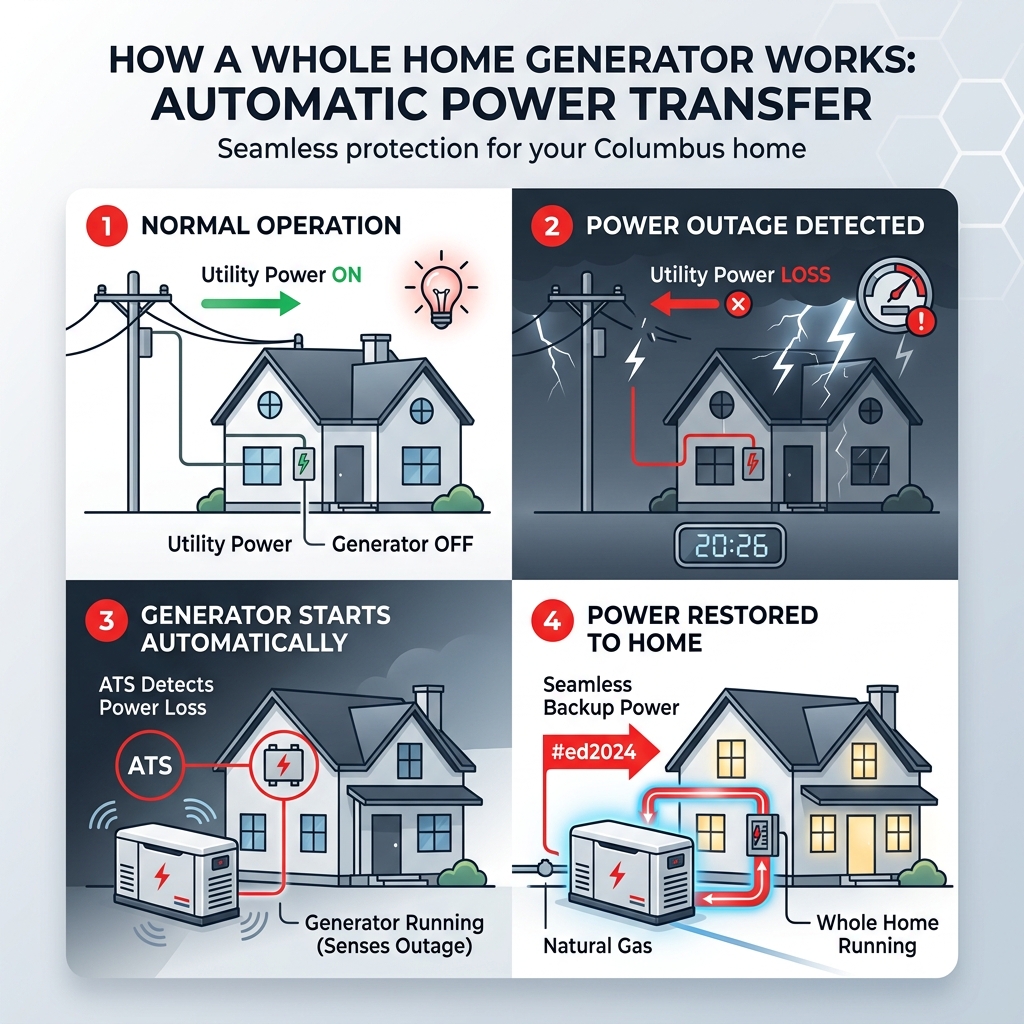
The magic of a standby generator lies in its “always-on” readiness. Because it is hardwired into your home’s electrical system and connected to a dedicated fuel source (like your natural gas line), it doesn’t need you to be home to work. If the power flickers out while you’re at dinner in Bexley or vacationing far from Columbus, the system detects the utility loss and takes over immediately. For a deeper dive into the mechanics, check out how do backup generators work.
Why Whole Home Standby is the Superior Choice
You might wonder why you should invest in a permanent unit when a portable generator is cheaper. The answer usually comes down to three things: capacity, convenience, and safety.
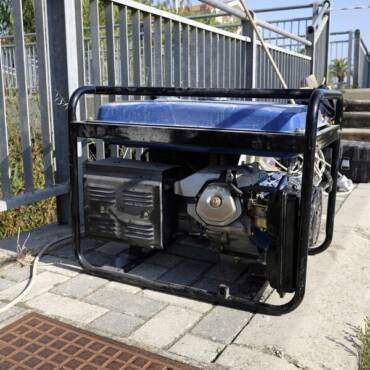
Portable generators require you to lug them outside, fill them with gasoline (which has a short shelf life), and run extension cords through cracked windows—a major security and weatherproofing headache. Furthermore, portables often struggle to power “hardwired” appliances like your furnace, well pump, or central AC.
A whole home electric generator offers:
- Continuous Fuel: No more hunting for an open gas station during a storm.
- Automatic Hands-Off Operation: It starts whether you are home, asleep, or away.
- Whole-House Capacity: From the microwave to the 5-ton AC unit, everything stays on.
To help you decide which path is right for your property, read our guide on picking the right generator for your home.
The Role of the Automatic Transfer Switch
The “brain” of the operation is the Automatic Transfer Switch (ATS). This device constantly monitors the electricity coming from the utility grid. When it senses a drop in voltage or a total blackout, it disconnects your home from the grid and connects it to the generator.
This is one of the most important safety parts of the system. It stops “backfeeding,” where generator power flows into utility lines and creates a serious hazard for crews working to restore service. When utility power returns and remains stable, the ATS switches your home back to the grid and signals the generator to power down. If you want a closer look at how dependable this process is, learn more in our guide to how automatic standby generators work.
Sizing and Fuel Options for Reliable Power
Choosing the right whole home electric generator isn’t a “one size fits all” situation. If you get a unit that is too small, you risk overloading the system and causing a shutdown just when you need it most. If you get one too large, you’re spending money on fuel and equipment you don’t need.
Sizing Your Whole Home Electric Generator
Generators are rated in kilowatts (kW). To determine the size you need, we look at your “essential loads” versus your “whole-house loads.”
- Essential Loads (10 kW – 14 kW): This typically covers your refrigerator, lights, some outlets, and your furnace blower.
- Large Whole-House (15 kW – 26 kW+): These units deliver upward of 15,000 to 25,000 watts, enough to power everything in an average home simultaneously, including high-draw items like electric ovens and central air.
For a closer look at what different generator sizes can power, check out this guide to what a home generator can run.
Fuel Type Performance and Efficiency
In the Columbus area, most homeowners choose between natural gas and liquid propane (LP).
- Natural Gas: This is the most popular choice because the fuel supply is virtually limitless. It’s piped directly to the unit, so you never have to worry about “running out” during a long-term outage.
- Liquid Propane: For homes in more rural parts of Greater Columbus without natural gas lines, propane is the go-to. Large whole-house generators can run for 120 to 250 hours on a standard 500-gallon propane tank, depending on the load.
- Diesel: While rare for residential use, diesel is incredibly efficient and offers high torque for massive estates.
We’ve broken down the key differences in this guide on diesel vs. gas generators for homes.
Essential Features and Technology
Modern generators are far more advanced than the models from a decade ago. Today’s units are designed to be “neighbor-friendly” and safe for the high-tech gadgets we all use.
Smart Features of a Whole Home Electric Generator
One of the most useful upgrades in a modern standby generator is WiFi monitoring. Many systems let you check generator status from your phone, see whether the unit is running, and get reminders for maintenance like oil changes. Some can also send alerts if a fault appears, which helps you catch issues early and schedule service faster. That kind of remote visibility adds convenience and peace of mind, especially during storm season. For more guidance on choosing the right features, take a look at these generator buying tips.
Safety and Noise Considerations
Safety is our top priority. Leading models now feature:
- Low THD (Total Harmonic Distortion): Many units deliver power with less than 5% THD. This “clean” power is essential for sensitive electronics like laptops, smart TVs, and high-end kitchen appliances.
- Carbon Monoxide (CO) Sensing: Some units include automatic shutdown features if CO levels become dangerous near the unit.
- Quiet-Test Mode: This is a weekly self-test that runs at a lower RPM. It ensures the system is ready without creating a racket. Some models operate at a residential-friendly 67 dB[A]—about the level of a normal conversation.
For more on placement and noise regulations in Columbus neighborhoods like Upper Arlington or Worthington, see our generators FAQ.
Professional Installation and Maintenance
Installing a whole home electric generator is not a DIY project. It requires a combination of licensed electrical work and professional plumbing for the gas lines.
The Installation Process
When we install a generator in the Columbus area, we handle the heavy lifting:
- Site Prep: Leveling the ground and installing a concrete or heavy-duty composite pad.
- Placement: Ensuring the unit meets local fire codes (usually 5 feet from openings like windows and doors).
- Electrical: Installing the Transfer Switch and wiring it into your main service panel.
- Plumbing: Running the gas line from your meter to the generator.
- Permits: We handle the necessary municipal permits to ensure everything is up to code.
You can learn more about what happens on installation day in this guide.
Long-Term Reliability and Servicing
A generator is an engine, just like your car. It needs regular “exercise” and maintenance to stay reliable. This includes annual oil and filter changes, battery testing, and spark plug inspections. We recommend a professional tune-up at least once a year, especially before our stormy spring season or the onset of winter.
Troubleshooting Common Issues
Even the best systems can run into hiccups. The most common issues we see are:
- Battery Failure: Just like a car battery, generator batteries typically last 2-3 years. If the battery is dead, the generator won’t start when the power goes out.
- Low Coolant or Oil: Most units have safety sensors that prevent the engine from starting if fluid levels are low.
- Pests: Occasionally, small critters try to make a home inside the warm enclosure.
Frequently Asked Questions about Home Backup Power
How much does a whole home generator cost?
This is usually the first thing homeowners ask. In many cases, the generator itself costs about $3,400 to $7,000. Once you add professional installation, electrical work, gas plumbing, and permits, total project costs often land between $5,000 and $15,000, with higher pricing for more complicated installations. It is a meaningful investment, but one that can also improve your home’s appeal and preparedness.
How long can a standby generator run continuously?
Most manufacturers recommend checking the oil every 24 hours of continuous operation. As long as you have fuel (natural gas or propane) and keep up with basic checks, these units can run for days or even weeks. Some air-cooled models are rated to handle outages lasting over 200 hours.
Are standby generators safe for sensitive electronics?
Yes! Unlike older portable models that could produce “dirty” power with high voltage spikes, modern standby units use advanced voltage regulation. With less than 5% total harmonic distortion, they are perfectly safe for your home office, gaming consoles, and smart appliances.
Conclusion
Investing in a whole home electric generator is about more than just keeping the lights on; it’s about protecting your family’s comfort and safety. Whether it’s keeping the furnace running during a Columbus polar vortex or ensuring your basement sump pump keeps working during a summer downpour, a standby generator provides an unmatched level of security.
At Aire-Flo Heating, Cooling & Generators, we’ve been serving the Columbus area for 75 years. We know the local codes, the local weather, and exactly what it takes to keep your home powered through any storm. If you’re ready to stop worrying about the next blackout, we’re here to help.
Schedule Your Generator Installation Services with the experts at Aire-Flo today!
Whether you require installation, repair, or maintenance, our technicians will assist you with top-quality service at any time of the day or night. Take comfort in knowing your indoor air quality is the best it can be with MOE heating & cooling services Ontario's solution for heating, air conditioning, and ventilation that’s cooler than the rest.
Contact us to schedule a visit. Our qualified team of technicians, are always ready to help you and guide you for heating and cooling issues. Weather you want to replace an old furnace or install a brand new air conditioner, we are here to help you. Our main office is at Kitchener but we can service most of Ontario's cities
Source link