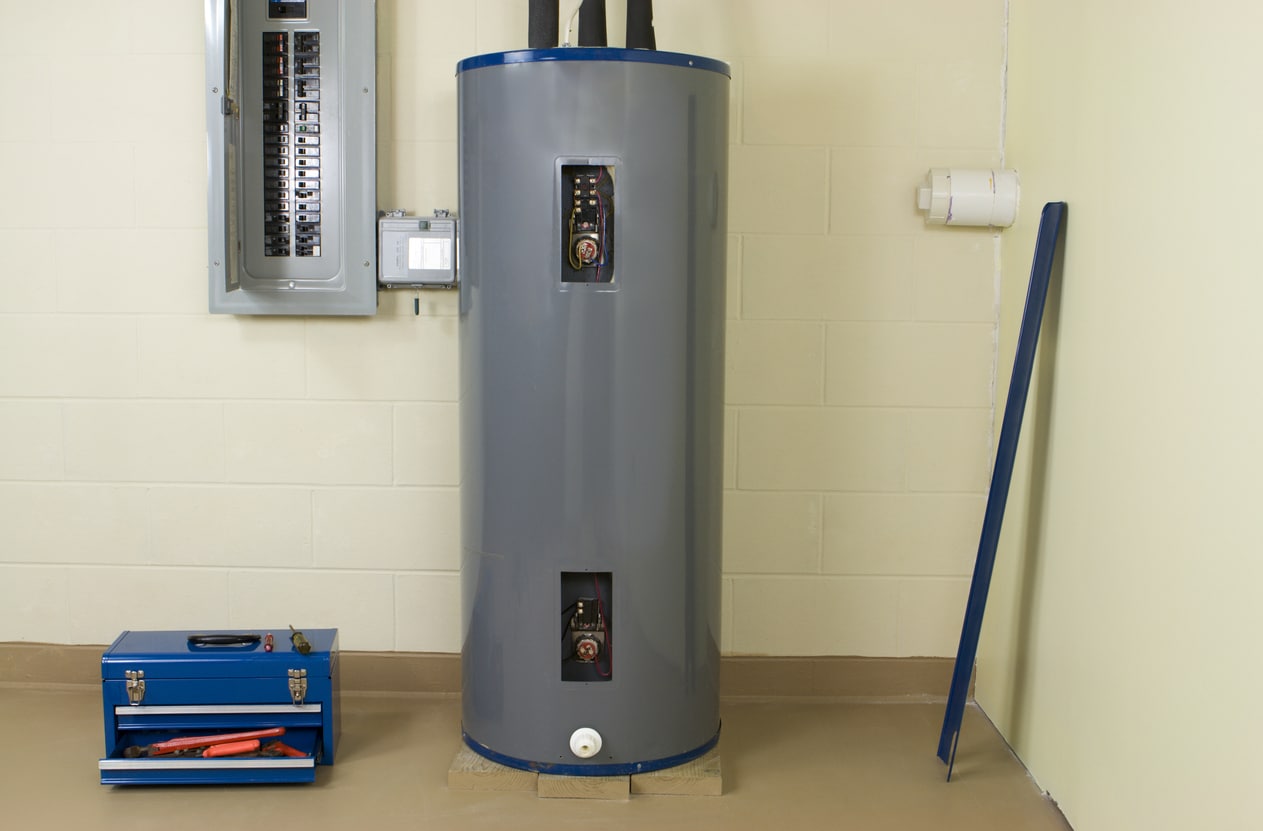
Your water heater is one of those appliances that quietly does its job every single day — until it doesn’t. Most homeowners don’t think about their water heater until they’re standing in a cold shower or staring at a puddle on the utility room floor. The truth is, a little routine maintenance goes a long way toward extending the life of your unit, keeping energy costs in check, and preventing the kind of failures that turn into expensive emergencies.
At Blaze Air, we believe in helping homeowners stay ahead of problems before they start. Here’s what you need to know about keeping your water heater in peak condition.
1. Flush the Tank Annually to Remove Sediment
Over time, minerals naturally present in your water supply — primarily calcium and magnesium — settle at the bottom of your water heater tank and form a layer of sediment. This buildup acts as an insulating barrier between the burner and the water, forcing your unit to work harder and use more energy to heat the same amount of water. Left unchecked, sediment buildup can cause the tank to overheat, accelerate corrosion, and significantly shorten the lifespan of the unit. Flushing the tank once a year removes this buildup and keeps your heater running efficiently. This is one of the single most impactful things you can do for water heater longevity.
2. Test the Temperature and Pressure Relief Valve
The temperature and pressure relief valve — commonly called the T&P valve — is a critical safety device. Its job is to release pressure if the tank ever gets too hot or builds up too much internal pressure, preventing a potentially dangerous situation. This valve should be tested at least once a year to ensure it opens and closes properly. Testing is simple: lift the lever briefly and check that water flows freely and that the valve reseats properly when released. If it doesn’t operate smoothly, leaks after testing, or shows signs of corrosion, it should be replaced by a professional.
3. Inspect and Replace the Anode Rod Every 3–5 Years
The anode rod is a sacrificial metal rod — typically made of magnesium, aluminum, or zinc — that runs through the interior of your water heater tank. Its purpose is to attract the corrosive elements in your water and corrode away slowly over time so the tank lining doesn’t. When the anode rod is fully depleted, those corrosive forces turn directly on the tank itself. Inspecting the anode rod every three to five years and replacing it when it’s heavily corroded is one of the most effective ways to extend the life of a water heater by many years.
4. Check the Temperature Setting
The Department of Energy recommends setting your water heater thermostat to 120°F. This temperature is hot enough to meet household needs and kill harmful bacteria, but not so hot that it creates scalding risk or causes excessive mineral buildup. Many water heaters are factory-set higher than necessary, which wastes energy and accelerates wear. Adjusting the temperature to 120°F is a quick and easy way to reduce operating costs without sacrificing comfort.
5. Insulate the Tank and Pipes
Adding an insulating blanket to an older water heater tank and insulating the first few feet of hot and cold water pipes connected to the unit can meaningfully reduce heat loss. When heat escapes through the tank walls or pipes, your heater has to run more frequently to maintain the set temperature — wasting energy and increasing wear. This is a relatively inexpensive upgrade that pays for itself quickly through reduced utility costs.
6. Inspect for Leaks, Rust, and Corrosion
Make it a habit to visually inspect your water heater every few months. Look for moisture or puddles around the base of the unit, rust-colored staining on the tank or connections, and corrosion on the fittings, valves, or pipes. Small drips and minor corrosion are manageable if caught early. The same issues left unaddressed can escalate into a full tank failure, which typically means significant water damage in addition to the cost of a replacement unit.
7. Know the Age of Your Unit
The average tank water heater has a lifespan of 8 to 12 years. Tankless units can last 20 years or more with proper maintenance. If your water heater is approaching or past its expected service life, it’s worth having it evaluated by a professional — even if it still appears to be functioning. Proactively replacing an aging unit on your schedule is far less disruptive and expensive than dealing with an unexpected failure.
Stay Ahead of Water Heater Problems With Blaze Air
Water heater maintenance is straightforward, but many homeowners simply don’t know what needs to be done or how often. Blaze Air’s service professionals can inspect your water heater as part of a comprehensive home systems check, identify any concerns, and help you make smart decisions about maintenance or replacement.
Contact Blaze Air today to schedule a home systems inspection and keep your water heater running at its best.
Whether you require installation, repair, or maintenance, our technicians will assist you with top-quality service at any time of the day or night. Take comfort in knowing your indoor air quality is the best it can be with MOE heating & cooling services Ontario's solution for heating, air conditioning, and ventilation that’s cooler than the rest.
Contact us to schedule a visit. Our qualified team of technicians, are always ready to help you and guide you for heating and cooling issues. Weather you want to replace an old furnace or install a brand new air conditioner, we are here to help you. Our main office is at Kitchener but we can service most of Ontario's cities
Source link