
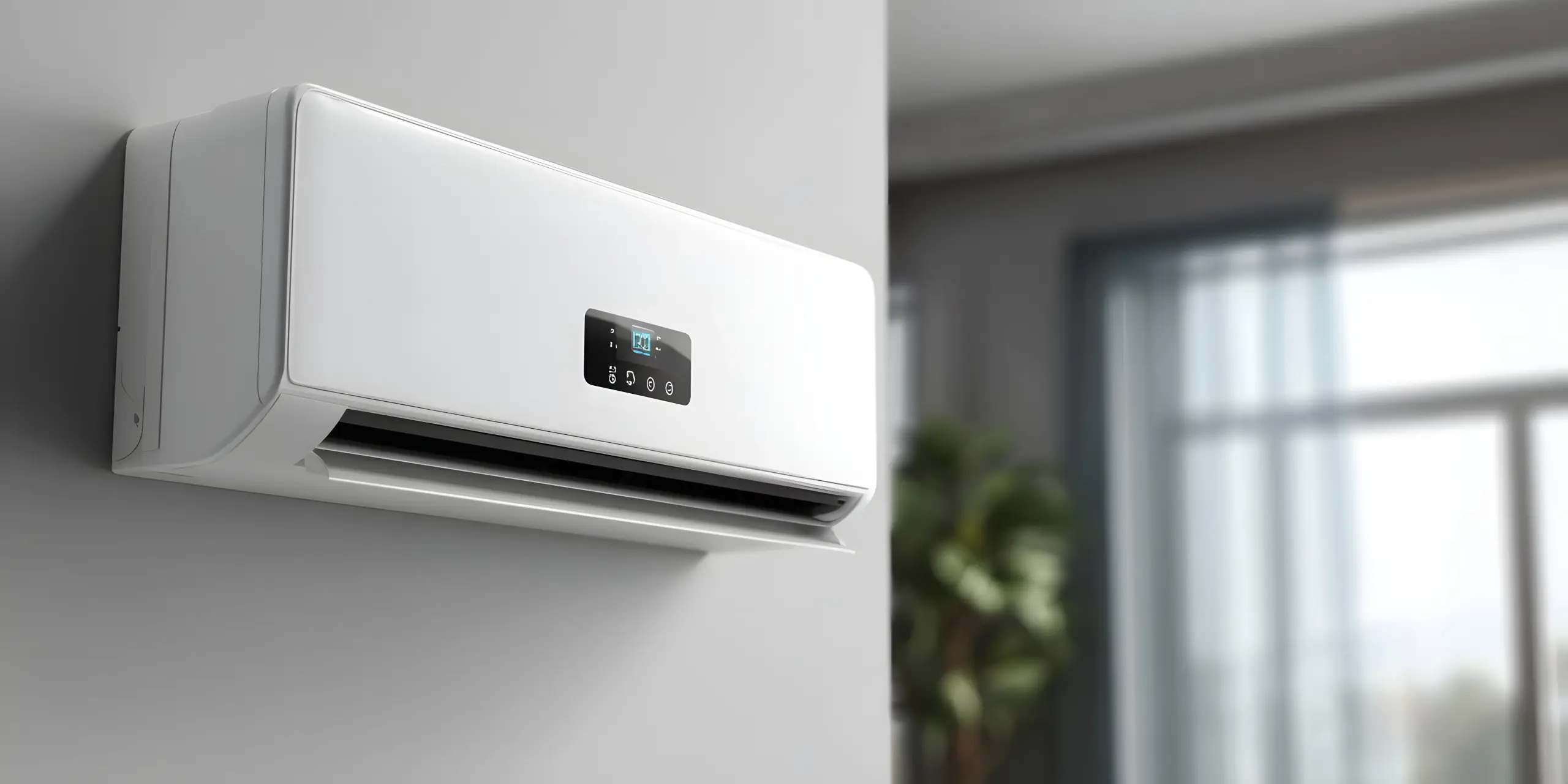
What Exactly Is a Mini Split System and How Does It Work?
Mini splits probably got on your radar because you’ve heard about how efficient they are. You could also be searching for a good heating and cooling option for an area of your home without ductwork. Mini splits are great for delivering treated air straight into a specific room or zone of your house. A mini split system is made of an outdoor compressor unit accompanied by one or more indoor air-handling units. The system connects by a conduit through a small wall opening with zero need for ductwork. Of course, there’s a little more to know as you weigh mini split vs. central air in Indiana for your home. Read on to learn about the pros and cons of mini split systems in Indiana.
What Are the Advantages of Installing a Mini Split in Indiana?
A mini split is the premier choice if you’re seeking ductless cooling systems in Indiana that can keep up with summer heat waves while keeping energy bills manageable. Let’s talk about why homeowners who love them really love them.
Easy Installation
First up is ease of installation. You don’t have to add or redo ductwork to accommodate your new mini split in Indiana. Your HVAC installer will only need to create a small hole that’s approximately 3 inches in diameter to get your indoor and outdoor units connected. That means no disruptions to your home’s architecture or the need to pay for pricey ductwork installation.
Energy Efficiency
Mini splits also offer premium energy efficiency. A big reason for this is that you’re not getting the energy leakage that often occurs with older ductwork. The Department of Energy says that duct losses can account for more than 30% of energy consumption for space conditioning.
Mini splits are also more efficient compared to other options because most use inverter-driven compressors that run at a steadier pace to maintain temperatures compared to units that are constantly zapping energy by stopping and starting back up. Some estimates say that homeowners save 30% to 60% on energy compared to standard HVAC options.
Zoning Control
Mini splits are also superstars when it comes to zoning control in your home. You can set temperatures for specific zones or rooms while they’re in use. The air-handling unit on a mini split blows air directly into a room for ultra-targeted cooling or heating.
Quiet Operation
The split design of the mini split helps to create one of the quietest heating and cooling options around. These systems offer whisper-quiet performance because the design puts the loudest component of the system outside your house. Between the compressor being placed outside and the absence of rattling from air ducts, split systems offer peace and quiet that can be perfect for sleeping areas or home offices. In addition, the consistency of the variable-speed inverter’s performance means you’re not dealing with the jarring sounds of a unit constantly turning off and on.
How Energy Efficient Are Ductless Systems Compared to Central Air?
As we touched on a little earlier, ductless mini splits can be up to 60% more efficient compared to traditional HVAC systems. The U.S. Department of Energy shares that mini splits can achieve ratings between 15.2 and 35 SEER2 compared to ducted heat pumps that achieve ratings between 15.2 and 25 SEER2. The energy loss through ductwork in central forced air systems is often worse when ducts are located in unconditioned spaces like attics.
Another consideration with energy efficiency is that the zoning aspect of mini splits means you only have to condition occupied rooms. You’re never paying for treated air that nobody is enjoying. Of course, efficiency gains after making the switch to a mini split vary by home size, usage patterns, and system size. Homeowners who are motivated to save money on energy bills can choose one of the many Energy Star-certified mini split models available.
Is a Mini Split a Good Solution for a Home Addition or Hot Room in Indiana?
A ductless system for a home addition in Indiana is a great option for creating comfort without making major alterations to your home’s infrastructure just to run ductwork. Homeowners often choose mini splits for room additions, finished attics, work garages, and more. Adding a ductless system for a hot master bedroom can also make life so much more comfortable without the cost and complexity of trying to extend existing ductwork.
What Are the Drawbacks of Mini Split Systems in Indiana?
It’s important to be aware of both the pros and cons of mini split systems in Indiana. As you decide on what’s right for your home, consider the common drawbacks.
Looks
Some people don’t love the look of a mini split system. With this option, you’ll have a visible indoor air handler mounted on a wall or ceiling. While handlers aren’t exactly eyesores, they don’t give the same concealed effect as central air. If appearance is a concern, there are actually some ways to use flush mounting to make your handler(s) a little more discreet.
Heating Capacity
Homeowners also have to consider just how cold it gets in Indianapolis at certain points during winter. Central Indiana gets around 40 to 45 days below freezing every year. While a mini split heat pump in Indiana can get you through most winter days pretty comfortably, those periods of deep freezes during winter can cause your system to struggle. When it comes to a mini split cold weather performance in Indiana, you may see your system lose efficiency at points during winter.
Installation Costs
The last drawback we’ll cover actually comes as a surprise to a lot of homeowners who choose mini splits. Installing mini split systems can be more expensive compared to a standard ducted air system. This mostly comes down to the fact that you’re paying for some pretty intensive labor and skill during the “zoned” installation process. During mini split installation, multiple lines are connected from the indoors to the outdoors. Considerations like refrigerant handling and work needed to upgrade your home’s electrical panel to support your mini split’s power requirements can also drive up labor costs during installation.
How Do Mini Splits Perform During Indiana’s Cold Winters?
As you and other local homeowners know, Indiana regularly sees subfreezing temperatures during winter. Standard mini splits lose efficiency below freezing. In some cases, models will actually shut off once temperatures reach below 20 degrees Fahrenheit.
The workaround for Central Indiana homeowners is to focus on cold-climate split systems that are designed to handle more extreme temperatures all the way down to minus 13 degrees. Of course, these more rugged systems come with higher costs. For those committed to enjoying the overall increased energy efficiency and duct-free installation offered by the mini split, taking time to figure out the right size and model with an experienced HVAC tech can ensure surprise-free winters with your heating situation.
Is the Upfront Cost of a Mini Split Worth It?
Mini splits have higher upfront costs than window units. If you’re creating a multiple-room setup requiring multiple indoor units, there’s no denying that installation cost can certainly add up. The decision to go with a mini split is one that requires you to take the long view.
Most homeowners find that the long-term energy savings from mini splits more than offset the higher upfront costs. The big payback can vary based on how long you plan to stay in your home after installing a mini split. It’s not always necessary to manage the cost of installing a mini split at your Indiana home all at once. Many homeowners utilize financing options that make the update manageable.
At the end of the day, mini split cost in Indiana is a great investment in comfort and efficiency that makes perfect sense in the right situation. That’s why being able to talk over your home-specific needs with an experienced pro during a pressure-free consultation matters so much.
When Does a Mini Split Make Sense for an Indiana Home?
Whether you’re debating mini split vs. central air in Indiana or wondering if you can just get away with adding a few window units in the summer, it’s important to land on a decision based on what works best for your house. Mini splits shine in homes without existing ductwork or older homes with limited duct access. They’re also great when you’re looking for an HVAC solution for an addition or struggling to keep a specific room or zone of your house properly cooled and heated. A mini split is also the fastest and easiest way to add zone control to a home.
Mini splits are less impressive if you’re seeking a true whole-home primary heating option. While people in some parts of the country could get away with that, Central Indiana’s relationship with subzero temperatures in the winter makes that a tough choice here. Of course, you can get around that by selecting an appropriate cold-climate model that can keep you covered far below freezing.
How Do You Choose the Right Mini Split System for Your Indiana Home?
The space you’re cooling and heating with your new mini split really determines everything. When you bring in a technician to help you size things up, you’ll first focus on making sure a mini split’s BTU capacity matches the room you’re treating. You also have to decide if you’re looking for a standard or cold-climate mini split based on how the space is used in the winter. This is the time to explore popular and sturdy models from trusted mini split brands like Carrier, Daikin, and Mitsubishi.
Professional installation is important when adding a mini split to any portion of your home. Improper installation can void manufacturer warranties and leave you with reduced efficiency. While there’s a lot to check off, the process of choosing and installing your mini split doesn’t have to be stressful. At HomeSense, our process always starts with a conversation and survey to help you identify your needs without pressure.
Ready To Find Out if a Mini Split Is Right for Your Home?
The fun fact we like to share whenever a customer calls to ask about mini splits is that HomeSense has been installing ductless systems since they first hit the U.S. market. It’s always exciting to us when a customer chooses this option because we know they’re in for a long span of energy efficiency and true comfort. Of course, we want to make sure our conversation leaves you with all the information necessary to decide if a mini split system is actually the right decision.
We’ll be sure to let you know if we think a mini split is the way to go after assessing the space and learning about your goals for comfort, cost, and long-term energy savings. Book your consultation for a mini split installation in Indianapolis today.
Posted in:
Cooling, Indoor Air Quality
Whether you require installation, repair, or maintenance, our technicians will assist you with top-quality service at any time of the day or night. Take comfort in knowing your indoor air quality is the best it can be with MOE heating & cooling services Ontario's solution for heating, air conditioning, and ventilation that’s cooler than the rest.
Contact us to schedule a visit. Our qualified team of technicians, are always ready to help you and guide you for heating and cooling issues. Weather you want to replace an old furnace or install a brand new air conditioner, we are here to help you. Our main office is at Kitchener but we can service most of Ontario's cities
Source link