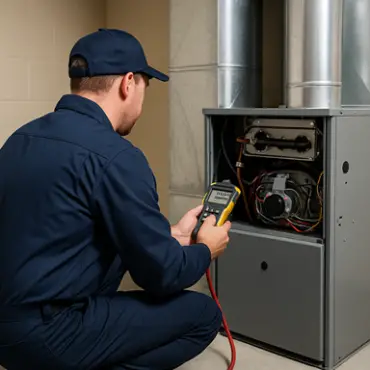
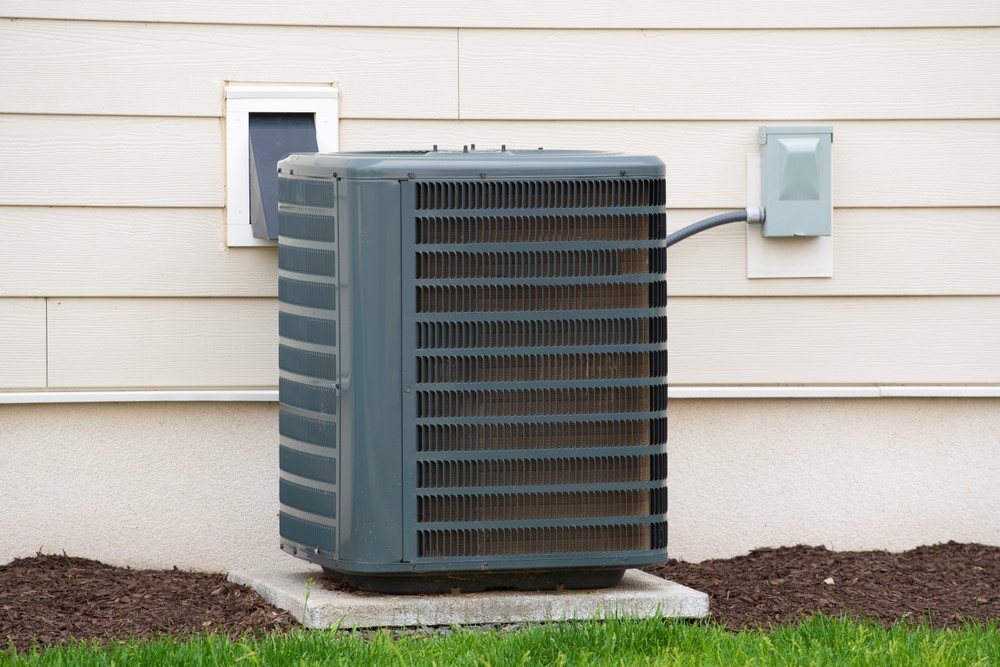
Finding water around your indoor air conditioner can be alarming, especially during a hot Birmingham summer when you need your AC running at its best. While a small amount of condensation is a normal part of the cooling process, water leaking inside your home is not.
An AC leak can be caused by something relatively simple, such as a clogged condensate drain, or it may point to a larger airflow or mechanical problem. Either way, ignoring the water can lead to damage around your HVAC equipment and potentially create conditions where mold or mildew can grow.
For homeowners in Birmingham and surrounding Alabama communities, here are some of the most common reasons an air conditioner leaks water—and what you should do when you discover it.
Why Does an Air Conditioner Produce Water?
Before looking at what causes an AC leak, it helps to understand why your air conditioner produces water in the first place.
As warm, humid indoor air passes over your AC’s cold evaporator coil, moisture in the air condenses on the coil. It’s similar to the water droplets that form on the outside of a cold glass on a humid day.
That condensation normally drips into a drain pan and flows out of your home through a condensate drain line.
Birmingham’s hot, humid summer weather can mean your air conditioner has a lot of moisture to remove from the air. One Source notes that Birmingham’s substantial cooling demands make dependable air conditioning particularly important during the summer. Learn more about One Source’s Birmingham air conditioning services.
When something prevents condensation from draining properly, however, you may start seeing water around the indoor HVAC equipment.
1. Your AC Condensate Drain Line Is Clogged
A clogged condensate drain line is one of the most common reasons an air conditioner leaks water indoors.
Over time, dirt, dust, algae, and other debris can accumulate inside the drain line. When the line becomes partially or completely blocked, condensation has nowhere to go.
Water may then back up into the drain pan and eventually overflow around your indoor AC unit.
Signs of a clogged condensate drain can include:
- Water around the indoor HVAC equipment
- A full or overflowing drain pan
- Musty odors near the air handler
- AC unexpectedly shutting off
- Visible water stains near the equipment
Some modern HVAC systems have a safety switch designed to shut the AC off when the drain backs up. If your air conditioner suddenly stops working and you also notice water around the unit, a condensate drainage problem may be responsible.
2. The Drain Pan Is Cracked or Damaged
The drain pan underneath your evaporator coil catches condensation before directing it into the drain line.
Over time, especially in older systems, the pan can rust, crack, or develop small holes.
Instead of flowing into the condensate drain, water can leak directly through the damaged pan and onto the surrounding floor or ceiling.
A damaged drain pan typically needs to be repaired or replaced. If you’re unsure where the water is coming from, professional AC repair in Birmingham can identify the source before additional damage occurs.
3. Your Evaporator Coil Is Freezing
Sometimes water around your air conditioner isn’t caused by a drainage problem at all.
If the evaporator coil becomes too cold, moisture on the coil can freeze into a layer of ice. When the system shuts off and the ice begins melting, the amount of water may overwhelm the drain pan and create an indoor leak.
A frozen evaporator coil can be caused by several problems, including:
- A dirty air filter
- Restricted airflow
- A dirty evaporator coil
- Blower problems
- Low refrigerant
If you see ice on the indoor coil or refrigerant lines, turn off the cooling system and allow it to thaw. Don’t try to chip the ice away, as HVAC components can be easily damaged.
If the system freezes again after restarting, have it professionally inspected.
4. A Dirty Air Filter Is Restricting Airflow
A dirty filter may not seem connected to a water leak, but it can contribute to one.
Your AC needs sufficient warm air flowing across the evaporator coil. When a clogged filter significantly restricts airflow, the coil can become too cold and freeze.
Once that ice melts, you may find water around the indoor unit.
The U.S. Department of Energy recommends regularly replacing or cleaning air conditioner filters because dirty filters reduce airflow and system efficiency. Read the U.S. Department of Energy’s air conditioner maintenance recommendations.
Checking the filter is therefore one of the simplest things you can do when you discover a leaking or frozen AC.
5. Your AC May Be Low on Refrigerant
Low refrigerant can also cause evaporator coil temperatures to drop too low and result in freezing.
Your AC does not normally consume refrigerant like a vehicle consumes fuel. If refrigerant is low, the system may have a leak that requires professional diagnosis.
Other signs of a possible refrigerant problem can include poor cooling, unusually long AC cycles, warm air from the vents, ice on the refrigerant line, or higher-than-normal energy bills.
Refrigerant issues should be handled by a qualified HVAC technician rather than simply adding more refrigerant without determining why the system is low.
Is Water Leaking From an AC Dangerous?
The water itself isn’t usually the biggest concern. It’s where that water goes and how long the leak continues.
Depending on the location of your indoor HVAC equipment, an ongoing AC leak can damage flooring, drywall, ceilings, insulation, cabinetry, or other materials.
Persistent moisture can also encourage mold or mildew growth.
If you notice water near electrical components or significant amounts of water coming from the HVAC system, turn the equipment off and schedule professional service.
One Source also provides professional leak detection and repair if it isn’t clear whether the water is coming from your HVAC system or your home’s plumbing.
What Should You Do if Your AC Is Leaking Water?
If you find water around your indoor air conditioner, don’t simply wipe it up and assume the problem is solved.
First, turn the cooling system off if there is significant leaking or visible ice. Check the air filter and replace it if it is heavily clogged. You can also look for obvious water around the condensate drain pan or drain line.
Avoid taking apart HVAC components or attempting refrigerant repairs yourself.
If the source isn’t immediately obvious—or water returns after you restart the AC—schedule professional service.
Can AC Maintenance Help Prevent Water Leaks?
Routine maintenance can help identify many of the problems that lead to AC water leaks before they become disruptive.
During professional maintenance, a technician can inspect the condensate drainage system, evaporator coil, air filter, refrigerant performance, blower components, and other parts of the system that affect airflow and moisture removal.
This can be especially valuable before Birmingham’s peak cooling season, when air conditioners work hard to manage both heat and humidity.
One Source offers professional air conditioning maintenance in Birmingham to help homeowners keep their cooling systems operating properly and reduce the likelihood of unexpected breakdowns.
When Should You Call for AC Repair?
Schedule professional HVAC service if:
- Water repeatedly collects around your indoor AC
- The condensate pan keeps overflowing
- Your AC shuts off unexpectedly
- You see ice on the evaporator coil or refrigerant line
- The system isn’t cooling your home effectively
- You notice musty odors near the HVAC equipment
- Water is damaging the surrounding floor, wall, or ceiling
A recurring AC leak usually means there is an underlying problem that needs to be corrected rather than simply cleaned up.
Get Help With a Leaking AC in Birmingham, AL
An air conditioner that leaks water inside your home shouldn’t be ignored. The problem may be a clogged condensate drain, damaged drain pan, frozen evaporator coil, airflow restriction, or refrigerant issue.
One Source Heating, Cooling, Plumbing & Electrical has served the Greater Birmingham area since 1996 and provides air conditioning repair, maintenance, installation, plumbing, and electrical services throughout Birmingham and surrounding communities.
If you discover water around your indoor AC unit, One Source can diagnose the source of the leak and determine what needs to be repaired.
Visit One Source’s Birmingham service page to schedule service and get your air conditioner—and your home—protected from further water damage.
Whether you require installation, repair, or maintenance, our technicians will assist you with top-quality service at any time of the day or night. Take comfort in knowing your indoor air quality is the best it can be with MOE heating & cooling services Ontario's solution for heating, air conditioning, and ventilation that’s cooler than the rest.
Contact us to schedule a visit. Our qualified team of technicians, are always ready to help you and guide you for heating and cooling issues. Weather you want to replace an old furnace or install a brand new air conditioner, we are here to help you. Our main office is at Kitchener but we can service most of Ontario's cities
Source link