
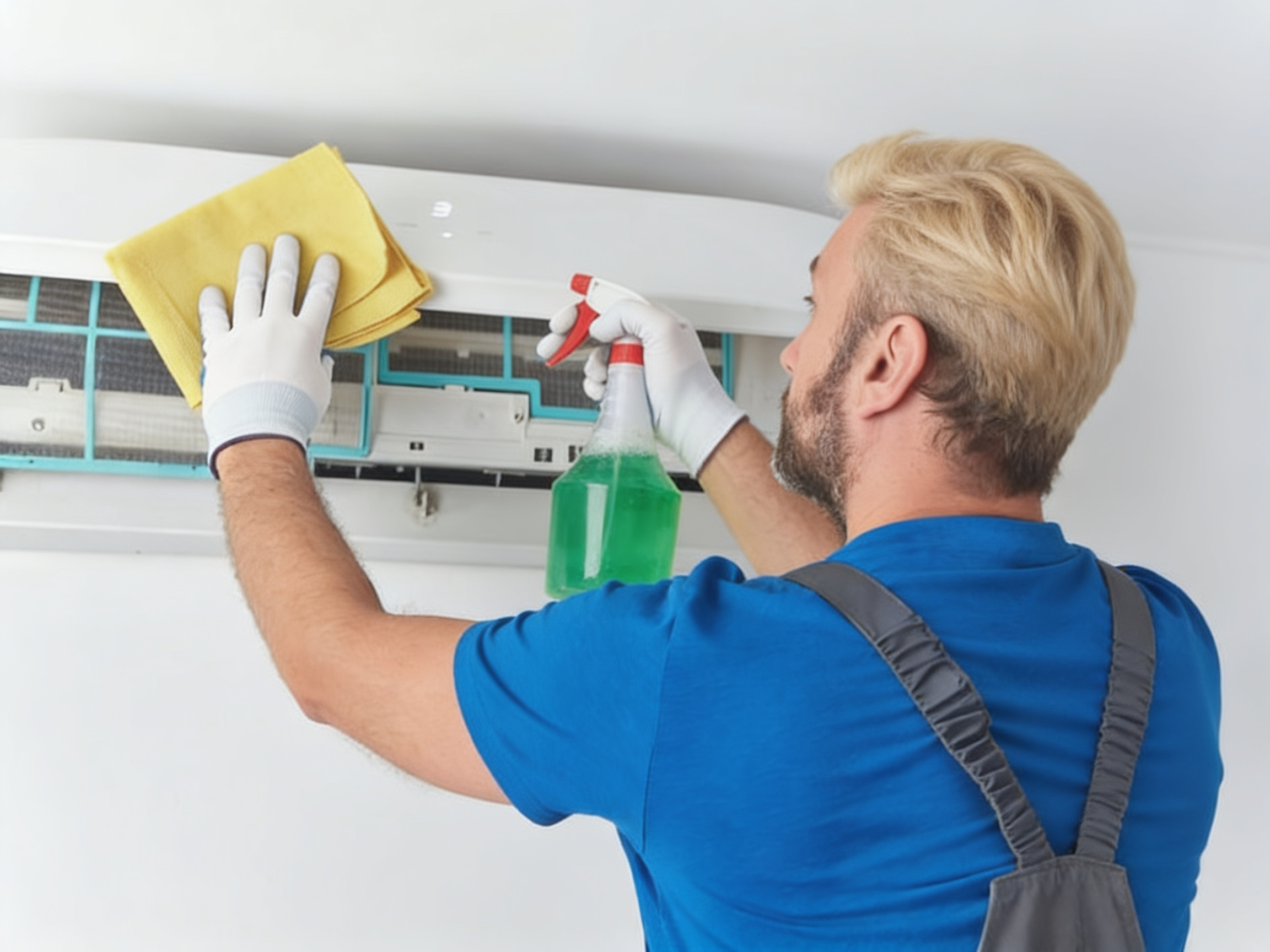
If your air conditioner is not cooling after winter in Perth, the problem may be as simple as an incorrect remote setting or dirty filter—or it could indicate restricted airflow, an electrical fault or a refrigerant issue. Dacs Air Conditioning & Electrical recommends testing your system in early spring, before Perth’s first genuinely hot days expose a hidden problem.
After months of heating or inactivity, switching your air conditioner to cooling mode is an important seasonal check. A controlled test now gives you time to arrange servicing or repairs without waiting for the summer rush.
Test your air conditioner in cooling mode during early spring. Check the remote settings, filters, vents and outdoor unit first. If the air remains warm, airflow is weak, water appears or the system makes unusual noises, arrange a professional inspection before Perth’s hotter weather arrives.
Why Can an Air Conditioner Struggle After Winter?
An air conditioner does not necessarily develop a fault simply because winter has ended. However, several issues can become noticeable when the system changes from heating to cooling.
During winter, your reverse-cycle air conditioner transfers heat into the home. In cooling mode, the process reverses. The system must remove indoor heat and release it through the outdoor unit.
A unit that worked adequately in heating mode may still have a cooling-related problem. Dust may have accumulated in the filters, leaves may be restricting the outdoor unit, a condensate drain could be blocked or a component may have deteriorated since the previous summer.
Early spring is the ideal time to uncover these problems.
Is the Air Conditioner Actually Set to Cooling Mode?
The first thing to check is the remote control.
Cooling mode is normally represented by a snowflake symbol. Heating mode generally uses a sun symbol, while fan mode circulates air without actively cooling it.
Set the system to cooling mode and select a temperature below the current room temperature. A test setting of approximately 22°C is usually sufficient—you do not need to set the unit to its lowest possible temperature.
Give the air conditioner several minutes to respond. Many systems include a short compressor delay to protect the equipment, particularly after changing modes or restoring power.
If the remote display is faint or unresponsive, replace the batteries and try again.
How Can You Test Your Air Conditioner Before Summer?
A useful spring cooling test takes around 15 to 20 minutes.
Step 1: Close the Room
Close external doors and windows so warm outside air does not interfere with the test. For a ducted system, make sure the appropriate zones are open.
Step 2: Select Cooling Mode
Look for the snowflake symbol. Set the temperature to approximately 22°C and choose a medium or high fan speed.
Step 3: Check the Airflow
After several minutes, place your hand near the indoor outlet. The airflow should feel consistently cool—not merely like room-temperature air being moved around.
Step 4: Listen to the System
Listen for rattling, grinding, repeated clicking or unusually loud operation. The system should not repeatedly start and stop during a short test.
Step 5: Inspect the Outdoor Unit
Check that the outdoor unit has space around it and is not covered by leaves, weeds or accumulated debris. Do not open the cabinet or touch electrical components.
Step 6: Look for Water or Ice
Water dripping indoors, ice forming on pipework or moisture appearing around the indoor unit can indicate a drainage, airflow or refrigerant-related problem.
If the room begins cooling normally and there are no concerning noises, smells or leaks, your system has passed a useful preliminary test. This does not replace scheduled professional servicing, but it can identify obvious problems early.
Could a Dirty Filter Stop the Air Conditioner Cooling?
A heavily clogged filter can restrict airflow and significantly reduce cooling performance.
Air needs to move freely across the indoor coil. When the filter is packed with dust, pet hair or other debris, the system has to work harder to deliver less conditioned air. This may cause weak airflow, longer operating times and higher electricity use.
Some filters can be removed and gently washed, while others need replacement. Follow the manufacturer’s instructions and allow washable filters to dry completely before reinstalling them.
Cleaning a filter can restore airflow, but it will not correct problems involving refrigerant, motors, sensors, electrical components or internal contamination.
What Is the Difference Between Weak Airflow and Warm Air?
These symptoms can point towards different parts of the system.
| What you notice | Possible explanation |
|---|---|
| Cool air with weak airflow | Dirty filter, obstructed vent, fan problem or duct restriction |
| Strong airflow that remains warm | Incorrect mode, thermostat issue, outdoor-unit fault or refrigerant problem |
| Some rooms cool but others do not | Closed zones, duct leakage, airflow imbalance or zoning fault |
| Cooling starts and then stops | Sensor issue, electrical fault, overheating or system protection |
| Ice appears on the unit or pipes | Restricted airflow or another fault requiring assessment |
| Water leaks inside | Blocked drain, damaged drain component or excessive condensation |
These are general indicators rather than a diagnosis. Several faults can produce similar symptoms, which is why persistent cooling problems should be professionally tested.
A Five-Minute Check Before You Call
Before arranging an air conditioning repair in Perth, check these five things:
- The remote is showing the snowflake symbol.
- The selected temperature is below the room temperature.
- The filter is reasonably clean and fitted correctly.
- Indoor vents are open and unobstructed.
- The outdoor unit is not blocked by leaves, weeds or stored items.
Also check whether the system has power and whether a circuit breaker has tripped. Do not repeatedly reset a breaker. If it trips again, leave the air conditioner off and contact a qualified professional.
When Does Poor Cooling Require Professional Attention?
Arrange an inspection if the air conditioner still blows warm air after the basic checks, or if cooling remains noticeably weaker than it was last summer.
Professional attention is also recommended when you notice:
- Burning or strong electrical smells
- Repeated circuit-breaker trips
- Water leaking inside the property
- Ice on the coil or refrigerant pipe
- Grinding, screeching or heavy rattling
- Frequent starting and stopping
- Error codes that return after restarting
- A significant difference between different rooms or zones
Turn the system off if there is a burning smell, visible electrical damage or repeated breaker tripping.
Refrigerant should never be treated as a routine “top-up”. An air conditioner is a sealed system. If refrigerant is low, the underlying cause needs to be identified and handled by an appropriately qualified technician.
Why Does Early-Spring Testing Matter in Perth?
Perth can move quickly from mild spring conditions to hot afternoons. A system that seems unnecessary in late August may suddenly become essential a few weeks later.
Testing early offers several advantages:
- Problems can be investigated before peak summer demand.
- There is time to compare repair and replacement options.
- Filters and airflow can be corrected before extended operation.
- Ducted zones can be checked before every room needs cooling.
- Electrical faults can be identified before the system operates under sustained load.
Early testing is especially important for older systems, heavily used commercial units, coastal properties exposed to salt air and homes where the air conditioner was unused throughout winter.
Technician’s Tip: Test Under Realistic Conditions
Do not judge cooling performance after running the system for only two minutes with doors and windows open.
Close the space, choose cooling mode and allow the system 15 to 20 minutes to settle. Note the airflow, sound and room comfort. If possible, record any error code and take photographs of visible water, ice or damage.
This information can help the Dacs team understand the symptoms before attending the property.
Should You Repair or Replace the System?
Poor cooling does not automatically mean you need a new air conditioner.
A repair may be sensible when the system is relatively young, appropriately sized and affected by an isolated fault. Replacement may deserve consideration when the unit is older, inefficient, frequently breaking down or no longer suited to the size and use of the space.
The decision should consider:
- Age and overall condition
- Repair history
- Availability of replacement parts
- Energy efficiency
- Capacity and room size
- Comfort across the property
- Estimated repair cost
- Likely remaining service life
A professional assessment provides better information than choosing solely by age or relying on a single symptom.
Prepare Your Air Conditioner Before Perth Heats Up
If your air conditioner is not cooling after winter, early spring gives you an opportunity to act before the first prolonged hot spell.
Start with the simple checks: confirm cooling mode, clean the filter, open the vents and inspect the area around the outdoor unit. If cooling remains weak or you notice leaks, ice, error codes, electrical smells or unusual noises, avoid further strain on the system.
Dacs Air Conditioning & Electrical services and repairs split, ducted and commercial air-conditioning systems throughout the Perth Metro area. Testing now can help you enter summer with a system that is ready to perform when you need it most.
Frequently Asked Questions
Why is my air conditioner blowing warm air after winter?
The unit may be set to heating or fan mode rather than cooling. Other possible causes include a dirty filter, restricted airflow, an outdoor-unit fault, a sensor problem or a refrigerant-related issue.
How long should I test my air conditioner in cooling mode?
Allow approximately 15 to 20 minutes with doors and windows closed. Select cooling mode, set the temperature below the current room temperature and monitor the airflow, sound and room comfort.
Can I clean the air conditioner filter myself?
Many residential air-conditioner filters can be removed and cleaned by the homeowner. Follow the manufacturer’s directions and make sure washable filters are completely dry before reinstalling them.
Should I turn off an air conditioner that is not cooling?
Turn it off if you notice a burning smell, repeated breaker trips, water leaking indoors, ice formation or severe mechanical noises. Persistent warm air should also be professionally investigated rather than allowing the unit to run continuously.
When should I book a pre-summer air conditioner check in Perth?
Late winter or early spring is an excellent time. It allows cooling problems to be identified before Perth’s temperatures rise and air-conditioning technicians enter their busiest period.
Whether you require installation, repair, or maintenance, our technicians will assist you with top-quality service at any time of the day or night. Take comfort in knowing your indoor air quality is the best it can be with MOE heating & cooling services Ontario's solution for heating, air conditioning, and ventilation that’s cooler than the rest.
Contact us to schedule a visit. Our qualified team of technicians, are always ready to help you and guide you for heating and cooling issues. Weather you want to replace an old furnace or install a brand new air conditioner, we are here to help you. Our main office is at Kitchener but we can service most of Ontario's cities
Source link