If you are hunting for AC repair in San Jose at 4pm on a day when the Bay breeze clocked out and the valley is baking your house like a forgotten casserole, you have a specific problem. Your thermostat reads 82 and climbing, and your air conditioner is making a sound somewhere between a dying blender and a coffee can full of bolts.
What you are not looking for is a guy in a freshly ironed polo to sit at your kitchen table and sell you a whole new system before he has touched a single screw. You want someone who finds out exactly what is wrong and fixes it so it stays fixed.
That is the job. Honest AC repair in San Jose means diagnosing, not guessing. Here is how we actually figure out what broke, why we refuse to play the guessing game, and what that discipline does for your comfort and your bank account.
The Wide, Narrow, Wide Approach
When an amateur shows up to a dead air conditioner, the first thing they do is stick their head in the outdoor unit and start yanking wires. They want to find a broken part fast so they can sell it to you and get to lunch. We work differently. We call it wide, narrow, wide.
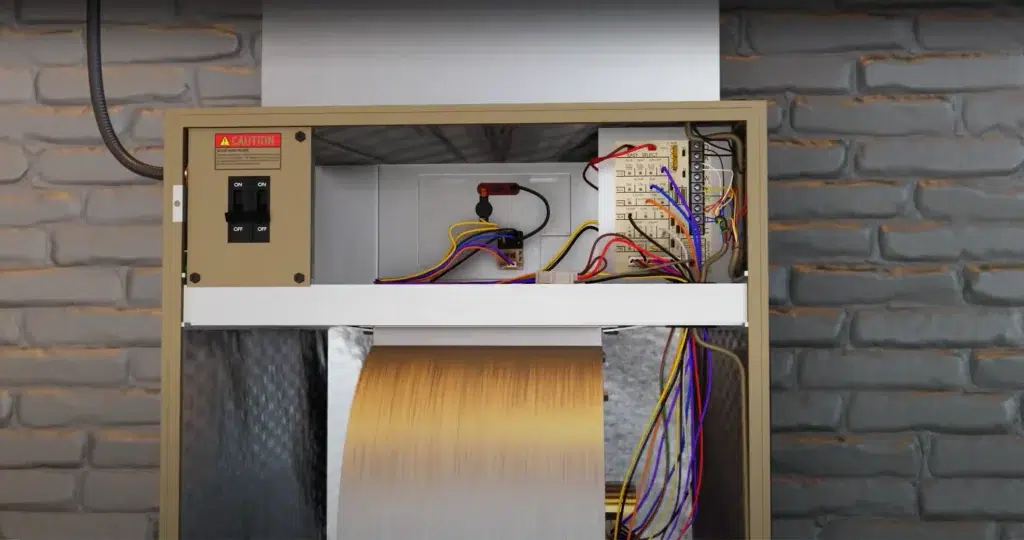
We start wide. Before a tool comes out of the bag, we look at the whole picture. We ask you how it has been cooling, what changed, what noise you heard and when. We walk the house, check where the thermostat is mounted, look at the return vents, and scan for the obvious stuff like a filter that has not been changed since the Obama administration. Your house and your ductwork are part of the system, so we read the whole scene before we zero in.
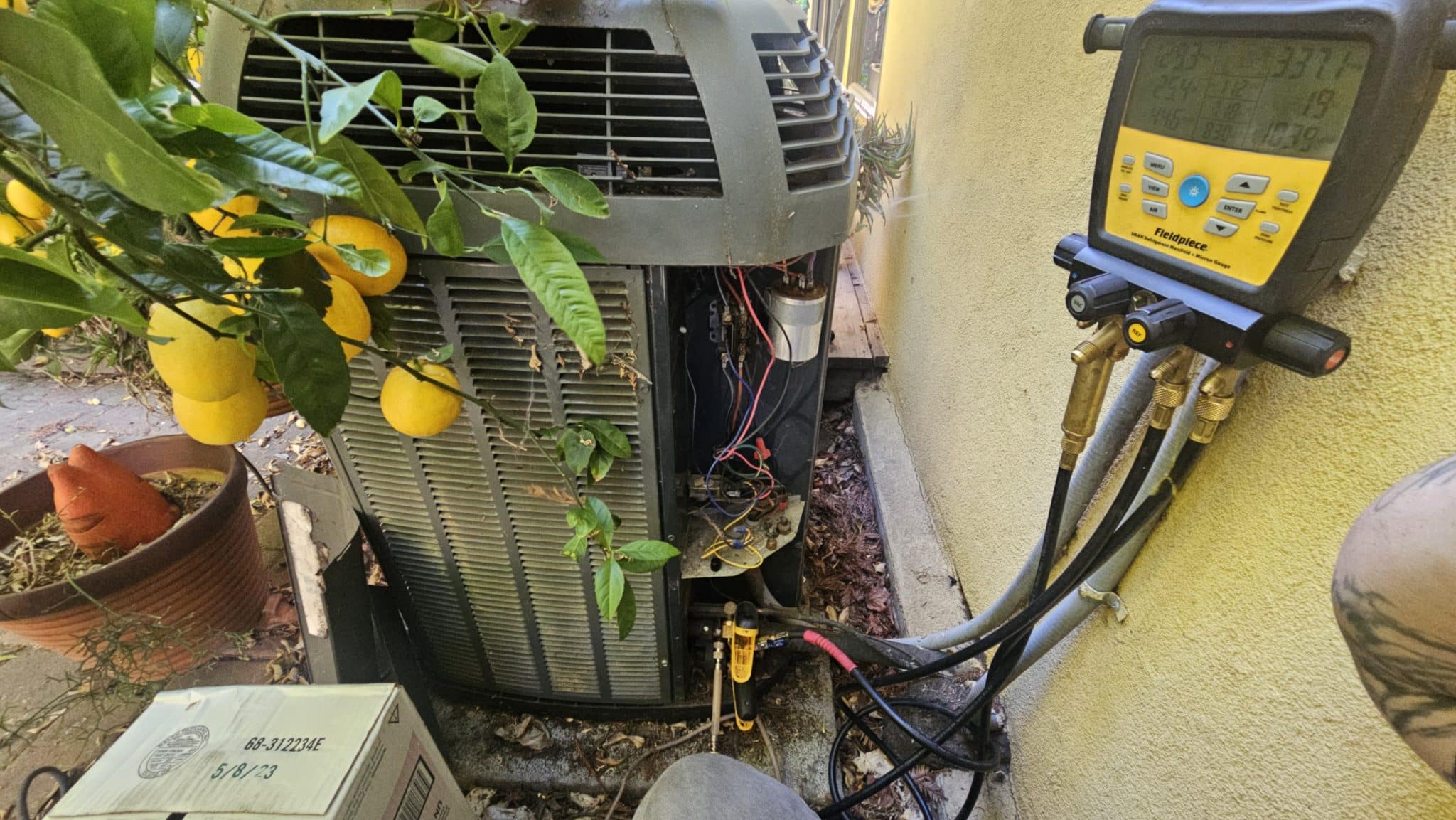
Then we go narrow. Gauges hook up, electrical readings come off the meter, and we lock onto the exact component that failed. The precise voltage drop. The exact loss of refrigerant pressure. No vibes, just numbers.
Think of it like your doctor and a blood pressure cuff. Two numbers, a high one and a low one, and from those alone a good doctor can tell whether your heart is working too hard, whether something is clogged, whether you are about to have a bad day. Your air conditioner has its own blood pressure. We read the high side and the low side, the temperatures, the amp draw, and that handful of numbers tells us whether the system is healthy, overworked, or quietly dying. Reading the vitals and knowing what they mean is the difference between a diagnosis and a guess.
Once we find the problem and fix it, we go wide again. We step back and watch the entire system run as one machine. We confirm the repair held and that nothing else is limping along behind it. We want proof the unit is ready to take a brutal South Bay afternoon tomorrow before we ever pack up and leave.
What A Healthy AC Looks Like By The Numbers
One of those vitals is the temperature split, the difference between the warm air going into your system and the cool air coming out. A healthy split usually lands between 16 and 22 degrees. Too small and the system may be low on refrigerant or starved for airflow. Too big and you likely have an airflow restriction choking it down. We measure it on every call, because the number tells the truth even when the symptoms are confusing.
We Find What Killed It, Not Just What Broke
There is a phrase in this trade we use like a four letter word. Parts changer. A parts changer is someone who never learned the thermodynamics or the electrical theory, so when they meet a broken system they just start swapping things and hoping. Capacitor first. Then the contactor. Then the fan motor. They keep bolting in new parts and billing you until the thing sputters back to life, and they walk away with no idea what fixed it or why it died. You paid for a science experiment.
We do not do that. We find the root cause. If your blower motor cooked itself, we are not going to slap in a new one, hand you an invoice, and wish you luck. We are going to measure your static pressure and find out whether an undersized return duct has been strangling that motor to death for years. Find the part that failed, then find what killed it, so we kill the disease instead of treating the symptom and seeing you again in August.
The difference
A Parts Changer Versus A Real Diagnosis
| A parts changer | Silicon Valley Comfort |
|---|---|
| Guesses, then swaps parts and hopes | Proves the failure on a meter first |
| Bills you for every wrong guess | One accurate diagnosis, one bill |
| Tops off refrigerant, ignores the leak | Finds the leak and fixes it |
| Calls a hot compressor dead on the spot | Lets the overload reset, then retests |
| You see them again next month | Fewer callbacks, fixed for good |
We Prove It Before We Condemn It
Let us talk about the compressor, the most expensive single part in your system and the one that gets wrongly sentenced to death every single summer.
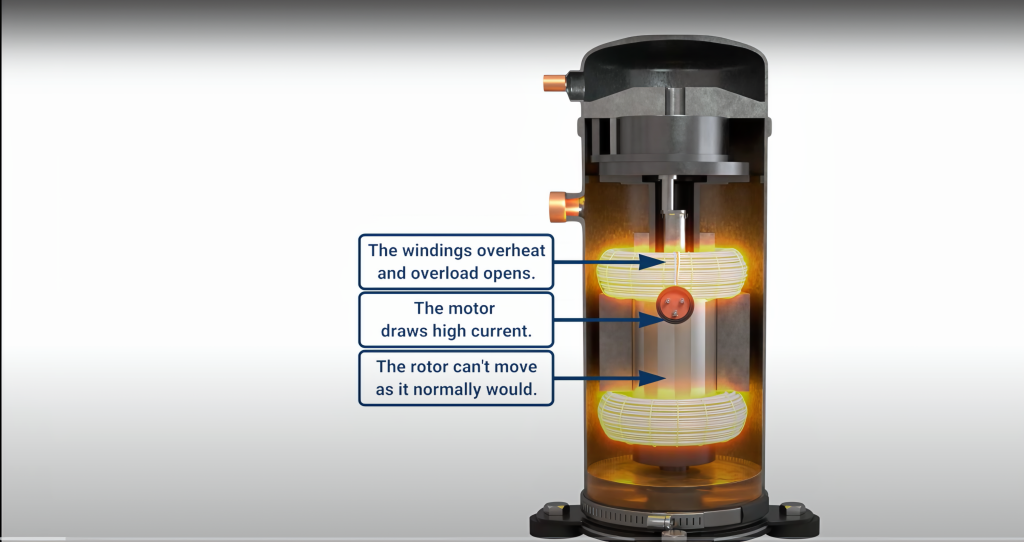
Here is the classic blunder. A tech finds a compressor that will not run, lays a hand on top of it, feels that it is screaming hot, and announces it is dead. New unit, ma’am, sorry for your loss. Except compressors have an internal overload switch built in specifically to shut them down when they overheat, so they do not destroy themselves. Hot usually means the system is low on refrigerant or the outdoor coil is packed with cottonwood and dog hair. A real tech cools it down, lets that overload reset, and runs it again to find the actual problem instead of writing an obituary.
What if the compressor is tripping your breaker? A parts changer quotes you a new condenser on the spot. We use isolation diagnosis, which is a fancy way of saying we form a theory and then prove it. We disconnect the wiring straight off the compressor, tape off the leads, and flip the power back on. If the breaker holds and the fan spins happily, we have proven with electricity that the compressor is the problem. We prove it with a meter and a little math before we ever ask you to open your wallet.
Checking The Basics To Stop The Freeze
If your air conditioner turns into a block of ice, something is genuinely wrong, and it is almost never what people assume. The old wives’ tale says a frozen coil just needs a splash of refrigerant. Low charge can eventually cause freezing, sure, but a full glacier on your indoor coil is almost always an airflow problem.
Here is the part that breaks people’s brains. An air conditioner does not make cold. It moves heat out of your house. If you choke off the warm air flowing across the indoor coil, the refrigerant has no heat to absorb, the coil drops below freezing, and the moisture in your air freezes right onto it. Now you have an ice sculpture where your cooling used to be.
So we check the basics first, every time. Filthy filter. Caked evaporator coil. A blower motor on its last legs. And if you have a zoned system with dampers, the culprit might be a bypass duct dumping cold air straight back into the return, sending freezing air right back over an already freezing coil. That is the kind of hidden gremlin that causes a system to ice up, thaw, and ice up again while three other companies shrug. We find it by measuring the temperature and pressure across your system. We test. We do not guess.
Common AC Problems In San Jose And What They Mean
Most AC repair in San Jose starts with one of a handful of symptoms. Here is how we read them, so you walk in knowing roughly what we are going to check before we even open the panel.
Read the symptom
Common AC Symptoms And What We Check First
| Symptom | Likely cause | What we check first |
|---|---|---|
| AC not cooling | Low charge, dirty condenser, failed capacitor | Capacitor microfarads, condenser coil, temperature split |
| AC freezing up | Restricted airflow, dirty filter, low charge | Filter, blower amp draw, static pressure, refrigerant |
| AC short cycling | Oversized system, tripping safety, bad thermostat | Runtime, float switch, thermostat placement |
| Warm air from the vents | Refrigerant leak, compressor fault, duct loss | Subcool and superheat, compressor amps, duct leakage |
| High energy bills | Low charge, dirty coils, leaky ducts | Charge weigh-in, coil condition, static pressure |
What Honest AC Repair In San Jose Looks Like For You
You might be wondering why you should care how we hunt down a bad wire or a frozen coil. Fair question. You should care because honest AC repair in San Jose lands directly in your bank account and your sanity.
When the job is done right, you stop getting callbacks. You get an honest, accurate answer the first time. You never pay for a parade of replacement parts that some guy threw at the wall to see what stuck. And when we dial in your airflow and get the refrigerant charge exactly where the factory wants it, the system runs leaner and your utility bill drops, which matters a lot when PG and E peak rate windows are doing their best to empty your checking account every afternoon. The U.S. Department of Energy makes the same point about regular air conditioner maintenance, and every repair we make keeps you square with California Title 24 efficiency rules too.
We bring real technical depth to every job. We find the problem, we prove we found it, and we leave you cold, comfortable, and not thinking about your air conditioner at all. That is what AC repair in San Jose should feel like, and it is the whole point.
San Jose AC Repair FAQ
Why is my AC not cooling?
A dozen things can cause it, but the usual suspects are a failed capacitor, a dirty outdoor condenser coil, a clogged filter, or a refrigerant leak. We never just top it off and run. We check airflow, measure the electrical side, and read the actual temperature split to find the real failure before we touch your charge.
Why does my AC freeze up?
Your indoor coil dropped below 32 degrees, and that is almost always an airflow problem, not a refrigerant problem. A clogged filter, a dying blower motor, or undersized return ducts starve the coil of warm air. The moisture in your house then hits that frozen coil and turns to solid ice, which only makes the airflow worse and the freeze faster.
Why does my AC keep turning on and off?
That is called short cycling. It happens when a system is oversized for the house and cools too fast to pull out any humidity, or when a safety switch keeps tripping, like a float switch on a clogged drain line or a motor shutting down on overheat. Either way it wears the equipment out years early and spikes your bill.
How do I know if an HVAC contractor is honest?
An honest contractor proves the diagnosis. If they say the compressor is dead, they should show you the failure on a meter. If they say you are low on refrigerant, they should be offering to find the leak, not just refilling a system that will leak right back out. For AC repair in San Jose, trust the tech who explains the science behind the failure instead of the one who just hands you a number.
What is a healthy AC temperature split?
The temperature split is the difference between the warm return air going into your system and the cool supply air coming out. A healthy split usually lands between 16 and 22 degrees. A split that is too small often means low refrigerant or poor airflow, and a split that is too large usually points to an airflow restriction. We measure it on every visit.
Whether you require installation, repair, or maintenance, our technicians will assist you with top-quality service at any time of the day or night. Take comfort in knowing your indoor air quality is the best it can be with MOE heating & cooling services Ontario's solution for heating, air conditioning, and ventilation that’s cooler than the rest.
Contact us to schedule a visit. Our qualified team of technicians, are always ready to help you and guide you for heating and cooling issues. Weather you want to replace an old furnace or install a brand new air conditioner, we are here to help you. Our main office is at Kitchener but we can service most of Ontario's cities
Source link