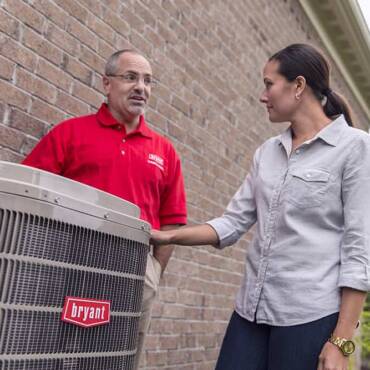

During Perth heatwaves, air conditioners often struggle because they’re working beyond normal design conditions. Extreme outdoor temperatures, poor airflow, incorrect system sizing, and lack of servicing all reduce cooling performance. In most cases, targeted maintenance or system optimisation restores proper cooling without full replacement. Dacs Air Conditioning regularly sees these issues across Perth homes during peak summer.
Why Perth Heatwaves Are Tough on Air Conditioners
Dacs Air Conditioning has spent years working with Perth homeowners through some of Western Australia’s hottest summers, and one question comes up every heatwave without fail: why is the air conditioner running but not cooling properly? When temperatures climb into the high 30s and beyond, air conditioning systems are pushed to their limits. This article explains why air conditioner not cooling Perth searches spike during heatwaves, what’s actually happening inside your system, and which fixes genuinely work in local conditions. The aim is clarity, not alarm, so you can make informed decisions with confidence.
Why Perth Heatwaves Are Tough on Air Conditioners
Perth’s dry heat places a unique load on air conditioning systems. Most residential units are designed to perform efficiently up to certain outdoor temperatures, commonly around the mid-30s. When heatwaves push beyond that, systems must work longer and harder just to maintain indoor comfort. In practice, this means longer run times, higher energy draw, and reduced cooling output. This doesn’t necessarily indicate a fault. It’s often a performance limitation under extreme conditions rather than a breakdown.
Restricted Airflow Is Often the Real Culprit
One of the most commonly overlooked causes of poor cooling during heatwaves is restricted airflow. Dirty filters, clogged outdoor coils, or blocked vents reduce the system’s ability to move heat out of the home. When airflow drops, cooling capacity drops with it. In Perth homes, dust buildup is a frequent issue, especially after windy periods. Regular cleaning and servicing can dramatically improve performance, even during peak heat.
System Size Matters More Than Most People Realise
An air conditioner that’s slightly undersized may cope for most of the year but struggle badly during heatwaves. In Perth, we often see systems installed based on room size alone, without factoring in insulation quality, ceiling height, window exposure, or sun direction. During extreme heat, those variables matter. An undersized unit will run constantly without ever quite catching up, leading to the impression that it has “stopped cooling” when it’s actually maxed out.
Thermostat Settings and Expectations During Extreme Heat
During heatwaves, many people set thermostats very low hoping for faster cooling. In reality, setting a unit to 18°C won’t cool the space faster than setting it to 24°C. It simply tells the system to run continuously. In extreme Perth heat, realistic expectations are important. A well-performing system may only maintain indoor temperatures 8–10 degrees cooler than outside during peak conditions. That’s still effective cooling, even if it feels less dramatic than usual.
Electrical and Refrigerant Issues Can Appear Under Stress
Heatwaves can expose underlying issues that aren’t noticeable in milder weather. Weak capacitors, aging compressors, or low refrigerant levels may only show symptoms when the system is under sustained load. These problems often present as inconsistent cooling or warm airflow during the hottest part of the day. This is where professional diagnosis matters, as topping up refrigerant or replacing a failing component can restore full performance.
What Actually Fixes the Problem in Most Perth Homes
In practice, most “air conditioner not cooling Perth” cases don’t require replacement. A thorough service, airflow optimisation, coil cleaning, and system assessment resolve the issue more often than not. In some homes, zoning adjustments or upgrading insulation provides noticeable improvement. Replacement is usually only recommended when systems are significantly undersized, near end-of-life, or repeatedly failing under normal conditions.
When Replacement Is the Smarter Long-Term Option
There are cases where replacement makes sense, particularly if a system is over 10–15 years old and struggling every summer. Modern units are more efficient and better suited to Perth’s climate. However, replacement should be a considered decision based on performance data, not frustration during a heatwave. A proper assessment prevents unnecessary expense and ensures the new system is correctly matched to the home.
Why Local Experience Makes a Difference
Perth conditions aren’t generic, and solutions that work elsewhere don’t always translate well here. Dacs Air Conditioning works with local housing styles, insulation standards, and climate realities every day. That local experience allows for practical advice that considers both immediate comfort and long-term efficiency, especially during extreme weather events.
FAQs
Why does my air conditioner work at night but not during the day?
Daytime heat places far greater load on the system. Cooler night temperatures reduce outdoor strain, allowing normal operation to resume.
Is it normal for air conditioners to struggle above 40°C?
Yes. Most residential systems experience reduced efficiency at extreme outdoor temperatures.
Will servicing really improve cooling during a heatwave?
In many cases, yes. Cleaning and airflow improvements often restore lost performance.
Should I turn my air conditioner off during extreme heat?
No. Turning it off can allow heat to build up indoors, making recovery harder later.
How do I know if my system is undersized?
Frequent inability to maintain temperature during hot days is a common indicator, but a professional assessment is required to confirm.
{
“@context”: “https://schema.org”,
“@type”: “FAQPage”,
“datePublished”: “2025-12-22T07:00:00+08:00”,
“mainEntity”: [
{
“@type”: “Question”,
“name”: “Why does my air conditioner work at night but not during the day?”,
“acceptedAnswer”: {
“@type”: “Answer”,
“text”: “Higher daytime temperatures place greater load on air conditioning systems, reducing efficiency compared to cooler night conditions.”
}
},
{
“@type”: “Question”,
“name”: “Is it normal for air conditioners to struggle above 40°C?”,
“acceptedAnswer”: {
“@type”: “Answer”,
“text”: “Yes. Most residential systems experience reduced performance at extreme outdoor temperatures.”
}
},
{
“@type”: “Question”,
“name”: “Will servicing really improve cooling during a heatwave?”,
“acceptedAnswer”: {
“@type”: “Answer”,
“text”: “In many cases, professional servicing improves airflow and efficiency, restoring cooling performance.”
}
},
{
“@type”: “Question”,
“name”: “Should I turn my air conditioner off during extreme heat?”,
“acceptedAnswer”: {
“@type”: “Answer”,
“text”: “Turning systems off can allow indoor heat buildup, making cooling recovery more difficult.”
}
},
{
“@type”: “Question”,
“name”: “How do I know if my system is undersized?”,
“acceptedAnswer”: {
“@type”: “Answer”,
“text”: “Consistent inability to maintain temperature during hot weather may indicate undersizing, but professional assessment is required.”
}
}
]
}
Whether you require installation, repair, or maintenance, our technicians will assist you with top-quality service at any time of the day or night. Take comfort in knowing your indoor air quality is the best it can be with MOE heating & cooling services Ontario's solution for heating, air conditioning, and ventilation that’s cooler than the rest.
Contact us to schedule a visit. Our qualified team of technicians, are always ready to help you and guide you for heating and cooling issues. Weather you want to replace an old furnace or install a brand new air conditioner, we are here to help you. Our main office is at Kitchener but we can service most of Ontario's cities
Source link